
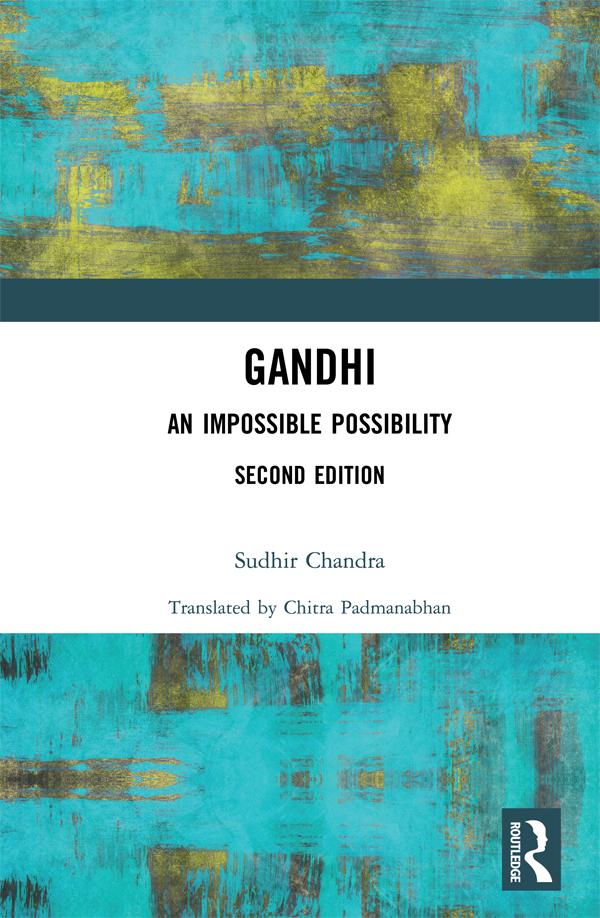
Gandhi was perhaps the most influential yet misunderstood figure of the twentieth century. Drawing close attention to his last years, this book explores the marked change in his understanding of the acceptance of non-violence by Indians. It points to a startling discovery Gandhi made in the years preceding India’s Independence and Partition: the struggle for freedom which he had all along believed to be non-violent was in fact not so. He realised that there was a causal relationship between the path of illusory ahimsa, which had held sway during the freedom struggle, and the violence that erupted thereafter during Partition.
In the second edition of this much-acclaimed volume, Chandra revisits Gandhi’s philosophy to explain how and why the phenomenon of the Mahatma has been understood and misunderstood through the years. Calling for a rethink of the very nature and foundation of modern India, this book throws new light on Gandhian philosophy and its far-reaching implications for the world today. It will interest not only scholars and researchers of modern Indian history, politics and philosophy, but also lay readers.
Paga fácilmente con tarjeta, Klarna, Apple Pay o Google Pay. ¿No estás contento? Siempre tienes 14 días de garantía de devolución. Lee más en nuestros términos. Si tienes preguntas, escríbenos a hello@memmo.org.
Memmo hace que estudiar sea más fácil, estés donde estés. Aquí tienes tus libros de texto y herramientas de estudio inteligentes en un solo lugar: resúmenes, quizzes, podcasts y flashcards. Y también a Ted, tu compañero de estudio que responde a todo lo que te preguntes. Más de 50 000 estudiantes ya estudian aquí. Está hecho para que aprendas más rápido y te estreses menos.