
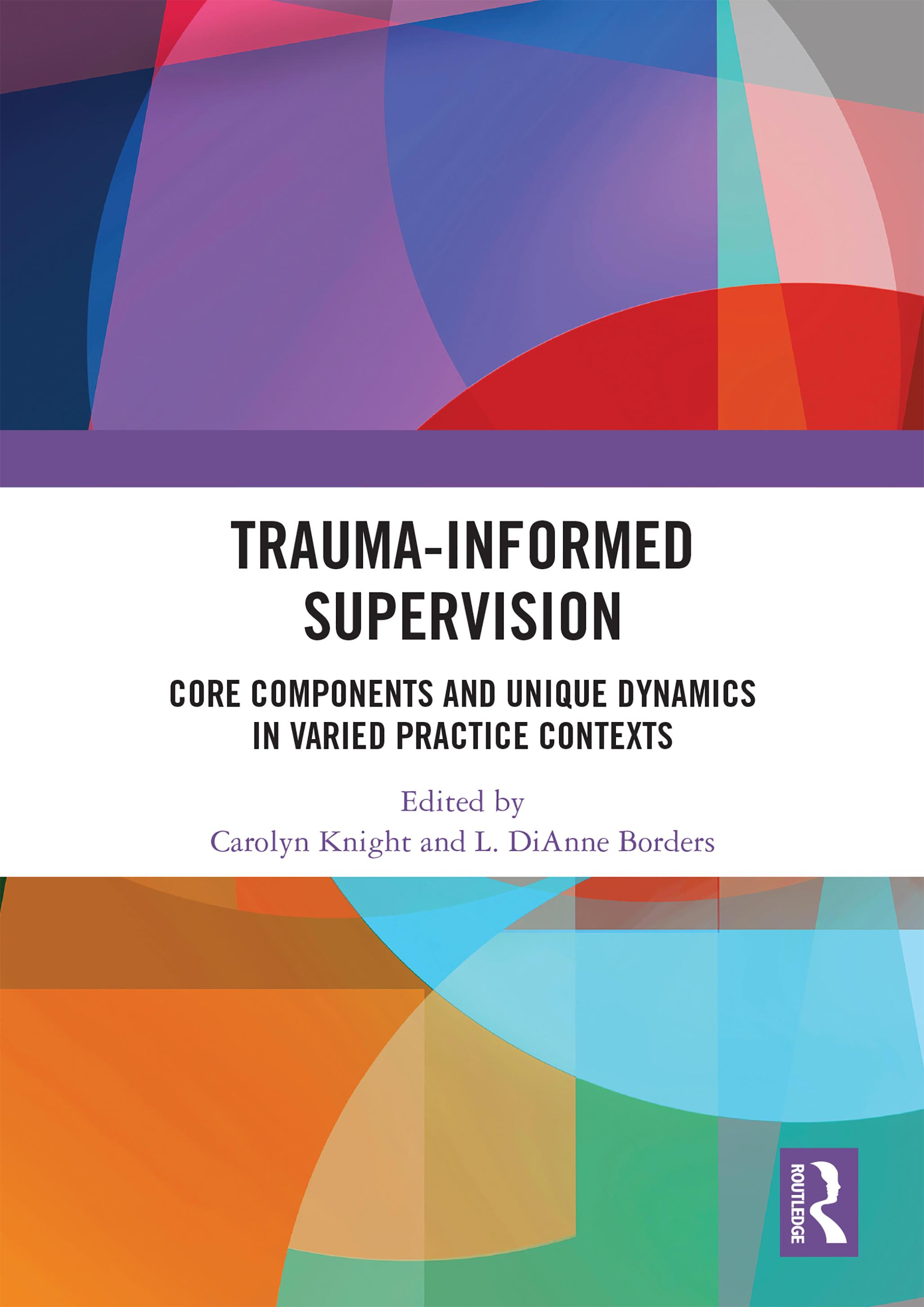
Survivors of trauma are disproportionately represented in agencies providing a broad range of behavioral, social, and mental health services. Practitioners in these settings must understand and be able to respond to survivors of trauma in ways that are empowering, normalize and validate their experiences and reactions, and minimize the risk of retraumatization. Practitioners also will be indirectly traumatized as a result of their work with trauma survivors.
Practitioners’ ability to help clients with histories of trauma depends upon clinical supervision that is trauma-informed. The trauma-informed supervisor has the dual responsibility of enhancing supervisees’ skills as trauma-informed practitioners and helping them manage the impact their work has on them.
Nevertheless, many clinical supervisors only have limited knowledge and training in trauma and may not recognize either the needs of those whom they supervise or the clients their supervisees serve. This book compiles important recommendations from trauma-informed practitioners, supervisors, and researchers who share their professional reflections and personal stories based on their hands-on experiences across mental health and medical contexts.
This book was originally published as a special issue of The Clinical Supervisor.
Paga fácilmente con tarjeta, Klarna, Apple Pay o Google Pay. ¿No estás contento? Siempre tienes 14 días de garantía de devolución. Lee más en nuestros términos. Si tienes preguntas, escríbenos a hello@memmo.org.
Memmo hace que estudiar sea más fácil, estés donde estés. Aquí tienes tus libros de texto y herramientas de estudio inteligentes en un solo lugar: resúmenes, quizzes, podcasts y flashcards. Y también a Ted, tu compañero de estudio que responde a todo lo que te preguntes. Más de 50 000 estudiantes ya estudian aquí. Está hecho para que aprendas más rápido y te estreses menos.