
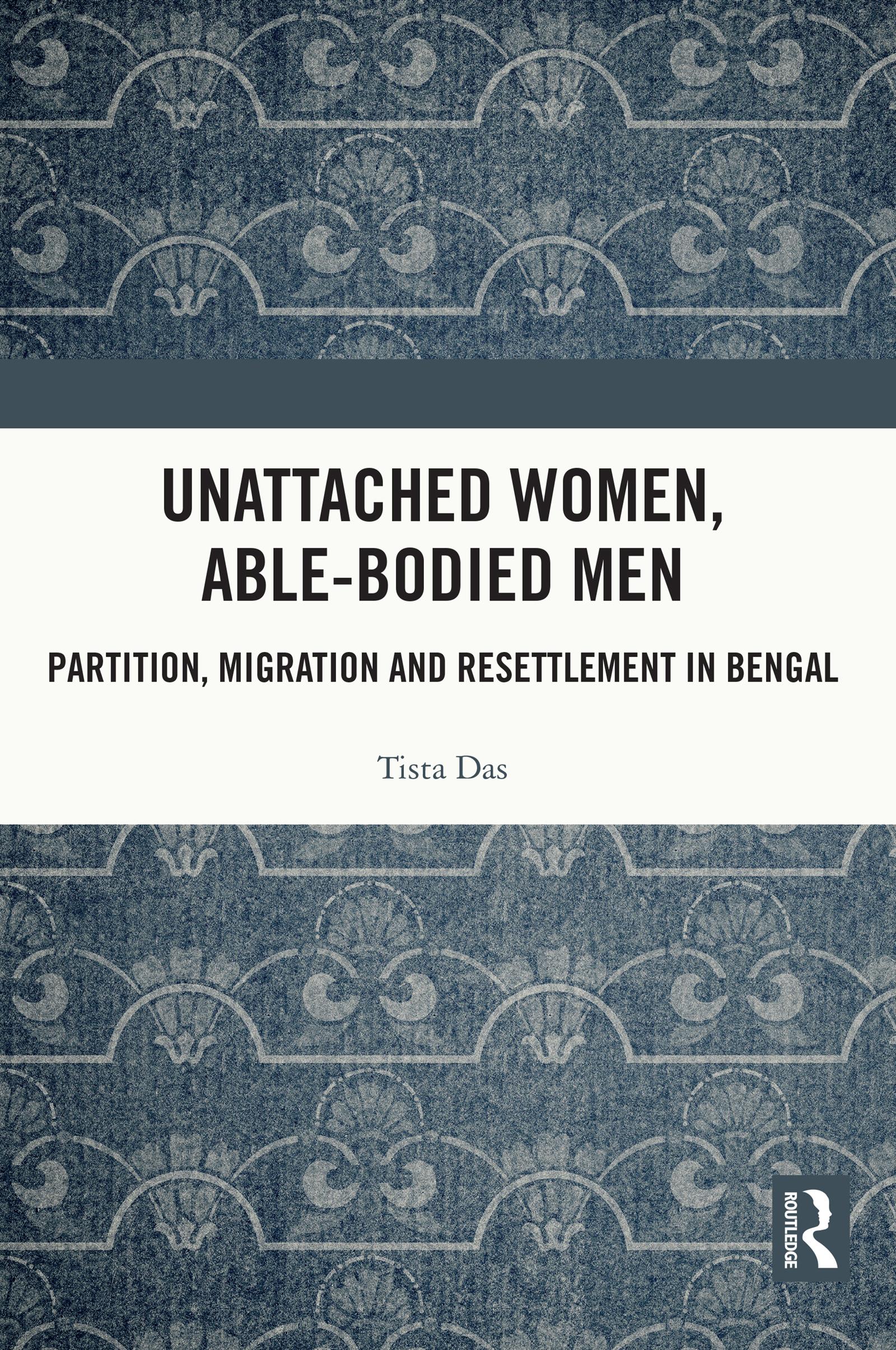
This book is one of the few gendered histories of the Partition experience in Bengal. Tracing the afterlife of the Partition in Bengal through the gendered experience of displacement and resettlement, it analyses the spatial reconfigurations that were brought about.
Drawing heavily on police records, private papers, newspapers and memoirs, this work enters the realm of personal time in the lives of the migrant and refugee and follows them to see how the spaces that they inhabited, the city of Calcutta and its suburbs, were transformed to accommodate them and imposed with new meanings and one might say, new borders. It highlights how ‘fear’ came to be the dominant emotion associated with the migrants’ flight, how it was subsequently politicized and how it became the cornerstone of the refugees’ bargaining with the state. Furthermore, it focuses on how the state, in its attempt to become a charitable institution, put in place a gendered structure of relief and later, rehabilitation. This work also shows how camps and colonies became the sites of political contestation, how the refugees found a brand of Leftist politics particularly useful for their purpose and how it became the cornerstone of their newfound identity.
A major intervention in Partition studies, the volume will be of great interest to scholars and researchers of South Asian history, migration and diaspora studies, gender studies and politics.
Paga fácilmente con tarjeta, Klarna, Apple Pay o Google Pay. ¿No estás contento? Siempre tienes 14 días de garantía de devolución. Lee más en nuestros términos. Si tienes preguntas, escríbenos a hello@memmo.org.
Memmo hace que estudiar sea más fácil, estés donde estés. Aquí tienes tus libros de texto y herramientas de estudio inteligentes en un solo lugar: resúmenes, quizzes, podcasts y flashcards. Y también a Ted, tu compañero de estudio que responde a todo lo que te preguntes. Más de 50 000 estudiantes ya estudian aquí. Está hecho para que aprendas más rápido y te estreses menos.