
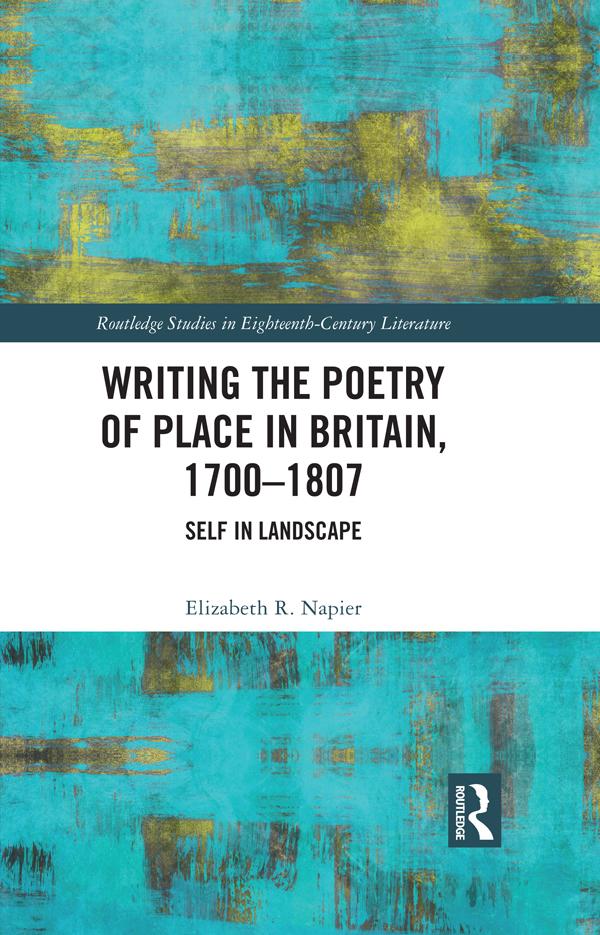
This book discusses the intrusion, often inadvertent, of personal voice into the poetry of landscape in Britain, 1700– 1807. It argues that strong conventions, such as those that inhere in topographical verse of the period, invite original poets to overstep those bounds while also shielding them from the repercussions of self-expression. Working under cover of convention in this manner and because for many of these poets place is tied in significant ways to personal history, poets of place may launch unexpected explorations into memory, personhood, and the workings of consciousness. This book thus supplements past, largely political, readings of landscape poetry, turning to questions of self-articulation and self-expression in order to argue that the autobiographical impulse is a distinctive and innovative feature of much great eighteenth-century poetry of place. Among the poets under examination are Pope, Thomson, Duck, Gray, Goldsmith, Crabbe, Cowper, Smith, and Wordsworth.
Paga fácilmente con tarjeta, Klarna, Apple Pay o Google Pay. ¿No estás contento? Siempre tienes 14 días de garantía de devolución. Lee más en nuestros términos. Si tienes preguntas, escríbenos a hello@memmo.org.
Memmo hace que estudiar sea más fácil, estés donde estés. Aquí tienes tus libros de texto y herramientas de estudio inteligentes en un solo lugar: resúmenes, quizzes, podcasts y flashcards. Y también a Ted, tu compañero de estudio que responde a todo lo que te preguntes. Más de 50 000 estudiantes ya estudian aquí. Está hecho para que aprendas más rápido y te estreses menos.