
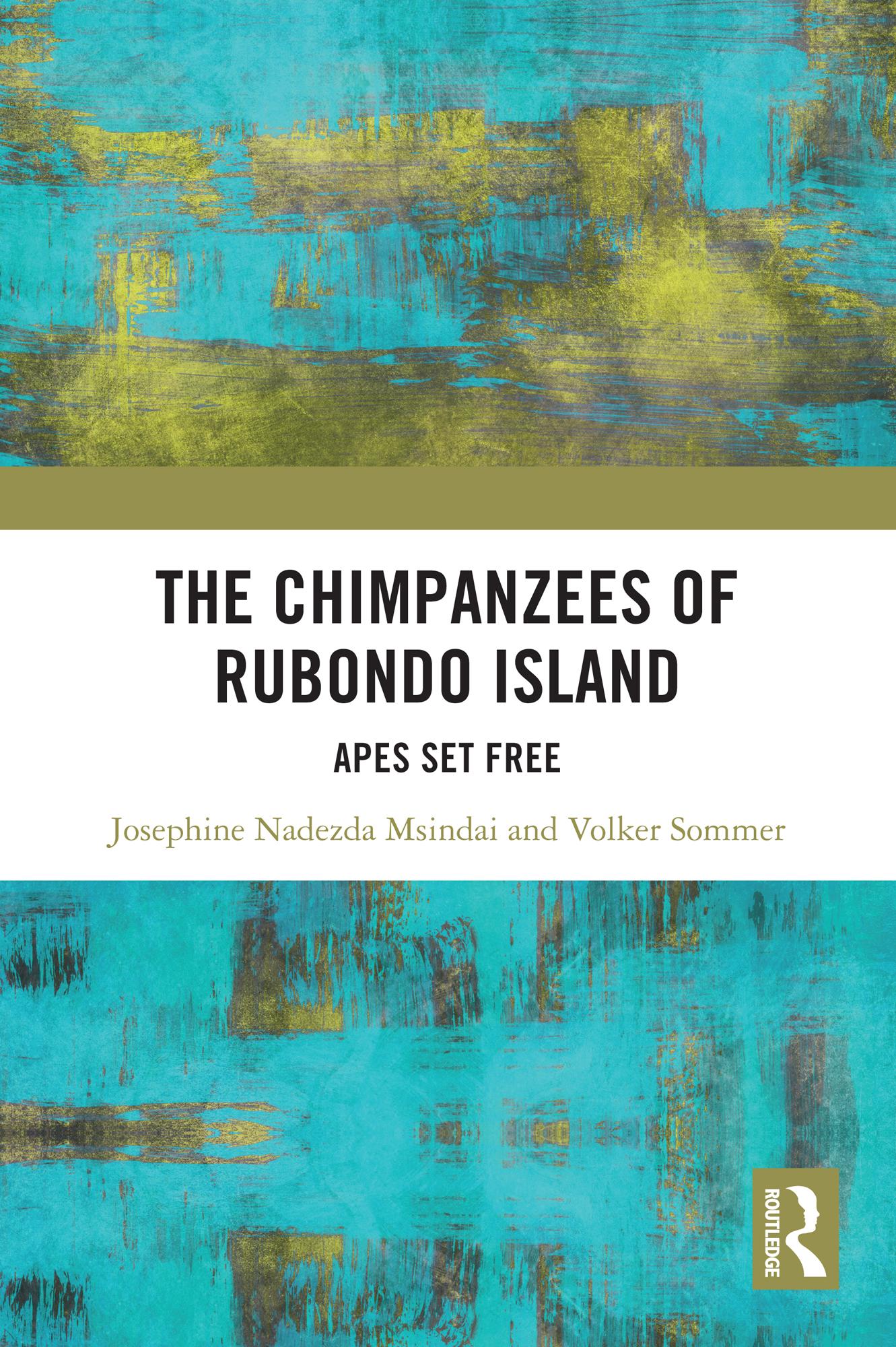
How did a random batch of chimpanzees come to populate a small island in Tanzania where apes had never lived before? Combining information gathered from fieldwork, laboratory and archival research, this book tells the unique story of chimpanzee babies taken from their forest homes in West-Central Africa and sold to European zoos and circuses, to then be shipped to Lake Victoria and set free on Rubondo Island. These founder animals learnt what to eat, how to build nests, to breed and raise young – ultimately forming a chimpanzee-typical fission–fusion society that today is thriving. The authors compare the ecology, behaviour and genetics of the Rubondo population with communities of wild chimpanzees, providing exciting insights into how our closest relatives adjust to changing environments. At the same time, a reconstruction of the historical context of the Rubondo experiment reflects on its chequered colonial heritage, and the introduction is viewed against current threats to the survival of apes in their natural habitats. The book will be of interest to scholars and professionals working in primatology, animal behaviour, conservation biology and postcolonial studies.
Paga fácilmente con tarjeta, Klarna, Apple Pay o Google Pay. ¿No estás contento? Siempre tienes 14 días de garantía de devolución. Lee más en nuestros términos. Si tienes preguntas, escríbenos a hello@memmo.org.
Memmo hace que estudiar sea más fácil, estés donde estés. Aquí tienes tus libros de texto y herramientas de estudio inteligentes en un solo lugar: resúmenes, quizzes, podcasts y flashcards. Y también a Ted, tu compañero de estudio que responde a todo lo que te preguntes. Más de 50 000 estudiantes ya estudian aquí. Está hecho para que aprendas más rápido y te estreses menos.