
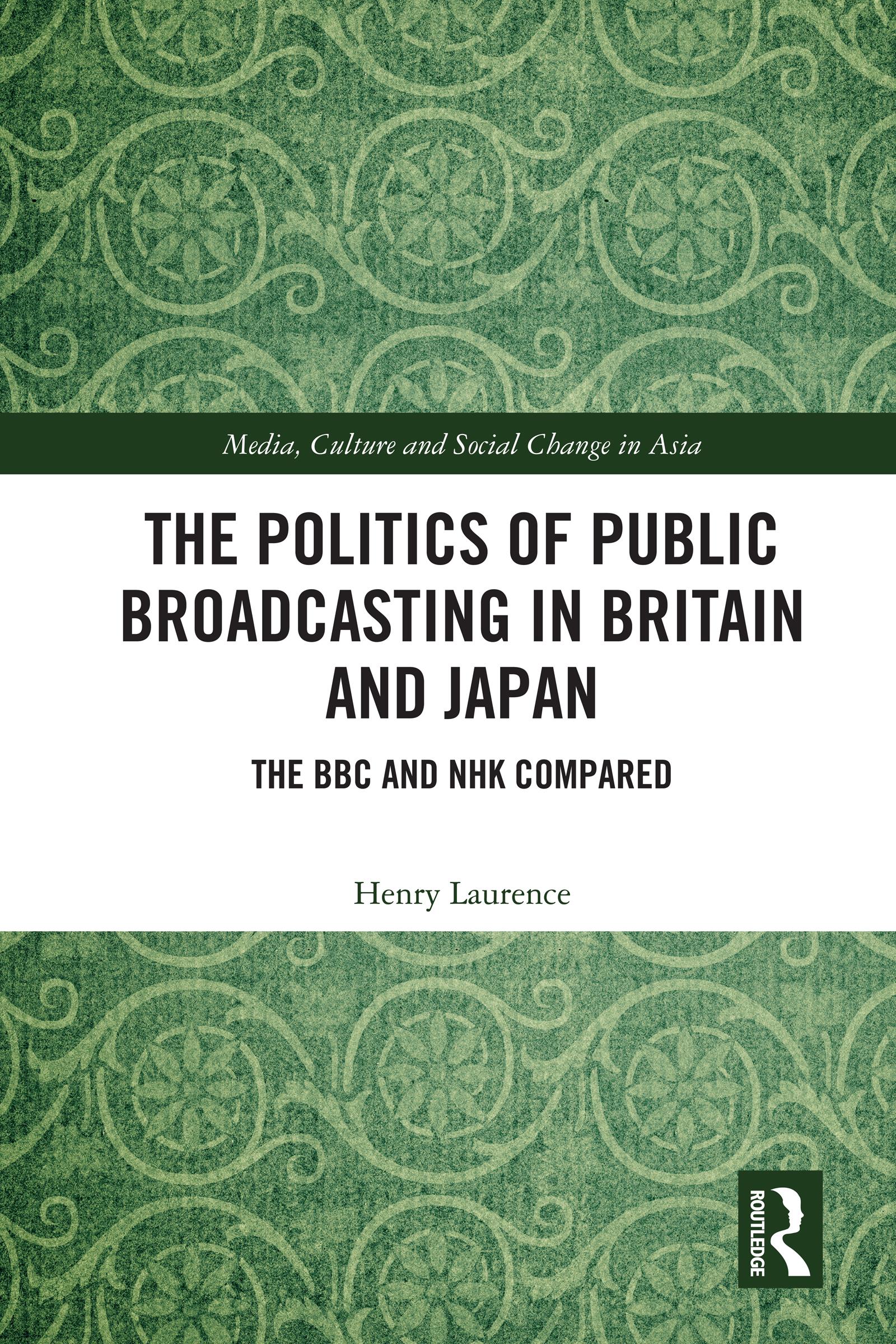
The BBC and NHK have dominated their national media systems since the 1920s and still play a central role in shaping political, social and cultural life. Both are highly trusted news organizations, and vitally influence national identity. Yet despite remarkably similar organizational and funding structures, they differ in their editorial autonomy, relationship to the state, and in the social and cultural roles they play. While the BBC, proud of its independence, acts as a watchdog on the powerful, NHK prefers a guide dog role cooperating with rather than confronting political elites. The BBC is also more willing to challenge prevailing social norms, often serving as an agent of social change. NHK prefers to avoid controversy, serving as an agent of social stability.
The book argues that these differences were shaped by decades of conflict and cooperation between broadcasters, governments, commercial media, interest groups and audiences. The broadcasters adopted distinctive editorial strategies to retain public support and elite approval in the face of technological upheaval, hostility from commercial rivals, and continuous political interference. Both, however, continue to uphold the belief that democratic and social goals are better served by public rather than commercial media.
Paga fácilmente con tarjeta, Klarna, Apple Pay o Google Pay. ¿No estás contento? Siempre tienes 14 días de garantía de devolución. Lee más en nuestros términos. Si tienes preguntas, escríbenos a hello@memmo.org.
Memmo hace que estudiar sea más fácil, estés donde estés. Aquí tienes tus libros de texto y herramientas de estudio inteligentes en un solo lugar: resúmenes, quizzes, podcasts y flashcards. Y también a Ted, tu compañero de estudio que responde a todo lo que te preguntes. Más de 50 000 estudiantes ya estudian aquí. Está hecho para que aprendas más rápido y te estreses menos.