
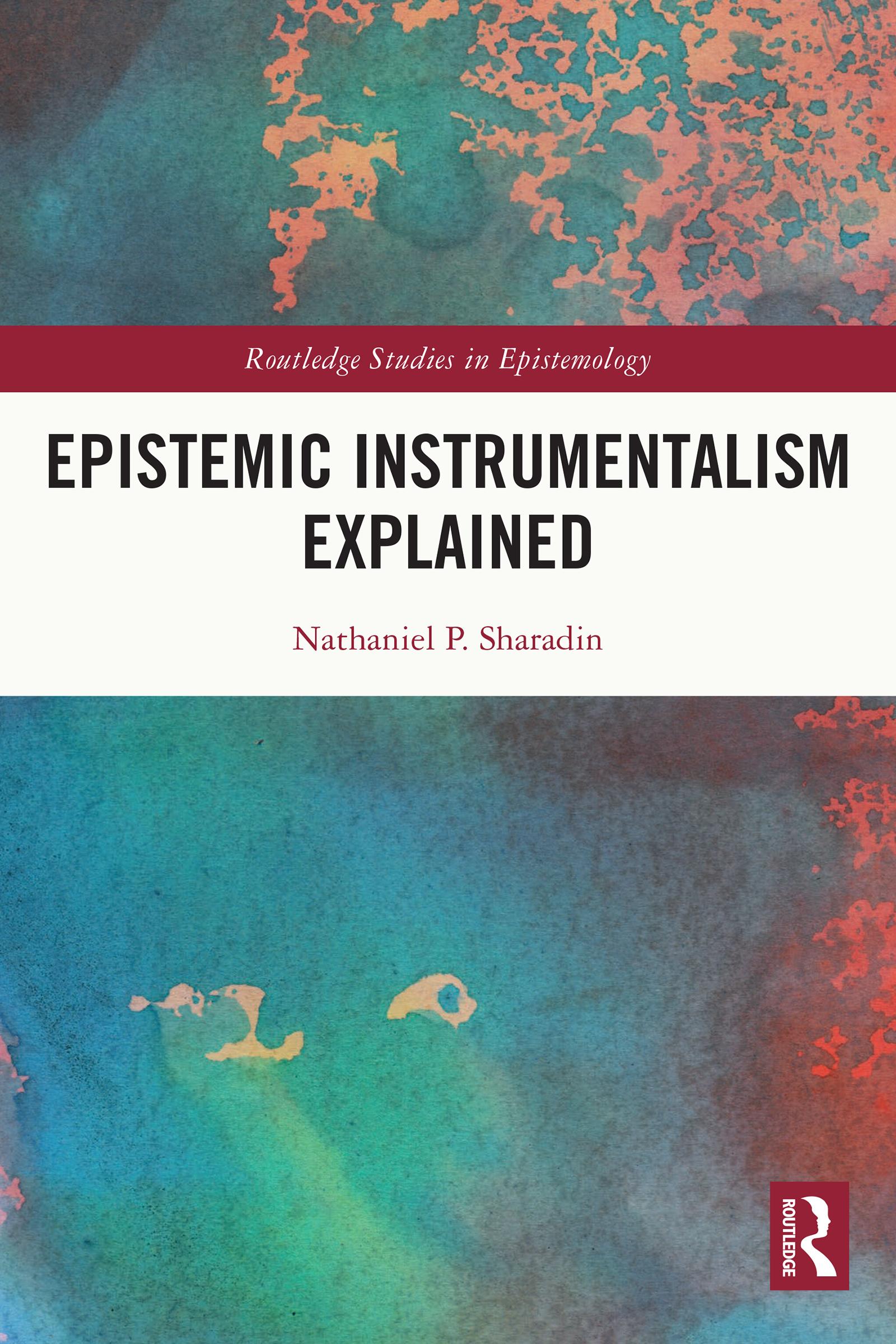
Do epistemic requirements vary along with facts about what promotes agents' well-being? Epistemic instrumentalists say 'yes', and thereby earn a lot of contempt. This contempt is a mistake on two counts. First, it is incorrectly based: the reasons typically given for it are misguided. Second, it fails to distinguish between first- and second-order epistemic instrumentalism; and, it happens, only the former is contemptible.
In this book, Nathaniel P. Sharadin argues for rejecting epistemic instrumentalism as a first-order view not because it suffers extensional failures, but because it suffers explanatory ones. By contrast, he argues that epistemic instrumentalism offers a natural, straightforward explanation of why being epistemically correct matters. What emerges is a second-order instrumentalist explanation for epistemic authority that is neutral between competing first-order epistemic theories. This neutrality is an advantage. But, drawing on work from cognitive science and psychology, Sharadin argues that instrumentalists can abandon that neutrality in order to adopt a view he calls epistemic ecologism.
Epistemic Instrumentalism Explained will be of interest to researchers and advanced students working in epistemology, ethics, and philosophy of mind.
Paga fácilmente con tarjeta, Klarna, Apple Pay o Google Pay. ¿No estás contento? Siempre tienes 14 días de garantía de devolución. Lee más en nuestros términos. Si tienes preguntas, escríbenos a hello@memmo.org.
Memmo hace que estudiar sea más fácil, estés donde estés. Aquí tienes tus libros de texto y herramientas de estudio inteligentes en un solo lugar: resúmenes, quizzes, podcasts y flashcards. Y también a Ted, tu compañero de estudio que responde a todo lo que te preguntes. Más de 50 000 estudiantes ya estudian aquí. Está hecho para que aprendas más rápido y te estreses menos.