
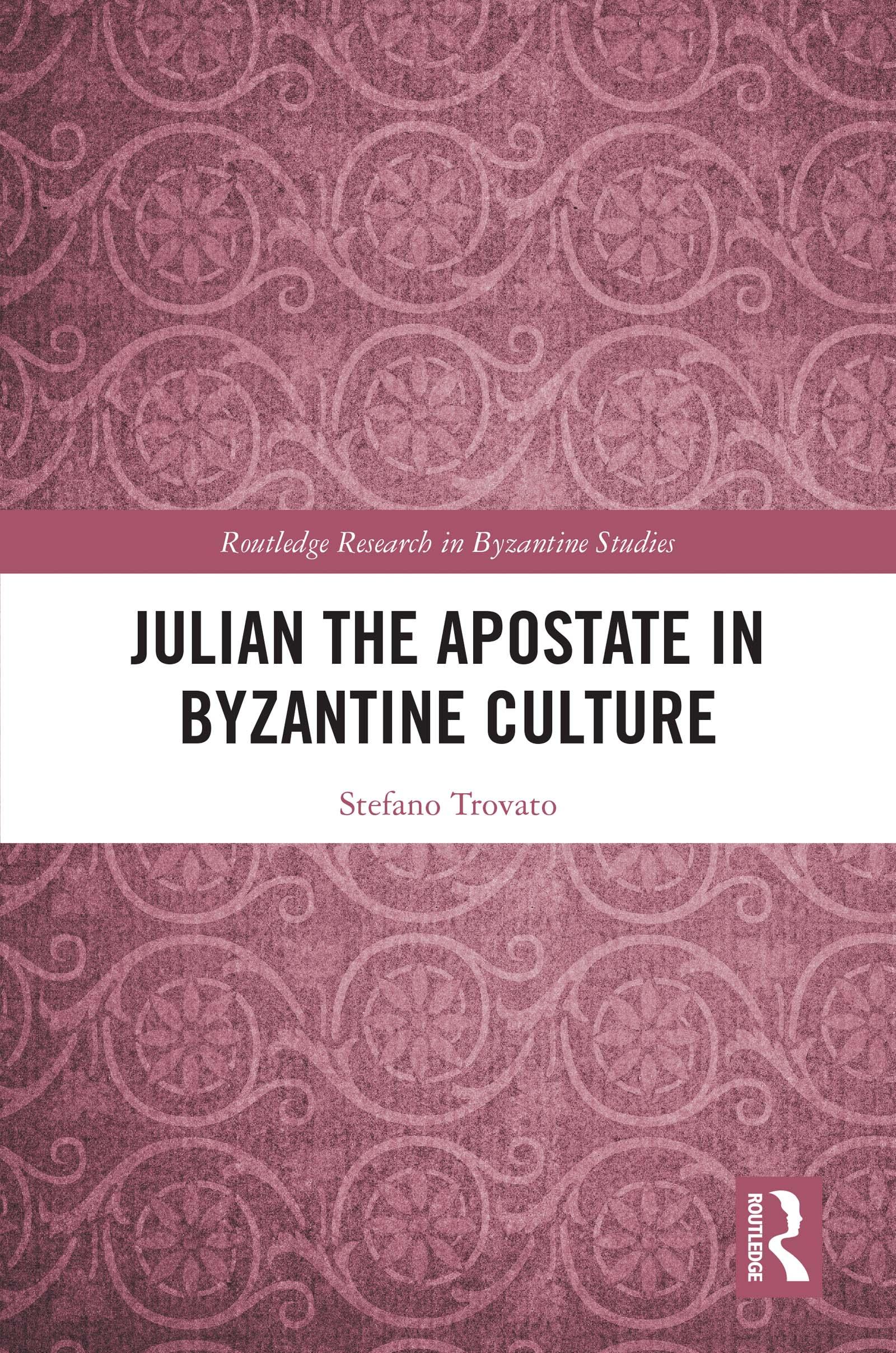
Julian, the last pagan emperor of the Roman empire, died in war in 363. In the Byzantine (that is, the Eastern Roman) empire, the figure of Julian aroused conflicting reactions: antipathy towards his apostasy but also admiration for his accomplishments, particularly as an author writing in Greek. Julian died young, and his attempt to reinstate paganism was a failure, but, paradoxically, his brief and unsuccessful policy resonated for centuries.
This book analyses Julian from the perspectives of Byzantine Culture. The history of his posthumous reputation reveals differences in cultural perspectives and it is most intriguing with regard to the Eastern Roman empire which survived for almost a millennium after the fall of the Western empire. Byzantine culture viewed Julian in multiple ways, first as the legitimate emperor of the enduring Roman empire; second as the author of works written in Greek and handed down for generations in the language that scholars, the Church, and the state administration all continued to use; and third as an open enemy of Christianity.
Julian the Apostate in Byzantine Culture will appeal to both researchers and students of Byzantine perspectives on Julian, Greco-Roman Paganism, and the Later Roman Empire, as well as those interested in Byzantine Historiography.
Paga fácilmente con tarjeta, Klarna, Apple Pay o Google Pay. ¿No estás contento? Siempre tienes 14 días de garantía de devolución. Lee más en nuestros términos. Si tienes preguntas, escríbenos a hello@memmo.org.
Memmo hace que estudiar sea más fácil, estés donde estés. Aquí tienes tus libros de texto y herramientas de estudio inteligentes en un solo lugar: resúmenes, quizzes, podcasts y flashcards. Y también a Ted, tu compañero de estudio que responde a todo lo que te preguntes. Más de 50 000 estudiantes ya estudian aquí. Está hecho para que aprendas más rápido y te estreses menos.