
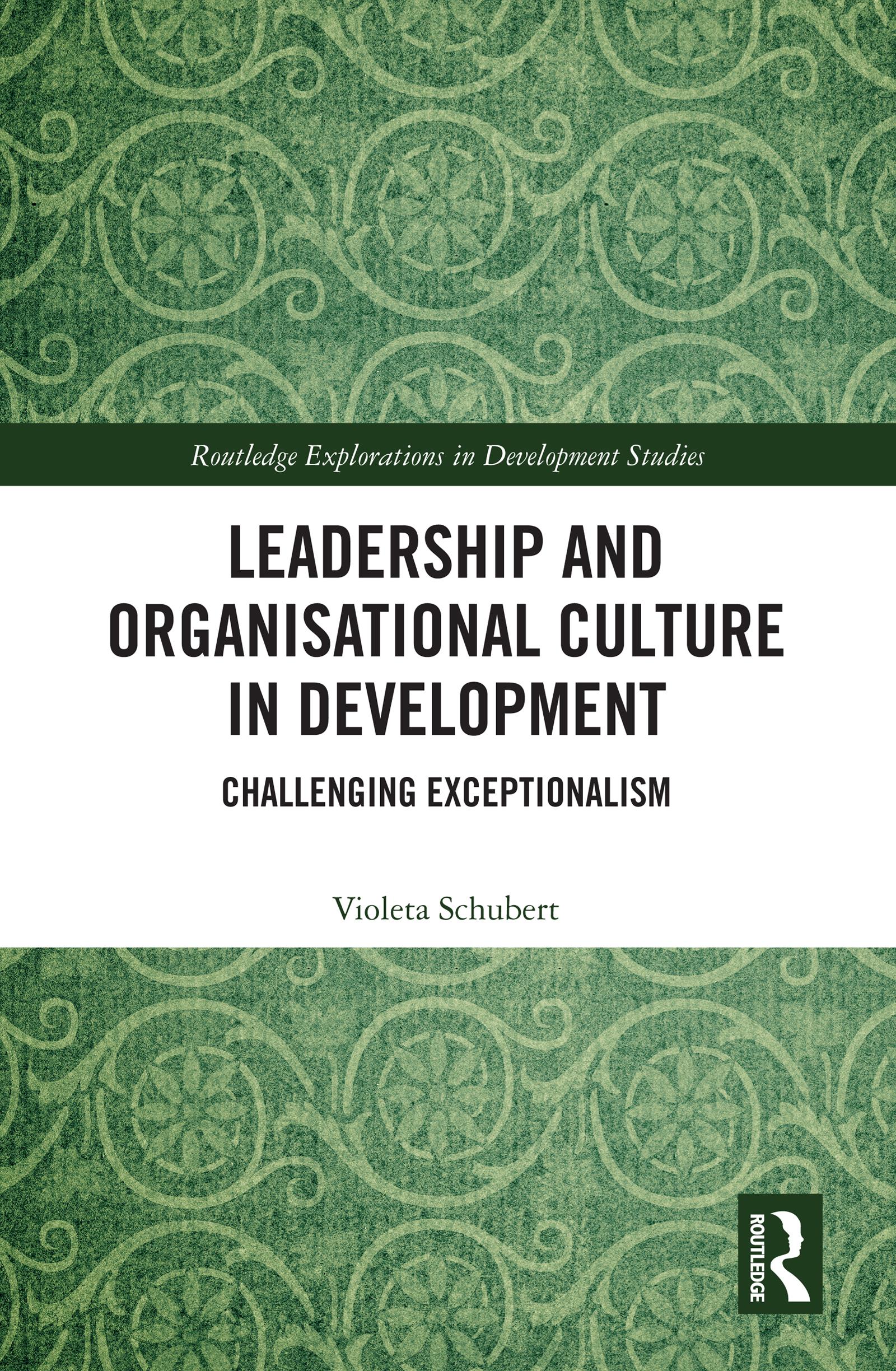
This book uses organisational theory to explore how power and leadership operate in development organisations in different contexts and at different levels.
Culture as a tool for enacting change is of particular importance within organisational and leadership analysis but often limiting. Notions of exceptionalism within the development sector mean that lessons from other organisational contexts are often disregarded or deemed irrelevant. In examining the way that culture operates in organisational and leadership analysis and in development thinking and approaches, the book invites closer attention to modes of organising and leading. The book examines development exceptionalism and the leadership fetishism that it evokes as a panacea for addressing disorder and crisis. The term organisationalism is deployed to capture the endeavours to control and manage, produce and reproduce organisation, and the manifestations, responses and imprints of ‘seeing like an organisation’. The modes and manifestations of organisationalism are especially notable in times of crisis and disorder, accusations of wrongdoings, bad culture and bad leadership.
This book makes an important contribution to debates on development exceptionalism and leadership and as such will be of interest to researchers in development studies and management studies and related disciplines across sociology, politics and global governance.
Paga fácilmente con tarjeta, Klarna, Apple Pay o Google Pay. ¿No estás contento? Siempre tienes 14 días de garantía de devolución. Lee más en nuestros términos. Si tienes preguntas, escríbenos a hello@memmo.org.
Memmo hace que estudiar sea más fácil, estés donde estés. Aquí tienes tus libros de texto y herramientas de estudio inteligentes en un solo lugar: resúmenes, quizzes, podcasts y flashcards. Y también a Ted, tu compañero de estudio que responde a todo lo que te preguntes. Más de 50 000 estudiantes ya estudian aquí. Está hecho para que aprendas más rápido y te estreses menos.