
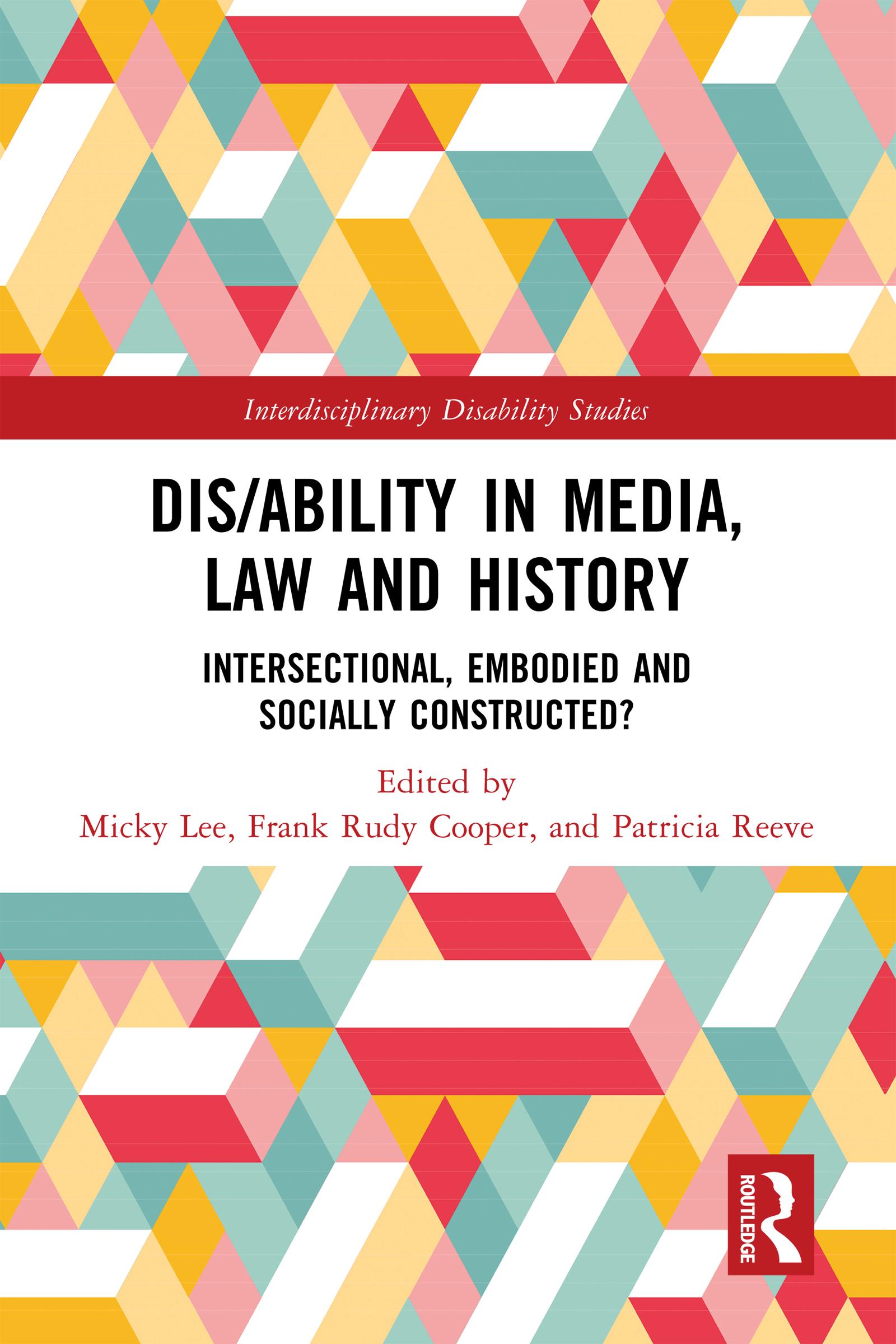
This book explores how being "disabled" originates in the physical world, social representations and rules, and historical power relations—the interplay of which render bodies "normal" or not.
Do parking signs that represent people in wheelchairs as self-propelling influence how we view dis/ability? How do wheelchair users understand their own bodies and an environment not built for them? By asking questions like these the authors reveal how normalization has informed people’s experiences of their bodies and their fight for substantive equality. Understanding these processes requires acknowledging the tension between social construction and embodiment as well as centering the intersection of dis/abilities with other identities, such as race, class, gender, sex orientation, citizen status, and so on.
Scholars and researchers will find that this book provides new avenues for thinking about dis/ability. A wider audience will find it accessible and informative.
Paga fácilmente con tarjeta, Klarna, Apple Pay o Google Pay. ¿No estás contento? Siempre tienes 14 días de garantía de devolución. Lee más en nuestros términos. Si tienes preguntas, escríbenos a hello@memmo.org.
Memmo hace que estudiar sea más fácil, estés donde estés. Aquí tienes tus libros de texto y herramientas de estudio inteligentes en un solo lugar: resúmenes, quizzes, podcasts y flashcards. Y también a Ted, tu compañero de estudio que responde a todo lo que te preguntes. Más de 50 000 estudiantes ya estudian aquí. Está hecho para que aprendas más rápido y te estreses menos.