
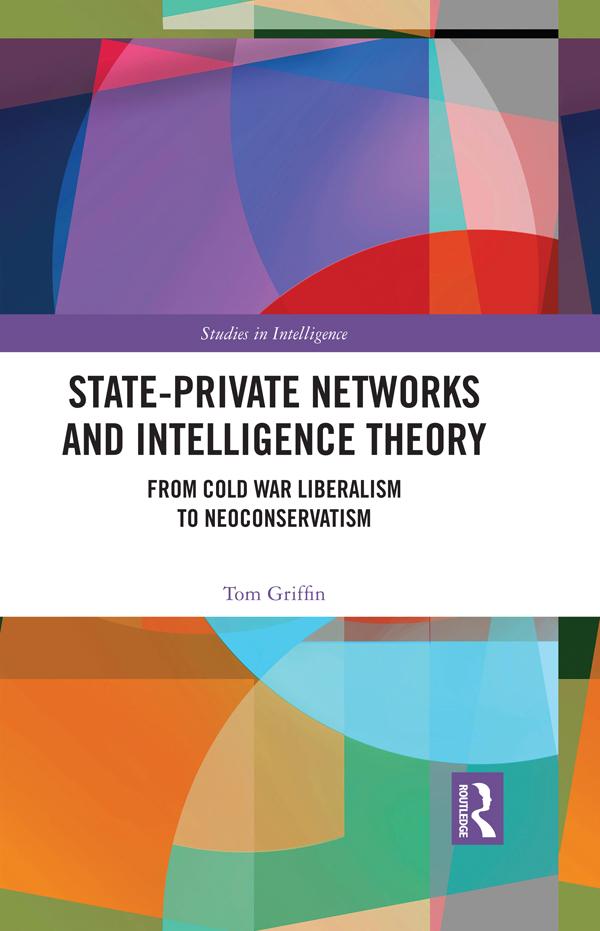
This book examines the United States neoconservative movement, arguing that its support for the 2003 invasion of Iraq was rooted in an intelligence theory shaped by the policy struggles of the Cold War.
The origins of neoconservative engagement with intelligence theory are traced to a tradition of labour anti-communism that emerged in the early 20th century and subsequently provided the Central Intelligence Agency with key allies in the state-private networks of the Cold War era. Reflecting on the break-up of Cold War liberalism and the challenge to state-private networks in the 1970s, the book maps the neoconservative response that influenced developments in United States intelligence policy, counterintelligence and covert action. With the labour roots of neoconservatism widely acknowledged but rarely systematically pursued, this new approach deploys the neoconservative literature of intelligence as evidence of a tradition rooted in the labour anti-communist self-image as allies rather than agents of the American state.
This book will be of great interest to all students of intelligence studies, Cold War history, United States foreign policy and international relations.
Paga fácilmente con tarjeta, Klarna, Apple Pay o Google Pay. ¿No estás contento? Siempre tienes 14 días de garantía de devolución. Lee más en nuestros términos. Si tienes preguntas, escríbenos a hello@memmo.org.
Memmo hace que estudiar sea más fácil, estés donde estés. Aquí tienes tus libros de texto y herramientas de estudio inteligentes en un solo lugar: resúmenes, quizzes, podcasts y flashcards. Y también a Ted, tu compañero de estudio que responde a todo lo que te preguntes. Más de 50 000 estudiantes ya estudian aquí. Está hecho para que aprendas más rápido y te estreses menos.