
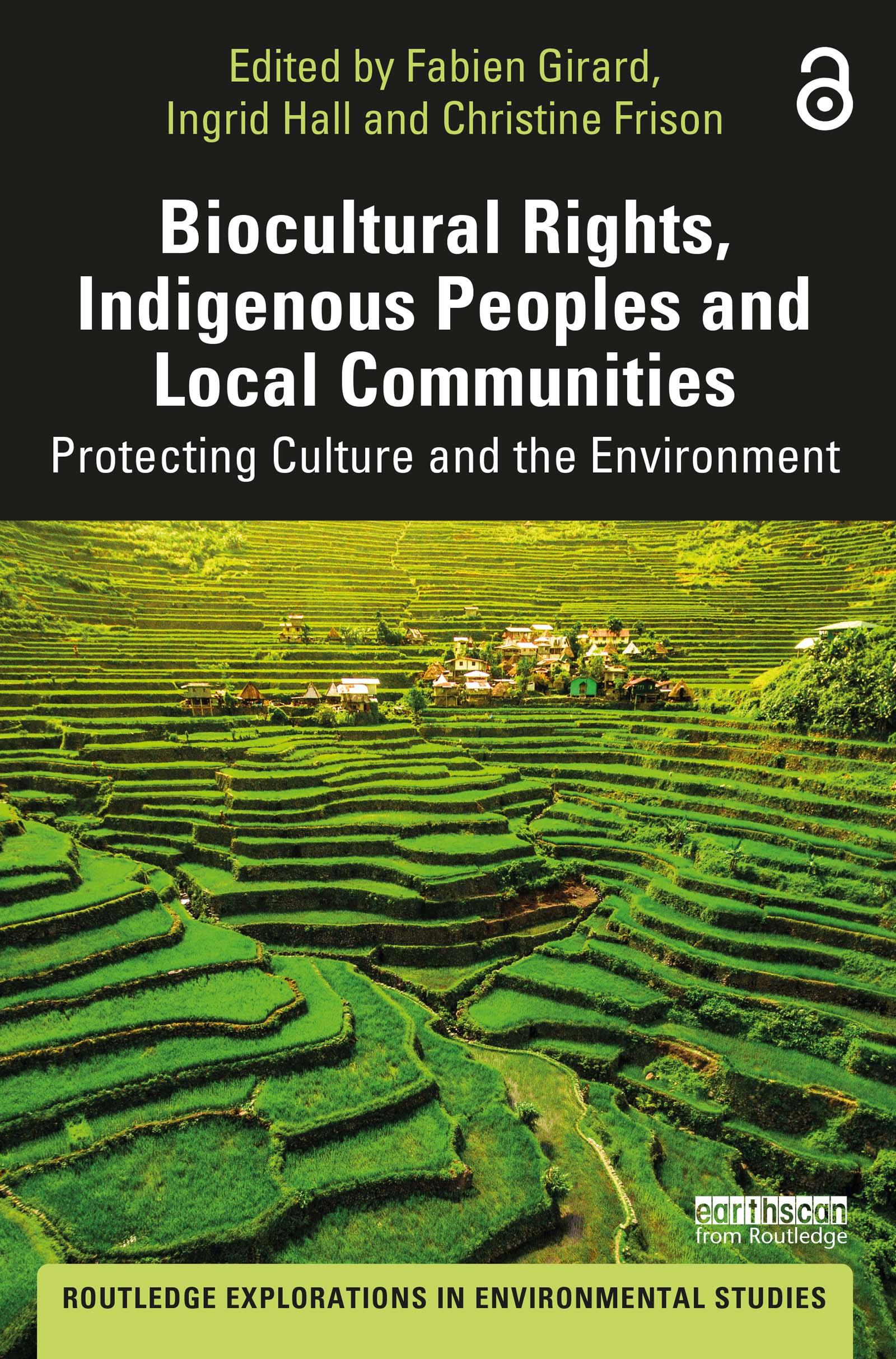
This volume presents a comprehensive overview of biocultural rights, examining how we can promote the role of indigenous peoples and local communities as environmental stewards and how we can ensure that their ways of life are protected.
With Biocultural Community Protocols (BCPs) or Community Protocols (CPs) being increasingly seen as a powerful way of tackling this immense challenge, this book investigates these new instruments and considers the lessons that can be learnt about the situation of indigenous peoples and local communities. It opens with theoretical insights which provide the reader with foundational concepts such as biocultural diversity, biocultural rights and community rule-making. In Part Two, the book moves on to community protocols within the Access Benefit Sharing (ABS) context, while taking a glimpse into the nature and role of community protocols beyond issues of access to genetic resources and traditional knowledge. A thorough review of specific cases drawn from field-based research around the world is presented in this part. Comprehensive chapters also explore the negotiation process and raise stimulating questions about the role of international brokers and organizations and the way they can use BCPs/CPs as disciplinary tools for national and regional planning or to serve powerful institutional interests. Finally, the third part of the book considers whether BCPs/CPs, notably through their emphasis on "stewardship of nature" and "tradition", can be seen as problematic arrangements that constrain indigenous peoples within the Western imagination, without any hope of them reconstructing their identities according to their own visions, or whether they can be seen as political tools and representational strategies used by indigenous peoples in their struggle for greater rights to their land, territories and resources, and for more political space.
This volume will be of great interest to students and scholars of environmental law, indigenous peoples, biodiversity conservation and environmental anthropology. It will also be of great use to professionals and policymakers involved in environmental management and the protection of indigenous rights.
The Open Access version of this book, available at www.taylorfrancis.com, has been made available under a Creative Commons Attribution-Non Commercial-No Derivatives 4.0 license
Paga fácilmente con tarjeta, Klarna, Apple Pay o Google Pay. ¿No estás contento? Siempre tienes 14 días de garantía de devolución. Lee más en nuestros términos. Si tienes preguntas, escríbenos a hello@memmo.org.
Memmo hace que estudiar sea más fácil, estés donde estés. Aquí tienes tus libros de texto y herramientas de estudio inteligentes en un solo lugar: resúmenes, quizzes, podcasts y flashcards. Y también a Ted, tu compañero de estudio que responde a todo lo que te preguntes. Más de 50 000 estudiantes ya estudian aquí. Está hecho para que aprendas más rápido y te estreses menos.