
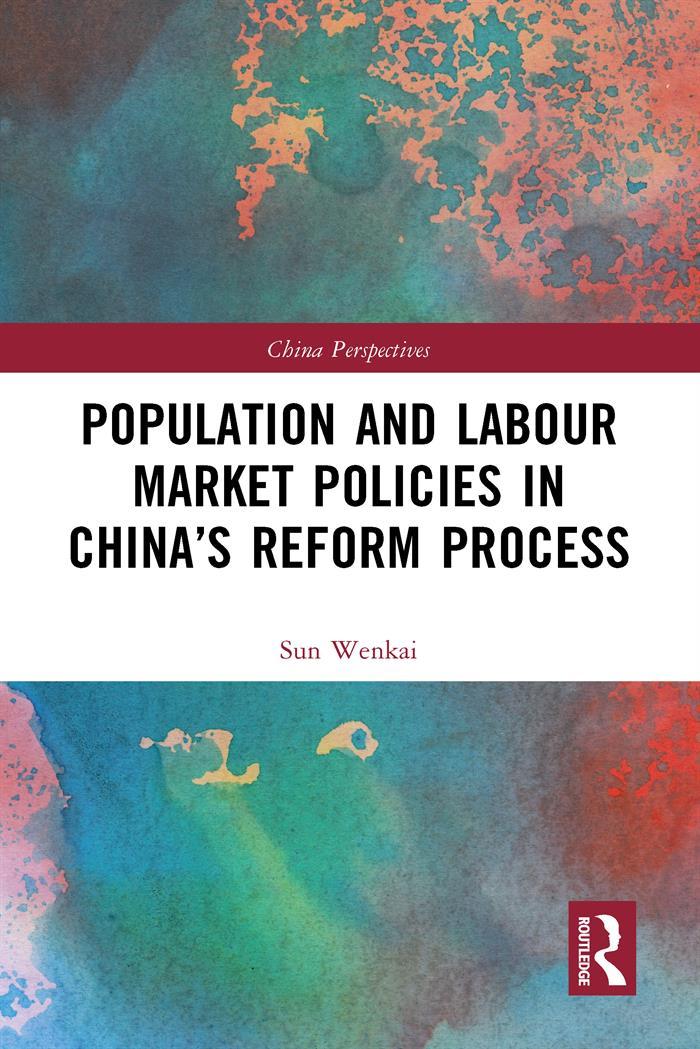
This book investigates the population and labour management reforms implemented since the reform and opening up of China in the early 1980s, giving insights into the economic and social implications of these reforms and future prospects for population governance.
The study examines three major components of China’s population management strategy in terms of its history and implementation: the household registration (Hukou) system, family planning policy, and the labour market system. Grounded in both qualitative and quantitative analysis, key metrics are introduced to better understand the Hukou system on the one hand while exploring the socio-economic issues arising from the policy, including the economic behaviour or residents, fertility, care of older people, entrepreneurship, institutional premiums and gender wage differentials. Based on these investigations, the author advances constructive suggestions to inform policymaking, aiming to deepen market-oriented reform of the economic system and improve social welfare in China.
The title will be a good reference for academics, students and policy makers interested in social policy, labour economics and especially China’s population and labour policy and Chinese economy and society.
Paga fácilmente con tarjeta, Klarna, Apple Pay o Google Pay. ¿No estás contento? Siempre tienes 14 días de garantía de devolución. Lee más en nuestros términos. Si tienes preguntas, escríbenos a hello@memmo.org.
Memmo hace que estudiar sea más fácil, estés donde estés. Aquí tienes tus libros de texto y herramientas de estudio inteligentes en un solo lugar: resúmenes, quizzes, podcasts y flashcards. Y también a Ted, tu compañero de estudio que responde a todo lo que te preguntes. Más de 50 000 estudiantes ya estudian aquí. Está hecho para que aprendas más rápido y te estreses menos.