
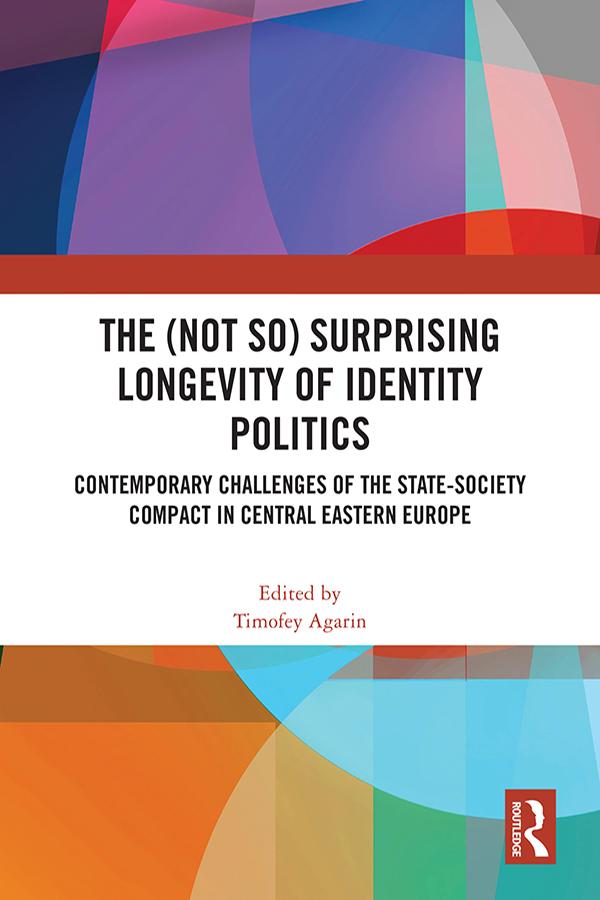
This book assesses the underpinning role ‘references to identity’ played and continue to play as the powerful mobilising force in domestic politics across the East European region stretching from Estonia to Bulgaria.
The EU membership of postcommunist states was to ensure stability, prevent conflict and eventually guarantee equality of all citizens regardless of their political preferences or ethnic identities. However, the promotion of such norms and values has been secondary to consolidation of state institutions and the societies they serve around ethnocentric narratives of states’ core ethnic groups. The sequel of financial, then ‘refugee’ crises has further dented the appeal of the EU’s norms across the region. Even the rhetoric commitment to respect cultural diversity and human rights has been promptly replaced with references to identity and interests of politically relevant groups. Yet, nativist and populist rhetoric has been the staple of politics since before the EU accession.
The chapters in this edited volume zoom in on politics which forge and live-off their societies’ preoccupation with ethnocentric narratives, vesting national identity with persistent relevance and considerable weight across the postcommunist region.
The chapters in this book were originally published in the journal, East European Politics.
Paga fácilmente con tarjeta, Klarna, Apple Pay o Google Pay. ¿No estás contento? Siempre tienes 14 días de garantía de devolución. Lee más en nuestros términos. Si tienes preguntas, escríbenos a hello@memmo.org.
Memmo hace que estudiar sea más fácil, estés donde estés. Aquí tienes tus libros de texto y herramientas de estudio inteligentes en un solo lugar: resúmenes, quizzes, podcasts y flashcards. Y también a Ted, tu compañero de estudio que responde a todo lo que te preguntes. Más de 50 000 estudiantes ya estudian aquí. Está hecho para que aprendas más rápido y te estreses menos.