
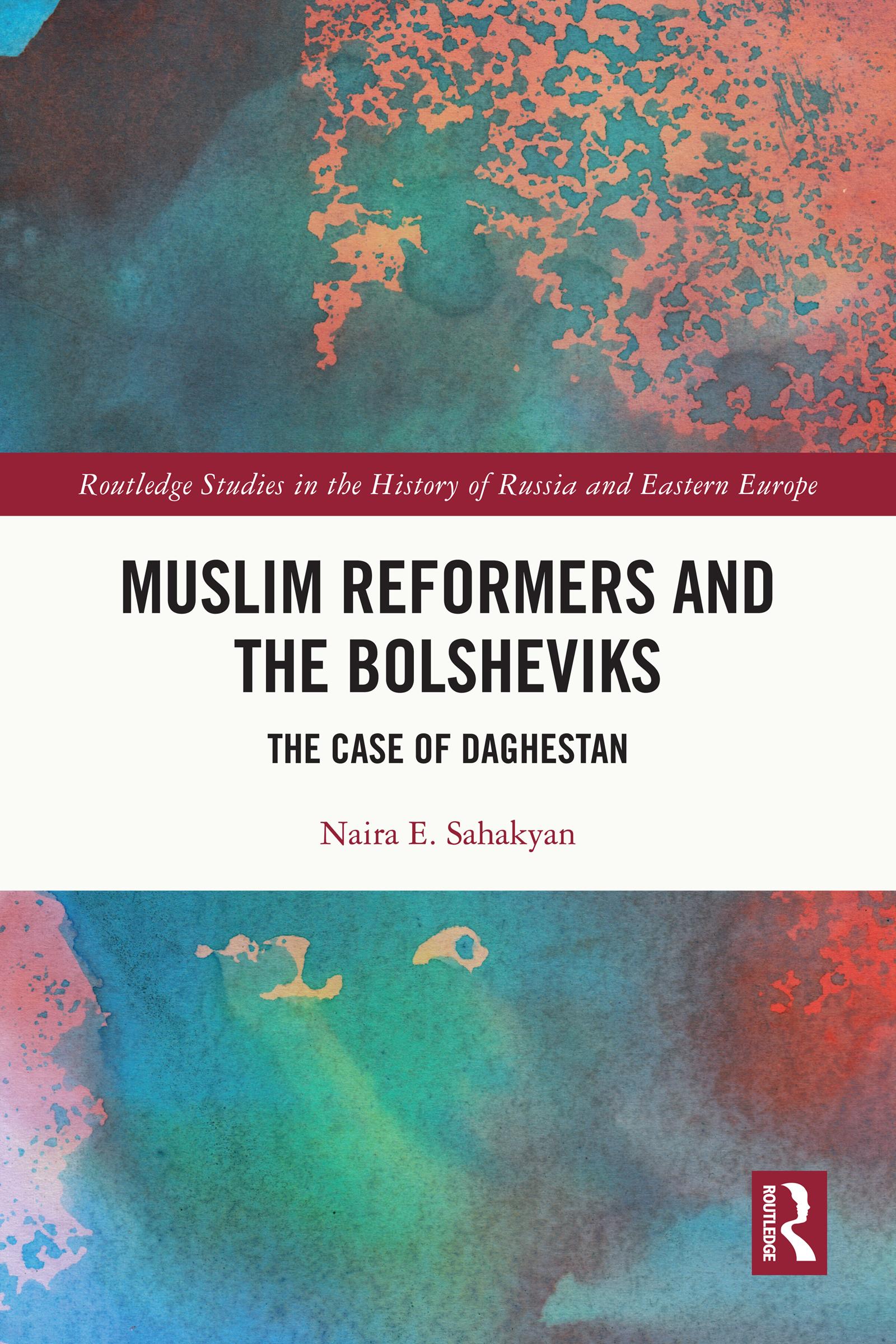
This book explores how the Muslim scholars of Daghestan, an important Muslim region within Russia, experienced the 1917 Russian Revolution and how they attempted to gain religious and political authority in the new post-imperial environment. Covering the period between the February Revolution and the first massive repressions of the scholars of Islam, it provides new insights into the complexities of the relations between Muslim reformers and Bolsheviks. It challenges the prevailing view in Western scholarship that the relationship was antagonistic, revealing that relations were pragmatic rather than ideological. It argues that there was cooperation on issues of modern education and language policy, and alliances against assumed common threats, such as the British, Wahhābis and local Ṣūfīs, along with disagreements related to the Bolsheviks’ atheism and their concept of class struggle. Overall, it demonstrates that the Islamic reformist discourse in Daghestan, although influenced by the wider Islamic debate at the turn of the twentieth century, was an integral part of Soviet modernity.
Paga fácilmente con tarjeta, Klarna, Apple Pay o Google Pay. ¿No estás contento? Siempre tienes 14 días de garantía de devolución. Lee más en nuestros términos. Si tienes preguntas, escríbenos a hello@memmo.org.
Memmo hace que estudiar sea más fácil, estés donde estés. Aquí tienes tus libros de texto y herramientas de estudio inteligentes en un solo lugar: resúmenes, quizzes, podcasts y flashcards. Y también a Ted, tu compañero de estudio que responde a todo lo que te preguntes. Más de 50 000 estudiantes ya estudian aquí. Está hecho para que aprendas más rápido y te estreses menos.