
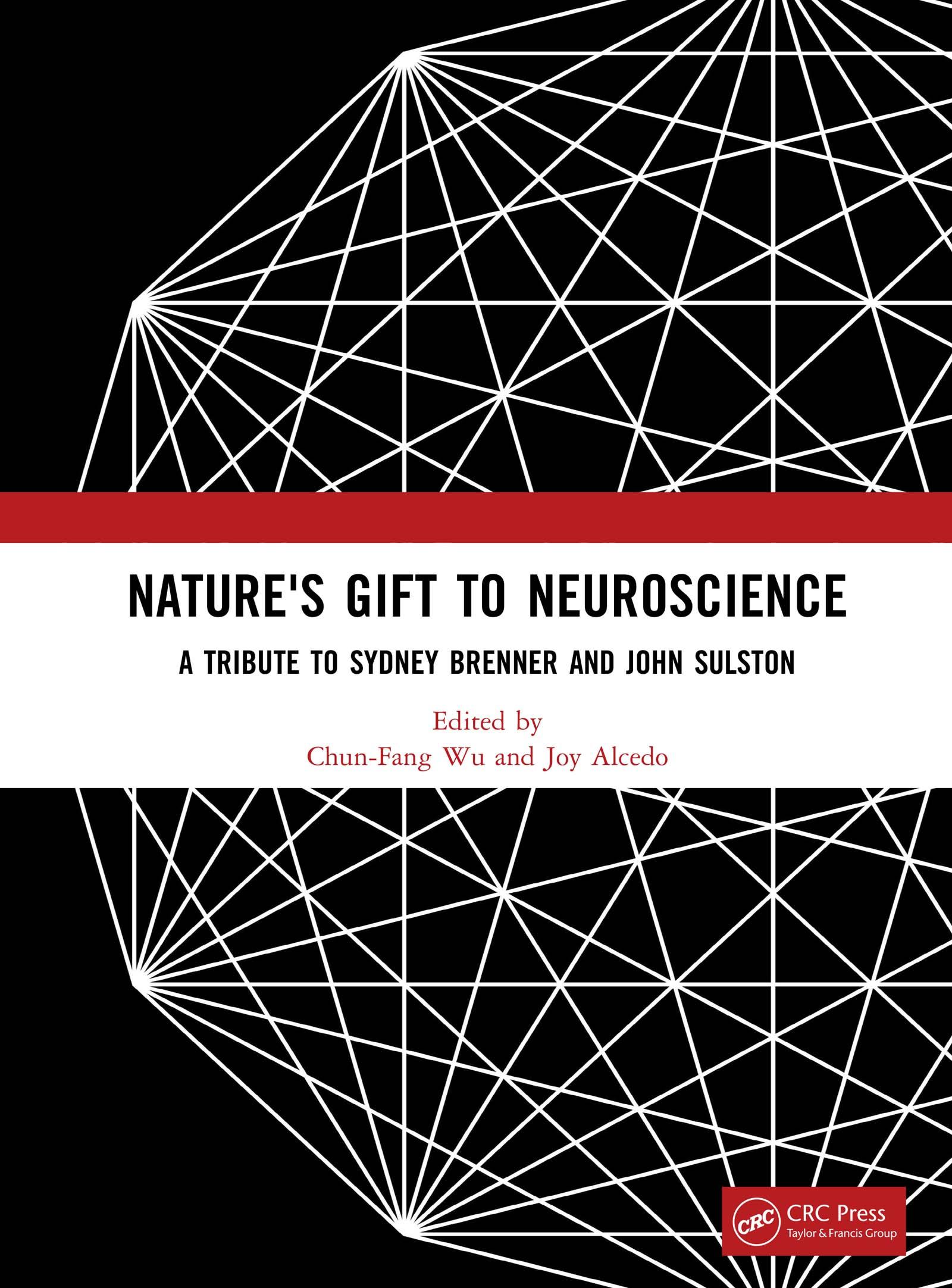
In the 1960s, Sydney Brenner proposed to use the nematode worm Caenorhabditis elegans to discover the control mechanisms of animal development and to reveal how a small number of neurons generate different behaviours, giving birth to a vibrant community that uses this animal model for their studies. Brenner was aided in his aim by John Sulston, who mapped the C. elegans cell lineages – from a single cell to the multicellular adult – which transformed the field of developmental biology.
As a tribute to these two men, this book captures the perspectives of some of the early pioneers of the worm community, from Martin Chalfie, Robert Waterston and Donald Moerman to Catherine Rankin, Antony Stretton and John White. It also includes contributions from subsequent generations of the community, who explore the development and function of the C. elegans nervous system. This book features how this animal has become one of the best models for elucidating the biology of different sensory modalities and their complex behavioural outputs, or how this animal’s survival strategies have contributed to our understanding of ageing and neurodegeneration. Thus, this volume documents the development of the C. elegans neuroscience field, from infancy to maturity.
The chapters in this book were originally published as a special issue of the Journal of Neurogenetics.
Paga fácilmente con tarjeta, Klarna, Apple Pay o Google Pay. ¿No estás contento? Siempre tienes 14 días de garantía de devolución. Lee más en nuestros términos. Si tienes preguntas, escríbenos a hello@memmo.org.
Memmo hace que estudiar sea más fácil, estés donde estés. Aquí tienes tus libros de texto y herramientas de estudio inteligentes en un solo lugar: resúmenes, quizzes, podcasts y flashcards. Y también a Ted, tu compañero de estudio que responde a todo lo que te preguntes. Más de 50 000 estudiantes ya estudian aquí. Está hecho para que aprendas más rápido y te estreses menos.