
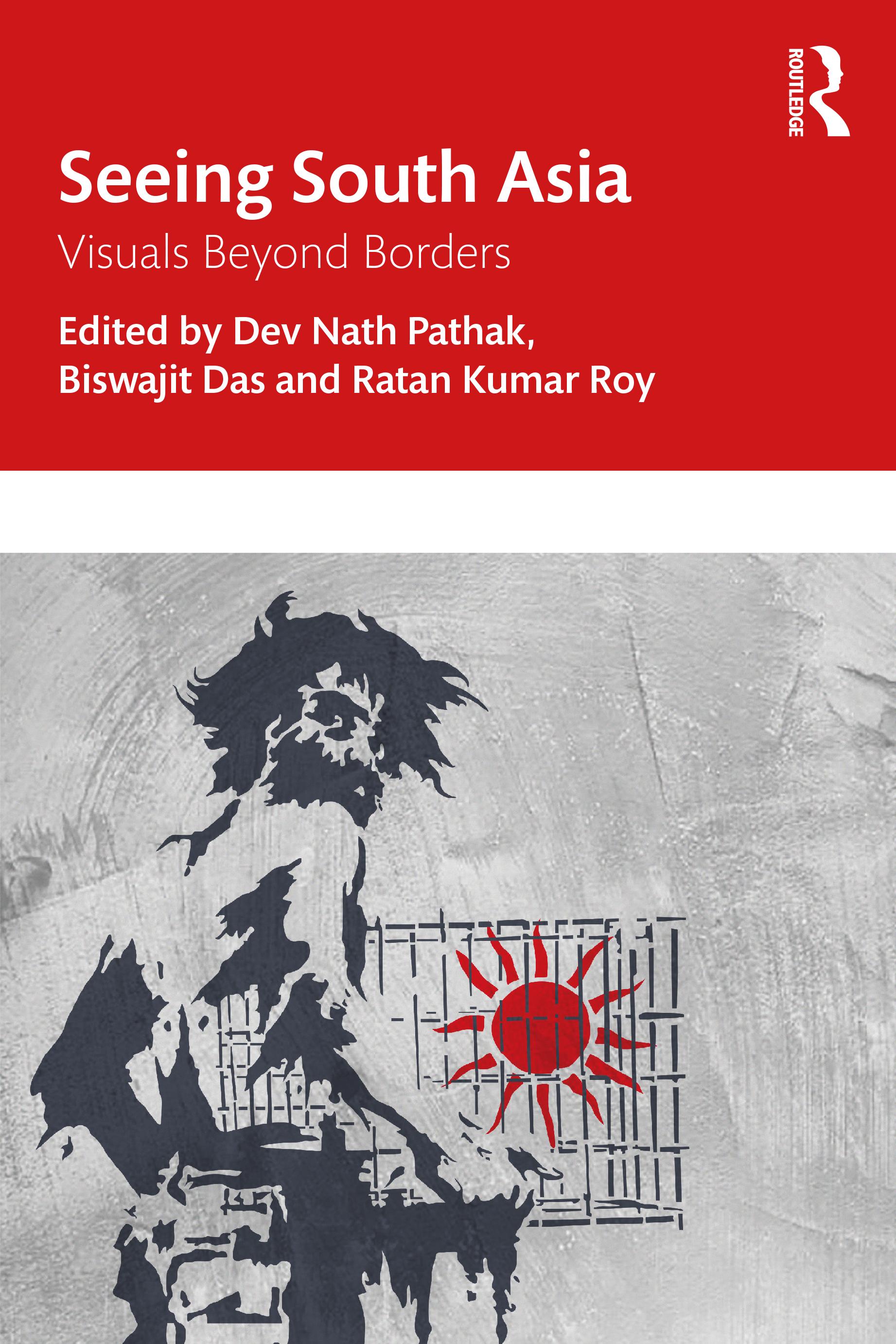
This book critically examines the cultural politics of visuals in South Asia. It makes a key contribution to the study of visuals in the social sciences in South Asia by studying the interplay of the seen and unseen, and the visual and nonvisual. The volume explores interrelated themes including the vernacular visual and visuality, ways of seeing in South Asia and the methodology of hermeneutic sensorium, anxiety and politics of the visuals across the region and the trajectory of visual anthropology, significance of visual symbols and representations in contemporary performances and folk art, visual landscapes of loss and recovery and representation of refugees, visual public in South Asia and making of visuals for contemporary consumptions. The chapters unravel the concepts of visual, visibility, visuality while attending to determinant meta-ideas, such as memory and modernity, trajectories of tradition, fluidity and hybridity, and visual performative politics. Based on interdisciplinary resources, the chapters in this volume present a wide array of empirical findings across India, Pakistan, Sri Lanka, Nepal and Bangladesh, along with analytical readings of the visual culture of the subcontinent across borders.
The book will be useful to scholars and researchers of visual and cultural studies, social and cultural anthropology, sociology, political studies, media and communications studies, performance studies, art history, television and film studies, photography studies, and South Asian studies. It will also interest practitioners including artists, visual artists, photographers, filmmakers and media critics.
Paga fácilmente con tarjeta, Klarna, Apple Pay o Google Pay. ¿No estás contento? Siempre tienes 14 días de garantía de devolución. Lee más en nuestros términos. Si tienes preguntas, escríbenos a hello@memmo.org.
Memmo hace que estudiar sea más fácil, estés donde estés. Aquí tienes tus libros de texto y herramientas de estudio inteligentes en un solo lugar: resúmenes, quizzes, podcasts y flashcards. Y también a Ted, tu compañero de estudio que responde a todo lo que te preguntes. Más de 50 000 estudiantes ya estudian aquí. Está hecho para que aprendas más rápido y te estreses menos.