
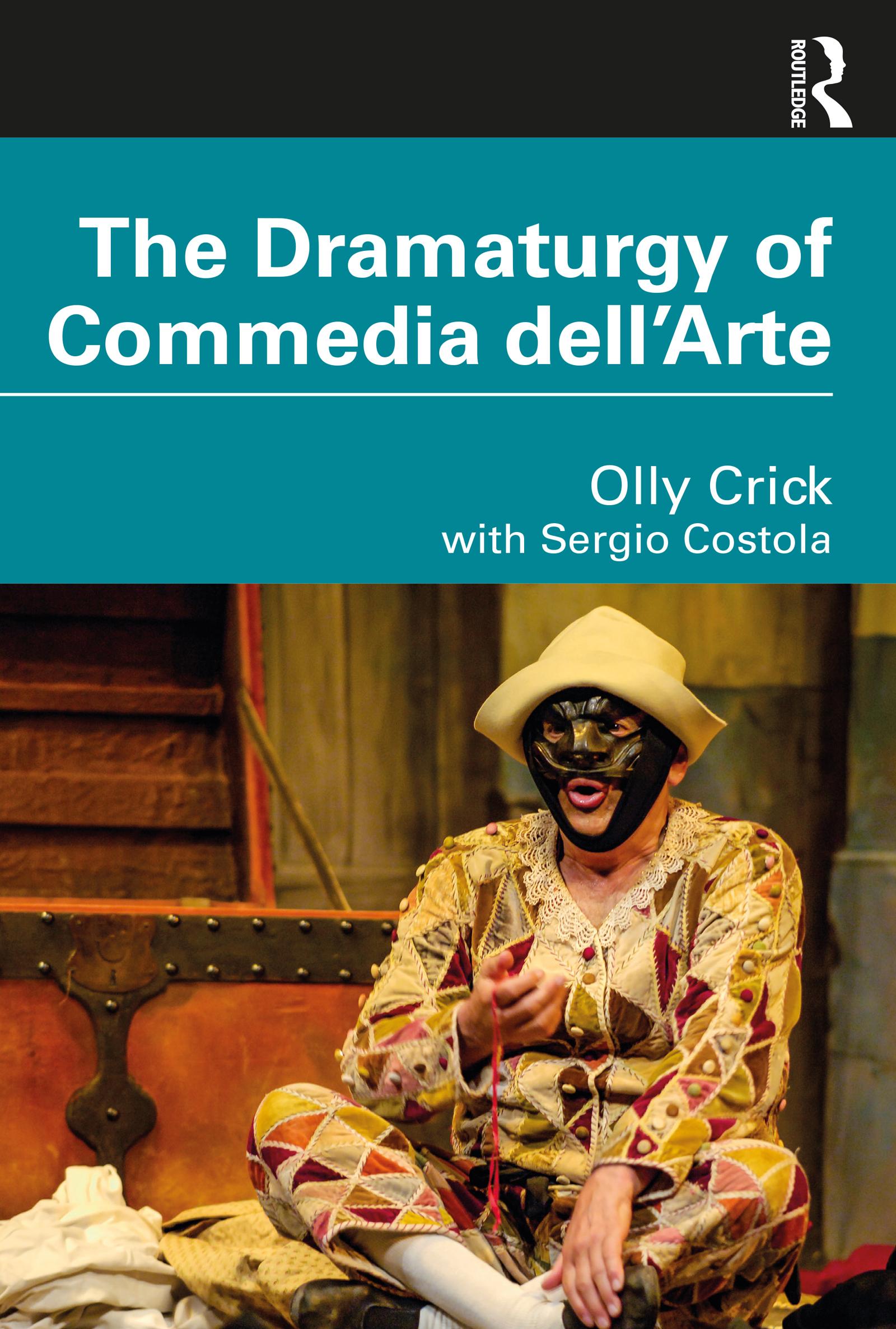
This book examines Commedia dell'Arte as a performative genre, and one that should be analysed through the framework of dramaturgy and dramaturgical practice.
This volume examines the way Commedia has been explored in the twentieth and twenty-first centuries, and details its reinventors’ dramaturgic approaches, both focusing in on specific examples such as Jacques Lecoq, Dario Fo and Antonio Fava, and also suggesting how modern discoveries may aid the study of historical performance practice. It also discusses how audiences read and receive masks; the relationship between the different masked and unmasked roles; the range of performance activities that come under the umbrella term ‘improvisation’; the performative construction of a role performed ‘live’ from a scenario; the role of language and embodied locality in performance; and the performative relationship between performative commedia and literary tragicomedy.
Its focus is dramaturgy, and so it may be read both as a text describing various theatrical practices from 1946 onwards and as a way of creating one’s own contemporary Commedia practice. It is an important read for any student or scholar of Commedia dell'Arte and theatre historians grappling with the status of this unique and influential performance form.
Paga fácilmente con tarjeta, Klarna, Apple Pay o Google Pay. ¿No estás contento? Siempre tienes 14 días de garantía de devolución. Lee más en nuestros términos. Si tienes preguntas, escríbenos a hello@memmo.org.
Memmo hace que estudiar sea más fácil, estés donde estés. Aquí tienes tus libros de texto y herramientas de estudio inteligentes en un solo lugar: resúmenes, quizzes, podcasts y flashcards. Y también a Ted, tu compañero de estudio que responde a todo lo que te preguntes. Más de 50 000 estudiantes ya estudian aquí. Está hecho para que aprendas más rápido y te estreses menos.