
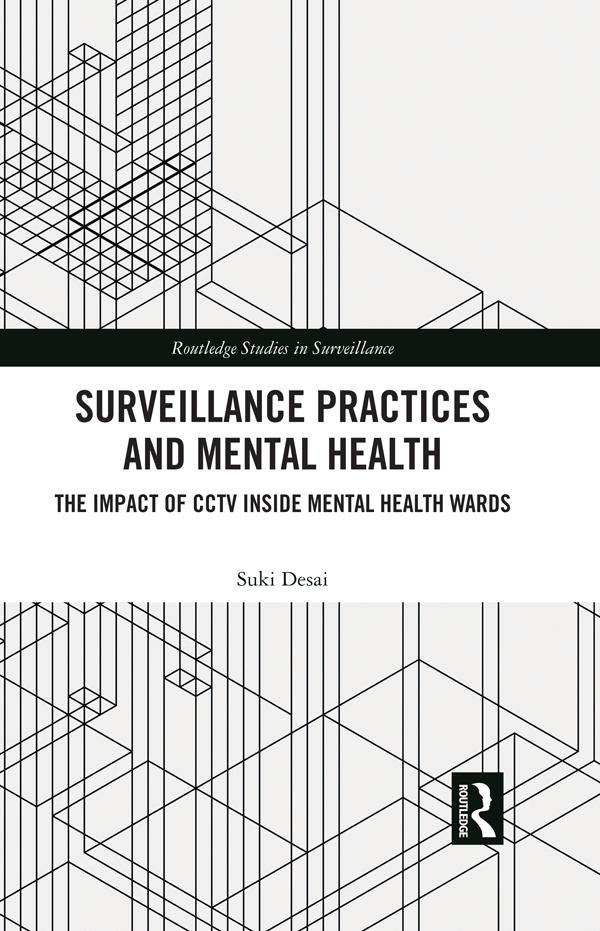
This book examines how CCTV cameras expose the patient body inside the mental health ward, especially the relationship between staff and patients as surveillance subjects.
A key aspect of the book is that existing surveillance literature and mental health literature have largely ignored the influence of CCTV cameras on patient and staff experiences inside mental health wards. Research findings for this book suggest that camera use inside mental health wards is based on a perception of the violent nature of the mental health patient. This perception not only influences ethical mental health practice inside the ward but also impacts how patients experience the ward.
It is not known how and why CCTV camera use has expanded to its uses inside mental health wards. These include not only communal areas of the ward but also patient bedrooms. The research, therefore, examines how and why camera technology was introduced inside three Psychiatric Intensive Care Mental Health Units located in England, UK. Aimed at both undergraduate and postgraduate students, this book will appeal to sociology, mental health, and surveillance studies students, as well as practitioners in mental health nursing, caseworkers and social caregivers.
Paga fácilmente con tarjeta, Klarna, Apple Pay o Google Pay. ¿No estás contento? Siempre tienes 14 días de garantía de devolución. Lee más en nuestros términos. Si tienes preguntas, escríbenos a hello@memmo.org.
Memmo hace que estudiar sea más fácil, estés donde estés. Aquí tienes tus libros de texto y herramientas de estudio inteligentes en un solo lugar: resúmenes, quizzes, podcasts y flashcards. Y también a Ted, tu compañero de estudio que responde a todo lo que te preguntes. Más de 50 000 estudiantes ya estudian aquí. Está hecho para que aprendas más rápido y te estreses menos.