
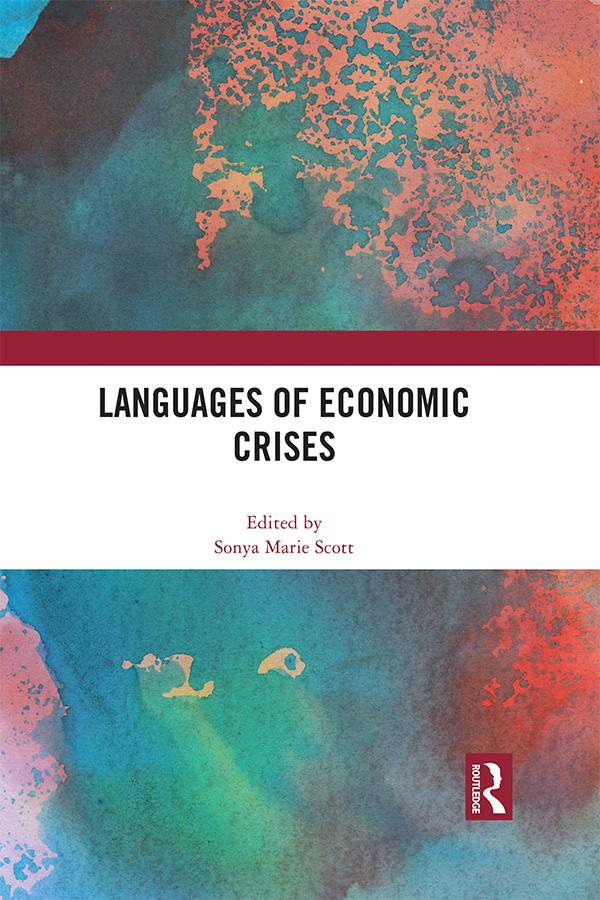
This book offers a critical engagement with languages that describe, perpetuate, respond to, and resist economic crises. Unlike many volumes on economic crises that offer economistic explanations of their causes or policy suggestions for their resolution, this collection explores the different types of language used to deal with complex economic phenomena. The chapters in this volume examine a range of connections between language and crises: from the metaphors used historically to describe economic crises, to the languages deployed within periods of crises and economic struggle, to the popular responses thereto (including political manifestations and worker-organized enterprises). Also considered are the implications for democratic participation and gender relations, and the lack of language to express economic experience amongst certain groups.
With essays from seven contributors representing five different countries, this collection has global relevance in a time marked by economic volatility and upheaval, and will serve as a valuable resource for those interested in the politics of language, economic discourse and the epistemological complexities of economic crises.
The chapters in this book were originally published as a special issue of the Journal of Cultural Economy.
Paga fácilmente con tarjeta, Klarna, Apple Pay o Google Pay. ¿No estás contento? Siempre tienes 14 días de garantía de devolución. Lee más en nuestros términos. Si tienes preguntas, escríbenos a hello@memmo.org.
Memmo hace que estudiar sea más fácil, estés donde estés. Aquí tienes tus libros de texto y herramientas de estudio inteligentes en un solo lugar: resúmenes, quizzes, podcasts y flashcards. Y también a Ted, tu compañero de estudio que responde a todo lo que te preguntes. Más de 50 000 estudiantes ya estudian aquí. Está hecho para que aprendas más rápido y te estreses menos.