
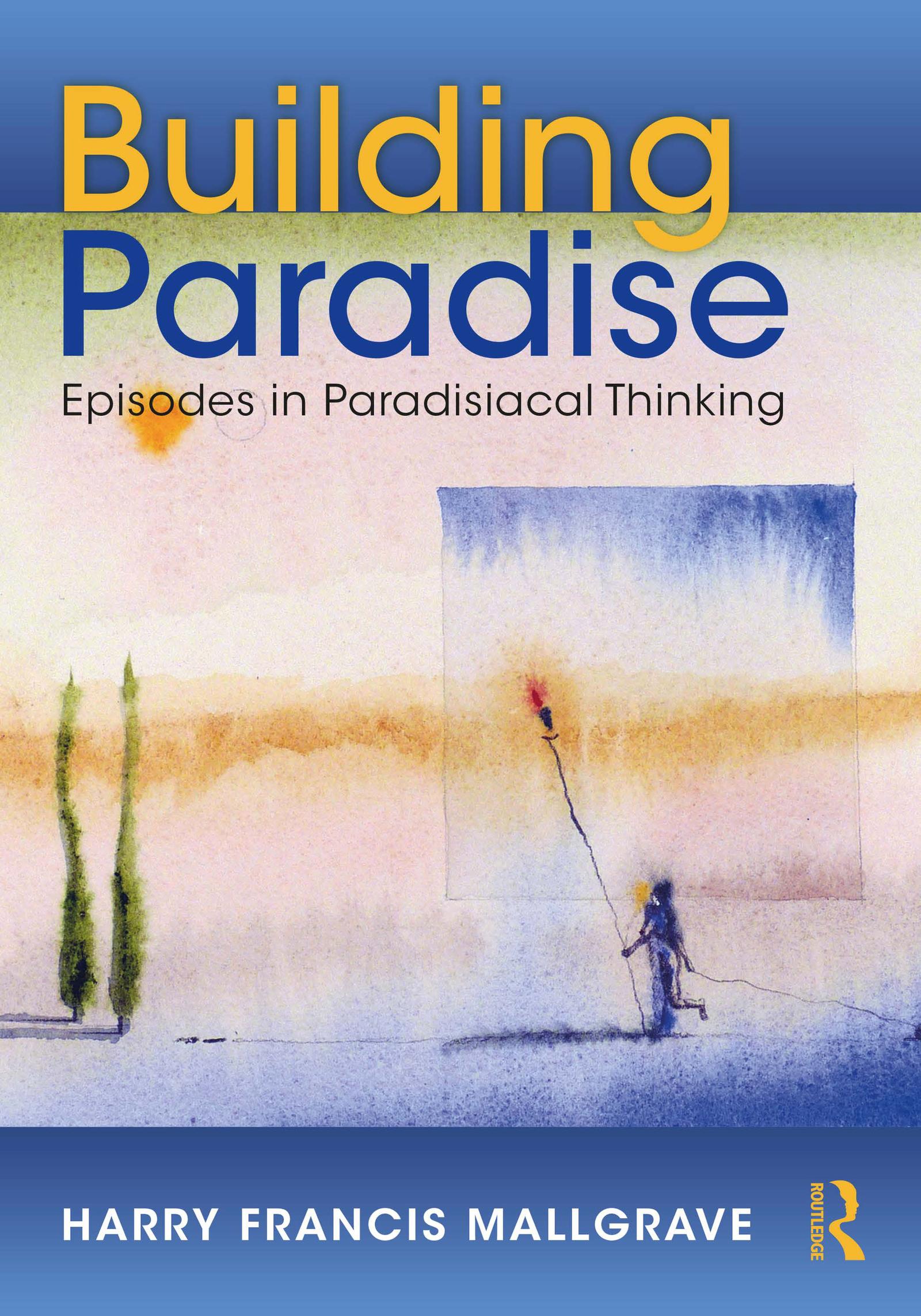
A sweeping historical study, Building Paradise seeks to construct a garden ethic for the design arts. It is an ethic predicated on the idea that, with our recent ecological and biological insights, we can build more intelligently than the status quo of current design practices. The paradisiacal instinct is the motivation behind every artistic impulse. From its theological origins to the present, the idea of paradise—the garden as a place of peace, beauty, and happiness—has acquired numerous meanings. It was a motif expounded in the earliest cultures of Mesopotamia, Egypt, and the Indus Valley, and it later became a dominant feature of Buddhist, Judeo-Christian, and Islamic practices. It informed Greco-Roman mythologies and the design of a Japanese garden; it was a motivation for the Renaissance humanists, and was complicit in visions of a New Arcadia within the landscapes of the Americas. This book, underscoring how the built and urban environments shapes culture, takes a biophilic approach and draws upon the major advances of the human sciences of the last few decades to argue on behalf of a design ethic centered squarely on human needs and aspirations. Written for students and academics within architecture and all related fields, this book focuses on the efforts to build paradise in a material way.
Paga fácilmente con tarjeta, Klarna, Apple Pay o Google Pay. ¿No estás contento? Siempre tienes 14 días de garantía de devolución. Lee más en nuestros términos. Si tienes preguntas, escríbenos a hello@memmo.org.
Memmo hace que estudiar sea más fácil, estés donde estés. Aquí tienes tus libros de texto y herramientas de estudio inteligentes en un solo lugar: resúmenes, quizzes, podcasts y flashcards. Y también a Ted, tu compañero de estudio que responde a todo lo que te preguntes. Más de 50 000 estudiantes ya estudian aquí. Está hecho para que aprendas más rápido y te estreses menos.