
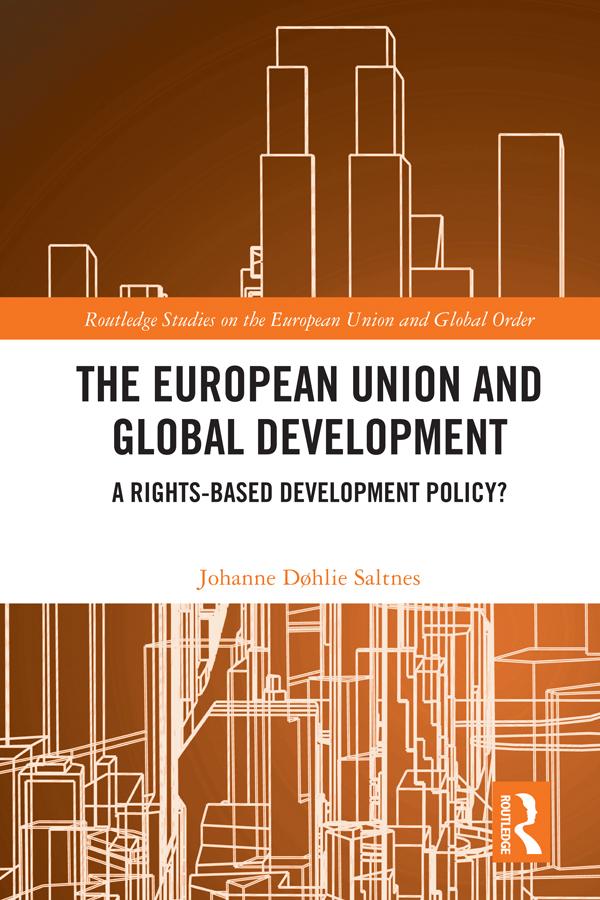
This book systematically analyses the EU’s commitment to a human rights-based approach to development through the lens of global justice theory.
It identifies limits to the EU’s approach and discusses how standardised policies, particularly in the case of human rights sanctions, may be perceived as neo-colonially intrusive and can come at the cost of recognizing the experiences and interests of vulnerable groups and allowing for partner countries’ democratic ownership of their own development trajectory. Engaging with primary sources including official documents, reports, and 45 semi-structured interviews with EU and member state officials, the book also presents a novel explanation for why the EU, at times, steps out of its commitment to rights-based development and chooses differentiated foreign policy responses to similar situations.
This book will be of key interest to scholars and students of EU foreign policy, EU development policy human rights, and international relations as well as policy practitioners working in the fields of development, human rights and democracy promotion.
Paga fácilmente con tarjeta, Klarna, Apple Pay o Google Pay. ¿No estás contento? Siempre tienes 14 días de garantía de devolución. Lee más en nuestros términos. Si tienes preguntas, escríbenos a hello@memmo.org.
Memmo hace que estudiar sea más fácil, estés donde estés. Aquí tienes tus libros de texto y herramientas de estudio inteligentes en un solo lugar: resúmenes, quizzes, podcasts y flashcards. Y también a Ted, tu compañero de estudio que responde a todo lo que te preguntes. Más de 50 000 estudiantes ya estudian aquí. Está hecho para que aprendas más rápido y te estreses menos.