
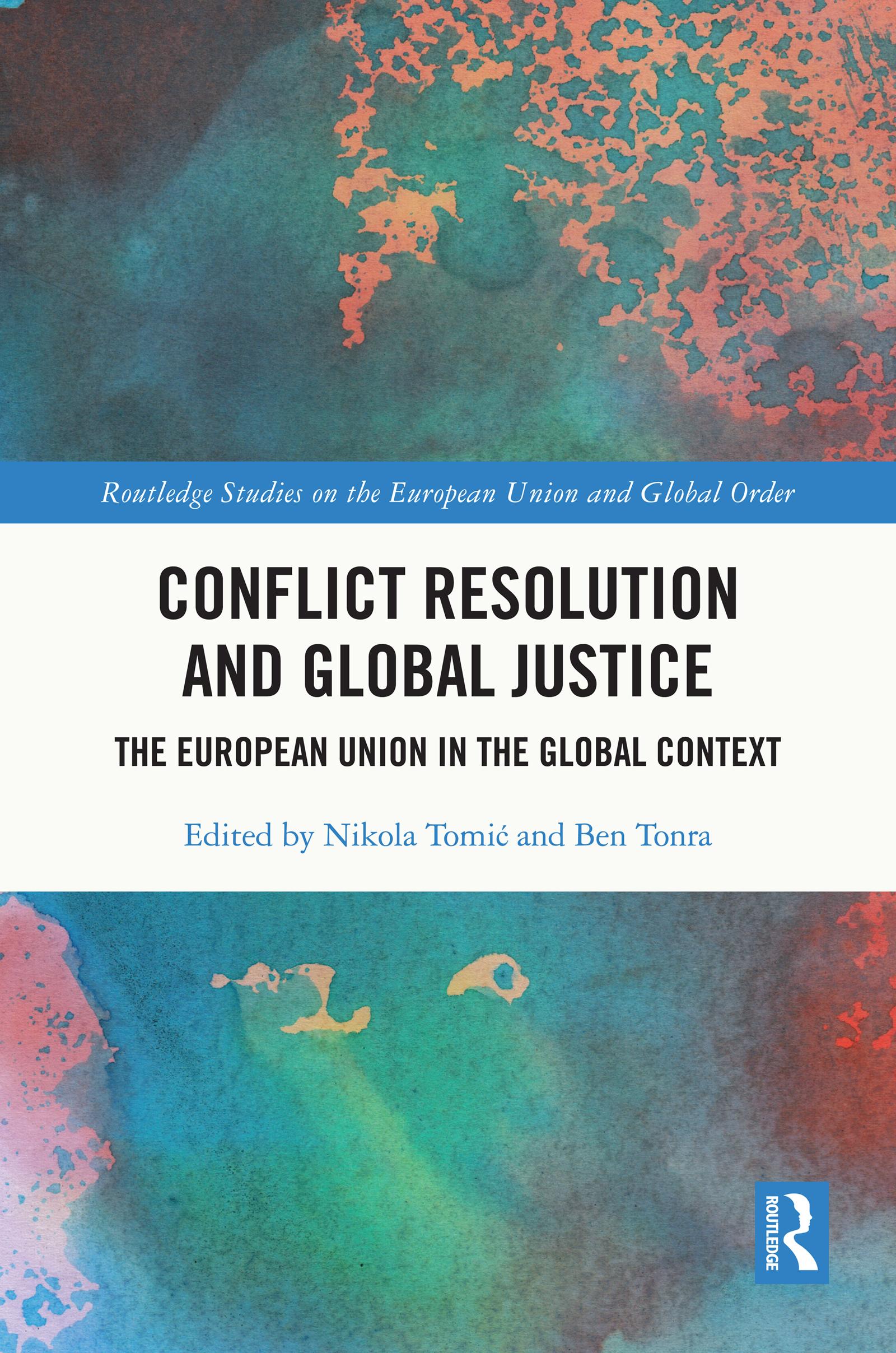
This book examines how the different normative foundations of conflict resolution held by various global actors, their understandings of justice, and the differences between types of conflict influence the varying means by which conflicts can be prevented, managed, and ultimately resolved.
By combining insights from political theory, conflict studies, and European Union (EU) foreign policy studies, the book identifies the EU as the key case of a conflict manager that is both a product and a defender of a global liberal order. It focuses on three aspects of conflict resolution that pose their own sets of both normative and empirical dilemmas: resolving border disputes; strengthening the resilience of weak or divided states and societies after regime change, and intervention in humanitarian crises. Furthermore, it offers a comparative analysis between a potentially distinctive European approach and that of other global actors and reflects critically on situations where policy practice may not always reflect a concern for justice, asking what countervailing forces prevail and why.
This book will be of key interest to scholars and students in European and EU Studies, Area studies, Conflict Resolution, War Studies, EU Foreign Policy Political Theory, International relations as well as policymakers.
Paga fácilmente con tarjeta, Klarna, Apple Pay o Google Pay. ¿No estás contento? Siempre tienes 14 días de garantía de devolución. Lee más en nuestros términos. Si tienes preguntas, escríbenos a hello@memmo.org.
Memmo hace que estudiar sea más fácil, estés donde estés. Aquí tienes tus libros de texto y herramientas de estudio inteligentes en un solo lugar: resúmenes, quizzes, podcasts y flashcards. Y también a Ted, tu compañero de estudio que responde a todo lo que te preguntes. Más de 50 000 estudiantes ya estudian aquí. Está hecho para que aprendas más rápido y te estreses menos.