
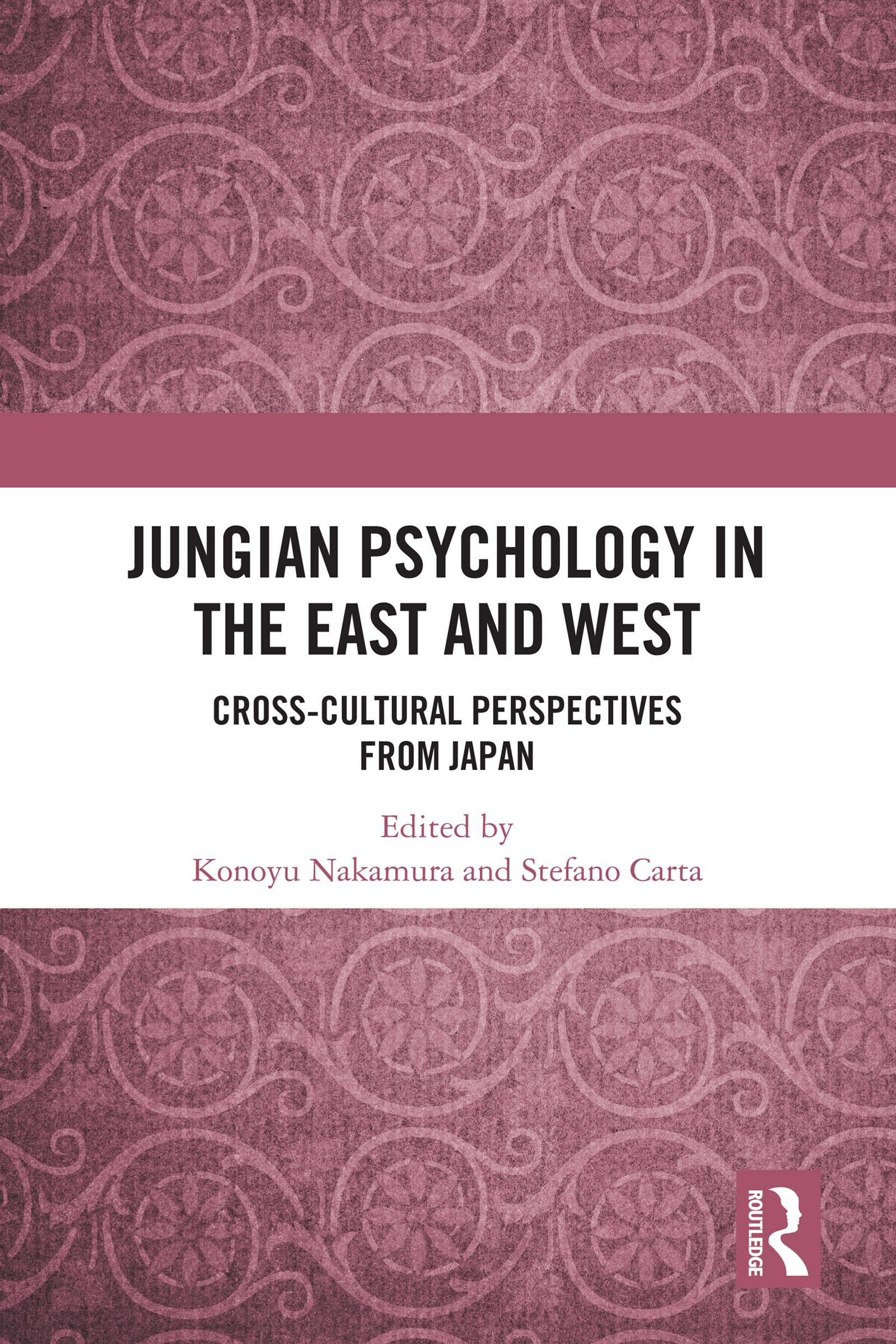
It is well known that Jung’s investigation of Eastern religions and cultures supplied him with an abundance of cross-cultural comparative material, useful to support his hypotheses of the existence of archetypes, the collective unconscious and other manifestations of psychic reality. However, the specific literature dealing with this aspect has previously been quite scarce. This unique edited collection brings together contributors writing on a range of topics that represent an introduction to the differences between Eastern and Western approaches to Jungian psychology.
Readers will discover that one interesting feature of this book is the realization of how much Western Jungians are implicitly or explicitly inspired by Eastern traditions – including Japanese – and, at the same time, how Jungian psychology – the product of a Western author – has been widely accepted and developed by Japanese scholars and clinicians.
Scholars and students of Jungian studies will find many new ideas, theories and practices gravitating around Jungian psychology, generated by the encounter between East and West. Another feature that will be appealing to many readers is that this book may represent an introduction to Japanese philosophy and clinical techniques related to Jungian psychology.
Paga fácilmente con tarjeta, Klarna, Apple Pay o Google Pay. ¿No estás contento? Siempre tienes 14 días de garantía de devolución. Lee más en nuestros términos. Si tienes preguntas, escríbenos a hello@memmo.org.
Memmo hace que estudiar sea más fácil, estés donde estés. Aquí tienes tus libros de texto y herramientas de estudio inteligentes en un solo lugar: resúmenes, quizzes, podcasts y flashcards. Y también a Ted, tu compañero de estudio que responde a todo lo que te preguntes. Más de 50 000 estudiantes ya estudian aquí. Está hecho para que aprendas más rápido y te estreses menos.