
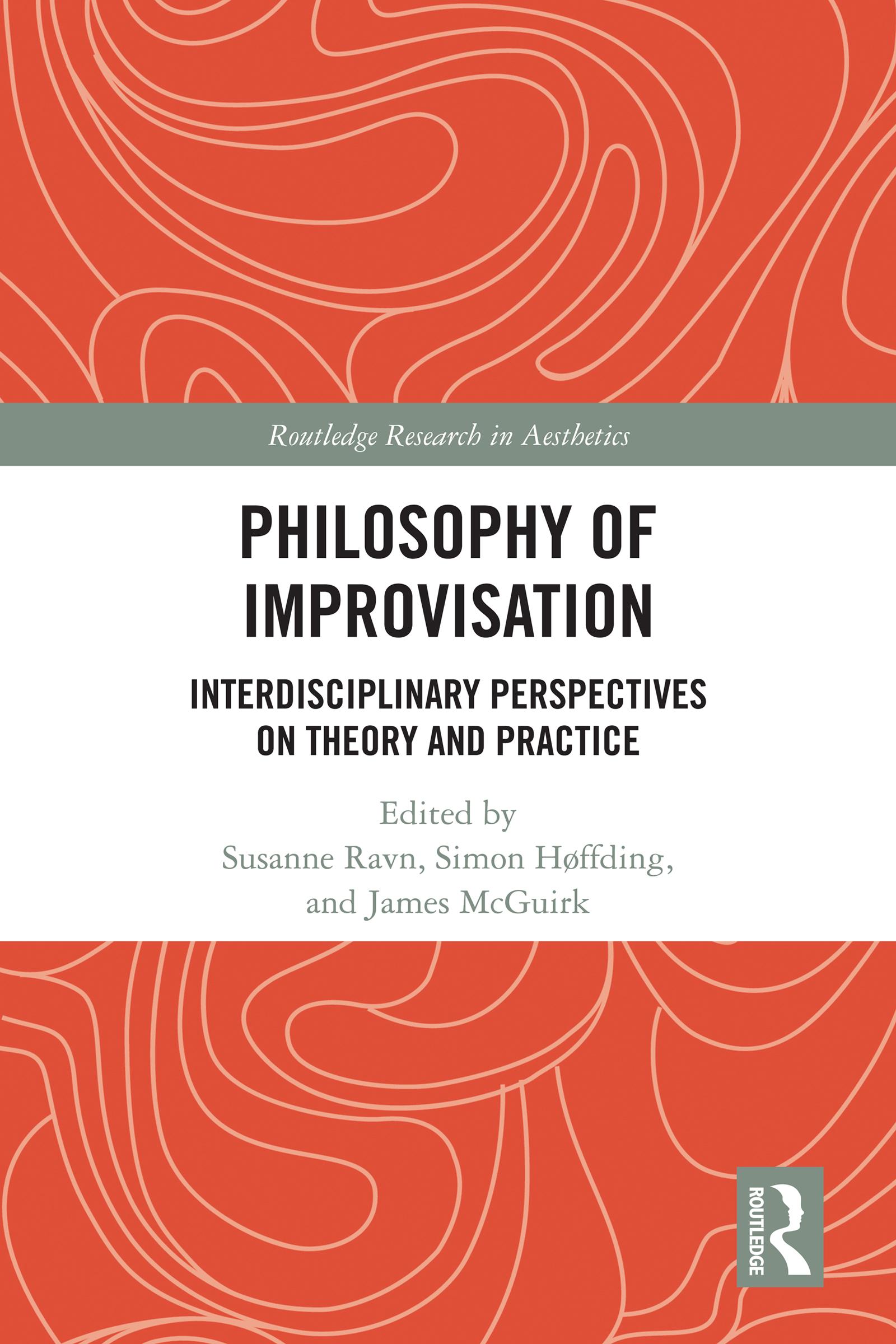
This volume brings together philosophical and interdisciplinary perspectives on improvisation. The contributions connect the theoretical dimensions of improvisation with different viewpoints on its practice in the arts and the classroom.
The chapters address the phenomenon of improvisation in two related ways. On the one hand, they attend to the lived practices of improvisation both within and without the arts in order to explain the phenomenon. They also extend the scope of improvisational practices to include the role of improvisation in habit and in planned action, at both individual and collective levels. Drawing on recent work done in the philosophy of mind, they address questions such as whether improvisation is a single unified phenomenon or whether it entails different senses that can be discerned theoretically and practically. Finally, they ask after the special kind of improvisational expertise which characterizes musicians, dancers, and other practitioners, an expertise marked by the artist’s ability to participate competently in complex situations while deliberately relinquishing control.
Philosophy of Improvisation will appeal to anyone with a strong interest in improvisation, to researchers working in philosophy, aesthetics, and pedagogy as well as practitioners involved in different kinds of music, dance, and theater performances.
Paga fácilmente con tarjeta, Klarna, Apple Pay o Google Pay. ¿No estás contento? Siempre tienes 14 días de garantía de devolución. Lee más en nuestros términos. Si tienes preguntas, escríbenos a hello@memmo.org.
Memmo hace que estudiar sea más fácil, estés donde estés. Aquí tienes tus libros de texto y herramientas de estudio inteligentes en un solo lugar: resúmenes, quizzes, podcasts y flashcards. Y también a Ted, tu compañero de estudio que responde a todo lo que te preguntes. Más de 50 000 estudiantes ya estudian aquí. Está hecho para que aprendas más rápido y te estreses menos.