
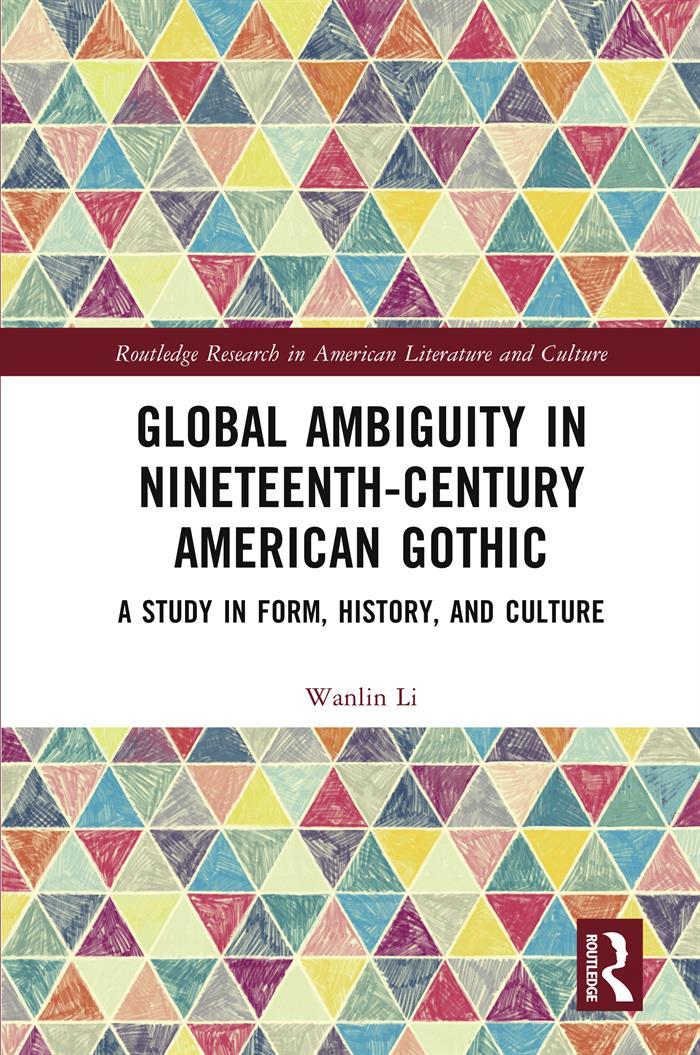
As part of a larger attempt to understand the dynamic interactions between gothic form and ideology, this volume focuses on a strong formal feature of the American gothic, "global ambiguity," and examines the important cultural work it performs in the nineteenth-century history of the genre.
The author defines "global ambiguity" as occurring in texts whose internal evidence supports equally plausible and yet mutually exclusive interpretations. Combining insights from narrative theory and cultural studies, she investigates the narrative origin of global ambiguity and the ways in which it produces culturally meaningful readings. Canonical works and obscure ones from American gothic authors such as Charles Brockden Brown, Edgar Allan Poe, Nathaniel Hawthorne, Herman Melville, Louisa May Alcott, and Henry James are reexamined. This study reveals that the nineteenth-century American gothicists developed the gothic into an aesthetically sophisticated mode that engaged intensely with the pressing problems of American society, including moral citizenship, slavery, and the social status of women, and reimagined social realities in politically constructive manners.
Literary scholars, students, and general readers interested in gothic literature, American literature, or narrative theory will find this book informative and inspiring.
Paga fácilmente con tarjeta, Klarna, Apple Pay o Google Pay. ¿No estás contento? Siempre tienes 14 días de garantía de devolución. Lee más en nuestros términos. Si tienes preguntas, escríbenos a hello@memmo.org.
Memmo hace que estudiar sea más fácil, estés donde estés. Aquí tienes tus libros de texto y herramientas de estudio inteligentes en un solo lugar: resúmenes, quizzes, podcasts y flashcards. Y también a Ted, tu compañero de estudio que responde a todo lo que te preguntes. Más de 50 000 estudiantes ya estudian aquí. Está hecho para que aprendas más rápido y te estreses menos.