
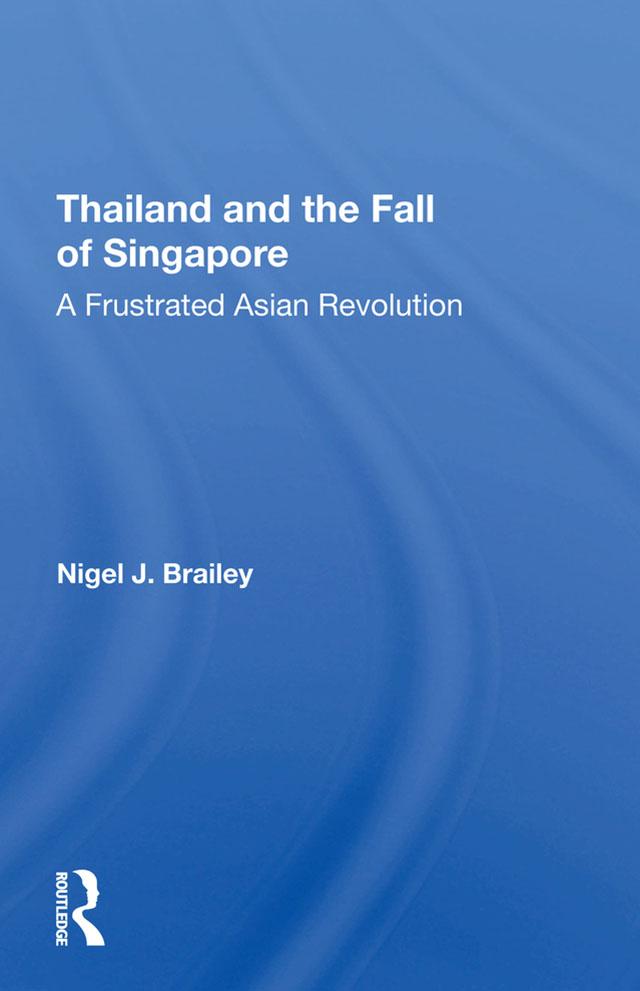
Focusing on the period between 1932 and 1968, this comprehensive study bridges the gap between recent political studies and available historiography, which generally conclude with the 1932 revolution. Dr. Brailey discusses the 1942 Japanese capture of Singapore that dragged a reluctant Thailand into World War II—a war Thai leaders believed was irrelevant to their national interests. He argues that this country, which had launched one of the East's earliest nationalist revolutions, had its political development reversed for a quarter century by the arrival of Japanese troops. Ironically, the Japanese presence in the region enabled most of Thailand's neighbors to promote their own development through decolonization. Dr. Brailey demonstrates that Thailand, once freed from post-war trauma, achieved a level of political freedom unsurpassed in Asia without seriously compromising its stability.
Paga fácilmente con tarjeta, Klarna, Apple Pay o Google Pay. ¿No estás contento? Siempre tienes 14 días de garantía de devolución. Lee más en nuestros términos. Si tienes preguntas, escríbenos a hello@memmo.org.
Memmo hace que estudiar sea más fácil, estés donde estés. Aquí tienes tus libros de texto y herramientas de estudio inteligentes en un solo lugar: resúmenes, quizzes, podcasts y flashcards. Y también a Ted, tu compañero de estudio que responde a todo lo que te preguntes. Más de 50 000 estudiantes ya estudian aquí. Está hecho para que aprendas más rápido y te estreses menos.
También te podría gustar
Comprar el libro0