
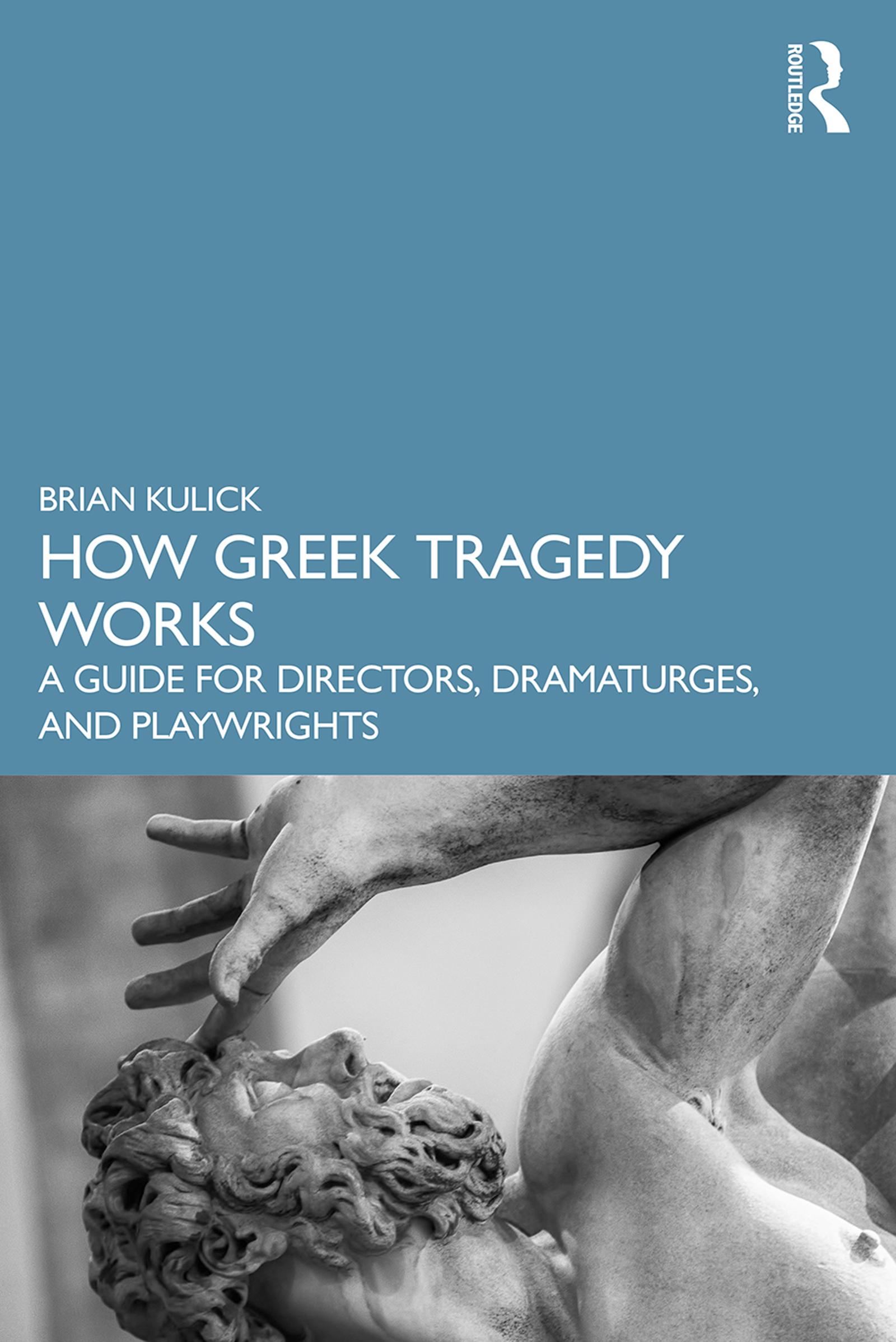
How Greek Tragedy Works is a journey through the hidden meanings and dual nature of Greek tragedy, drawing on its foremost dramatists to bring about a deeper understanding of how and why to engage with these enduring plays.
Brian Kulick dispels the trepidation that many readers feel with regard to classical texts by equipping them with ways in which they can unpack the hidden meanings of these plays. He focuses on three of the key texts of Greek theatre: Aeschylus' Agamemnon, Euripides' The Bacchae, and Sophocles' Electra, and uses them to tease out the core principles of the theatre-making and storytelling impulses. By encouraging us to read between the lines like this, he also enables us to read these and other Greek tragedies as artists' manifestos, equipping us not only to understand tragedy itself, but also to interpret what the great playwrights had to say about the nature of plays and drama.
This is an indispensable guide for anyone who finds themselves confronted with tackling the Greek classics, whether as a reader, scholar, student, or director.
Paga fácilmente con tarjeta, Klarna, Apple Pay o Google Pay. ¿No estás contento? Siempre tienes 14 días de garantía de devolución. Lee más en nuestros términos. Si tienes preguntas, escríbenos a hello@memmo.org.
Memmo hace que estudiar sea más fácil, estés donde estés. Aquí tienes tus libros de texto y herramientas de estudio inteligentes en un solo lugar: resúmenes, quizzes, podcasts y flashcards. Y también a Ted, tu compañero de estudio que responde a todo lo que te preguntes. Más de 50 000 estudiantes ya estudian aquí. Está hecho para que aprendas más rápido y te estreses menos.