
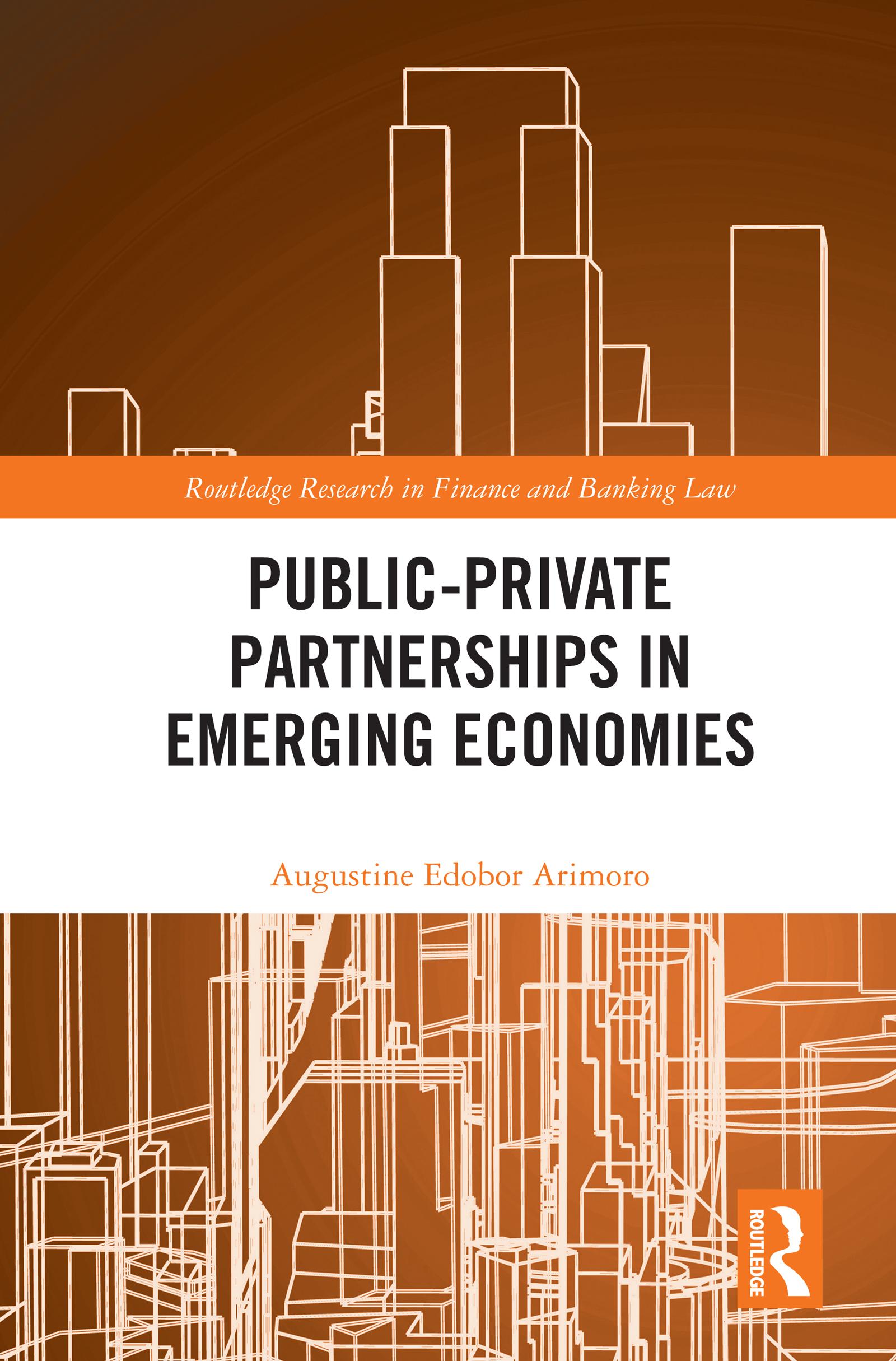
Over the years, a shortage of funds has resulted in a huge deficit in government budgets for infrastructure, especially in developing economies. It is no longer feasible for governments to bear the entire burden of funding public infrastructure. Given that an inadequate supply of public infrastructure poses a challenge for the economic development of any country, partnerships with the private sector to fund public infrastructure procurement has started to be relied on as an alternative to traditional public procurement. Public-Private Partnerships are an arrangement that allow private entities to fund, design, manage and operate public infrastructure for a term in exchange for the payment of tolls by users or the government may well be the solution to the infrastructure crisis in many developing economies.
This book examines the role of law in the adoption, implementation and regulation of Public-Private Partnership in selected developing economies including Brazil, India, Nigeria and South Africa to address how to deal with overlapping laws and how the law can protect assets invested in PPP in order to attract private sector interests in infrastructure financing in developing market, showing how law can be used to create, sustain and promote PPP frameworks that take into account local circumstances in developing economies.
Paga fácilmente con tarjeta, Klarna, Apple Pay o Google Pay. ¿No estás contento? Siempre tienes 14 días de garantía de devolución. Lee más en nuestros términos. Si tienes preguntas, escríbenos a hello@memmo.org.
Memmo hace que estudiar sea más fácil, estés donde estés. Aquí tienes tus libros de texto y herramientas de estudio inteligentes en un solo lugar: resúmenes, quizzes, podcasts y flashcards. Y también a Ted, tu compañero de estudio que responde a todo lo que te preguntes. Más de 50 000 estudiantes ya estudian aquí. Está hecho para que aprendas más rápido y te estreses menos.