
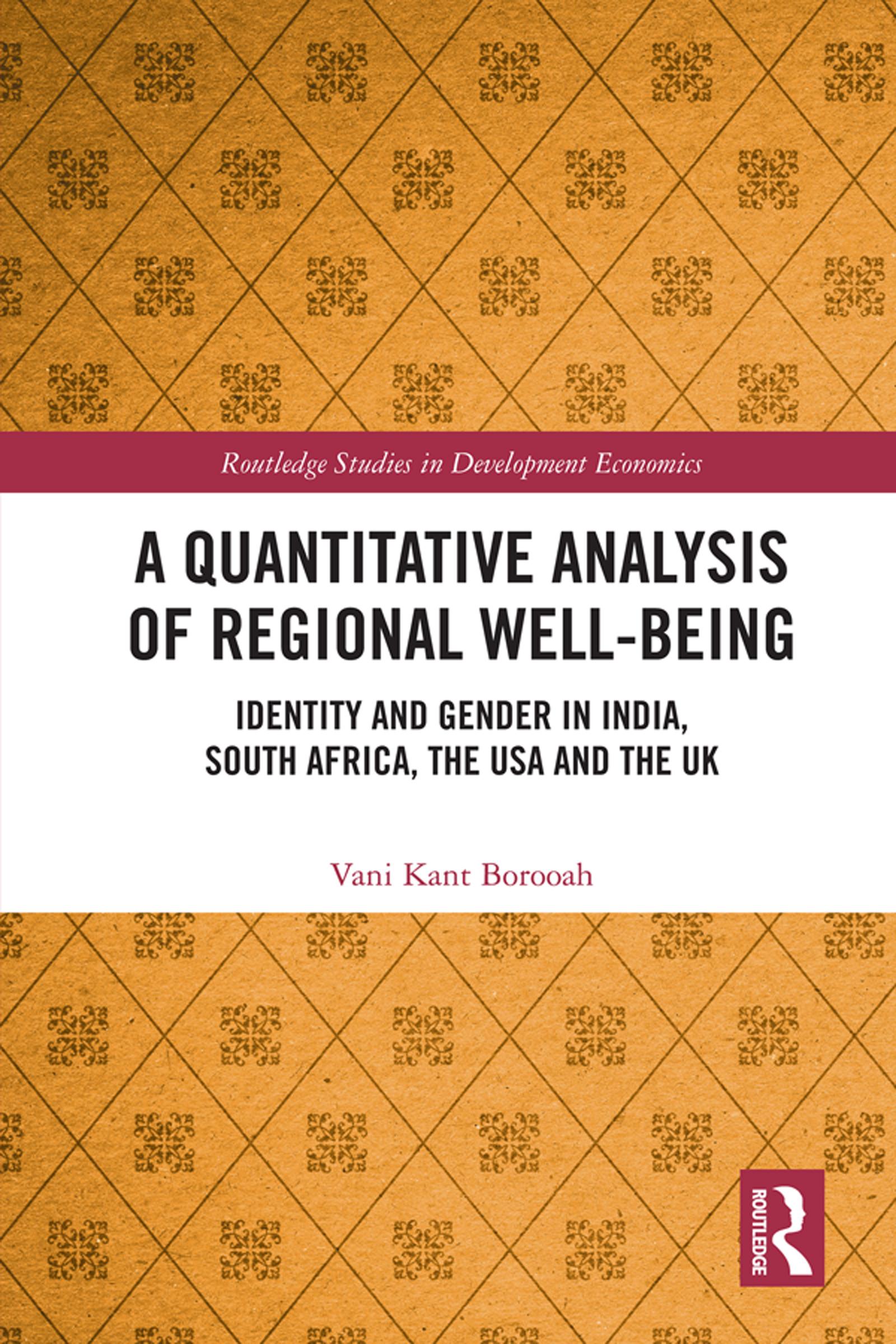
Using data from the World Values Survey, this book sheds light on the link between happiness and the social group to which one belongs. The work is based on a rigorous statistical analysis of differences in the probability of happiness and life satisfaction between the predominant social group and subordinate groups.
The cases of India and South Africa receive deep attention in dedicated chapters on cast and race, with other chapters considering issues such as cultural bias, religion, patriarchy, and gender. An additional chapter offers a global perspective. On top of this, the longitudinal nature of the data facilitates an examination of how world happiness has evolved between 1994 and 2014.
This book will be a valuable reference for advanced students, scholars and policymakers involved in development economics, well-being, development geography, and sociology.
Paga fácilmente con tarjeta, Klarna, Apple Pay o Google Pay. ¿No estás contento? Siempre tienes 14 días de garantía de devolución. Lee más en nuestros términos. Si tienes preguntas, escríbenos a hello@memmo.org.
Memmo hace que estudiar sea más fácil, estés donde estés. Aquí tienes tus libros de texto y herramientas de estudio inteligentes en un solo lugar: resúmenes, quizzes, podcasts y flashcards. Y también a Ted, tu compañero de estudio que responde a todo lo que te preguntes. Más de 50 000 estudiantes ya estudian aquí. Está hecho para que aprendas más rápido y te estreses menos.