
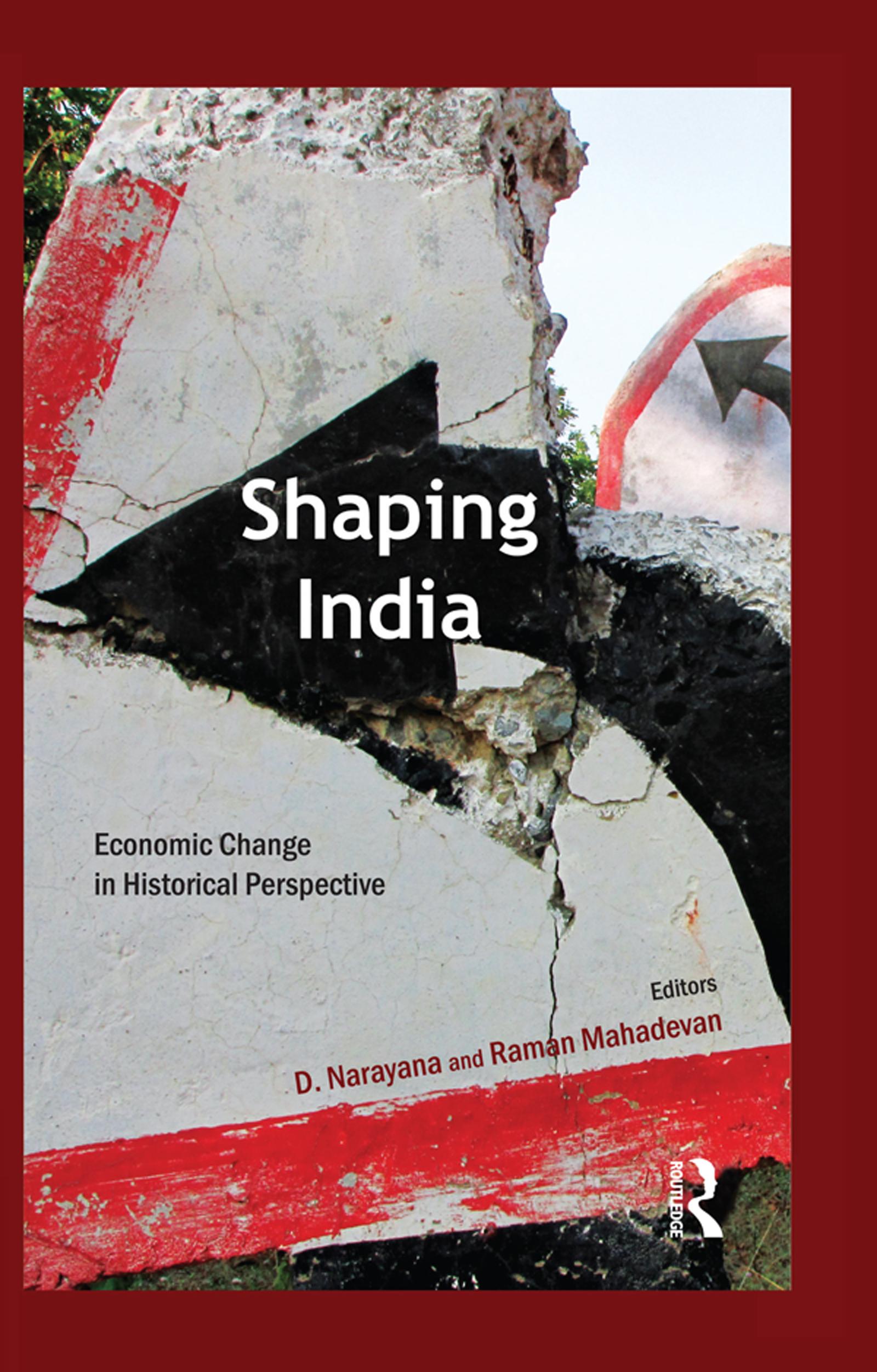
This volume seeks to unravel and contextualize the so-called dichotomy of ‘old’ and ‘new’ India and what binds them together. To understand this complex process, it attempts to apply a long-term historical perspective, a different conception of the economy and cross-disciplinary approaches.
The exceptional feature of this volume is the large historical canvas of essays and its sensitivity to the regional dimension in a country as large and diverse as India. They deal with issues ranging from land and agriculture, entrepreneurship, industry and demographic trends to a critical anatomy of modern Indian economic historiography. Together these essays contribute in providing significantly new and enriching insights into the complex process of transition from colonial to post-colonial economic development. There has been a conscious effort in most cases to capture the influence of the colonial economic structures and processes in shaping the trajectory of growth and development in the post-independence period. Drawing upon a large amount of extremely rich and varied data and information on the socio-economic trends, the book is lucid, well-crafted and reader-friendly.
Paga fácilmente con tarjeta, Klarna, Apple Pay o Google Pay. ¿No estás contento? Siempre tienes 14 días de garantía de devolución. Lee más en nuestros términos. Si tienes preguntas, escríbenos a hello@memmo.org.
Memmo hace que estudiar sea más fácil, estés donde estés. Aquí tienes tus libros de texto y herramientas de estudio inteligentes en un solo lugar: resúmenes, quizzes, podcasts y flashcards. Y también a Ted, tu compañero de estudio que responde a todo lo que te preguntes. Más de 50 000 estudiantes ya estudian aquí. Está hecho para que aprendas más rápido y te estreses menos.