
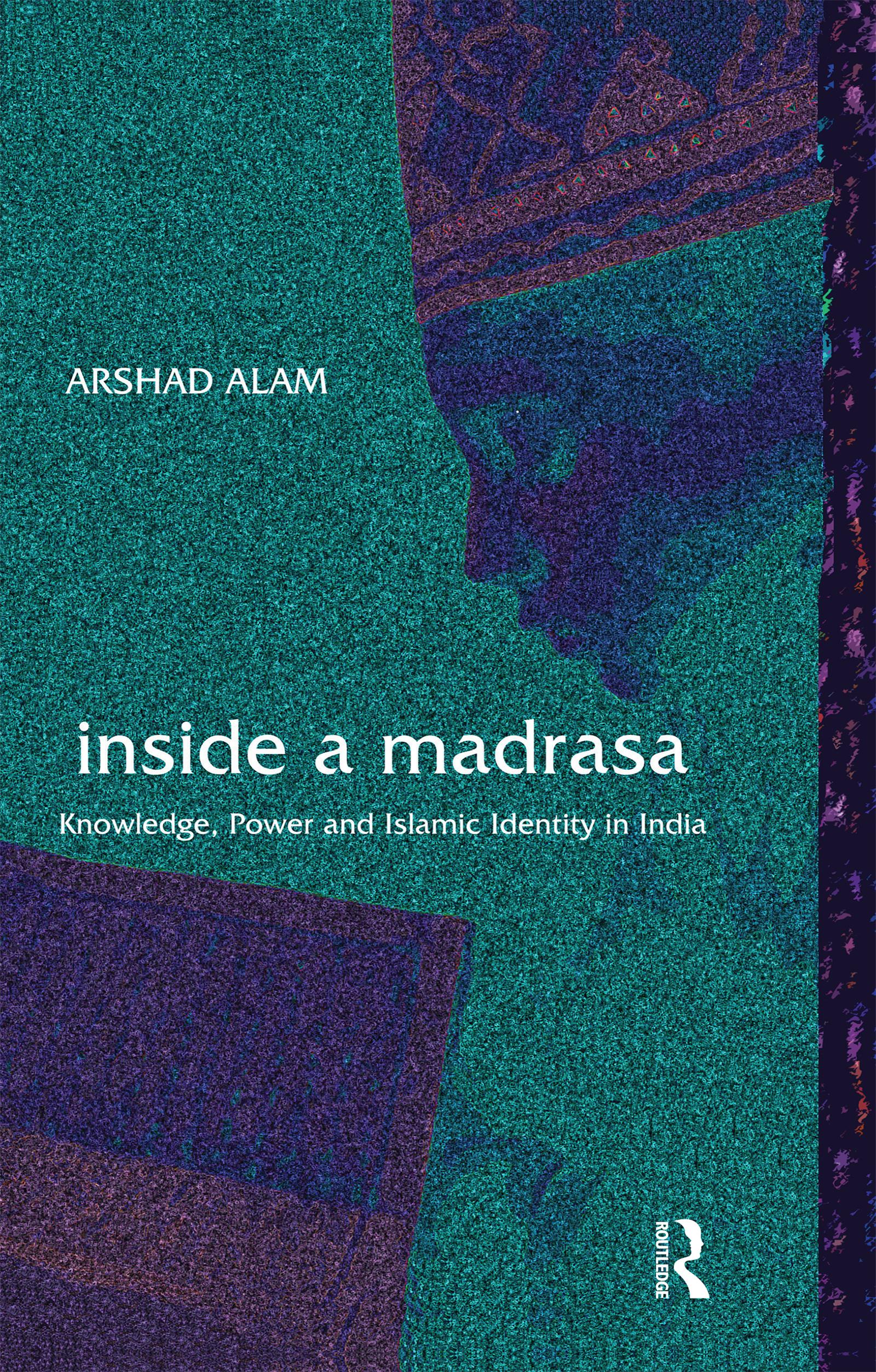
While there exists scholarly works on madrasas in India during medieval times and the colonial period, there is hardly anything on the conditions of madrasas today, and those are by and large based on secondary literature and not grounded in detailed empirical investigation. This work, through ethnographic study undertaken at two madrasas in Mubarakpur in Uttar Pradesh, shows how Indian madrasas represent a diverse array of ideological orientations which is mostly opposed to each other’s interpretation of Islam. If madrasas are about the dissemination of Islamic knowledge, then they also problematize and compete over how best to approach that knowledge; in the process they create and sustain a wide variety of possible interpretations of Islam. This volume will be of interest to scholars and researchers interested in the study of Islam and Indian Muslims. Since it is multidisciplinary in approach, it will find space within the disciplines of sociology, social anthropolgy, history and contemporary studies.
Paga fácilmente con tarjeta, Klarna, Apple Pay o Google Pay. ¿No estás contento? Siempre tienes 14 días de garantía de devolución. Lee más en nuestros términos. Si tienes preguntas, escríbenos a hello@memmo.org.
Memmo hace que estudiar sea más fácil, estés donde estés. Aquí tienes tus libros de texto y herramientas de estudio inteligentes en un solo lugar: resúmenes, quizzes, podcasts y flashcards. Y también a Ted, tu compañero de estudio que responde a todo lo que te preguntes. Más de 50 000 estudiantes ya estudian aquí. Está hecho para que aprendas más rápido y te estreses menos.