
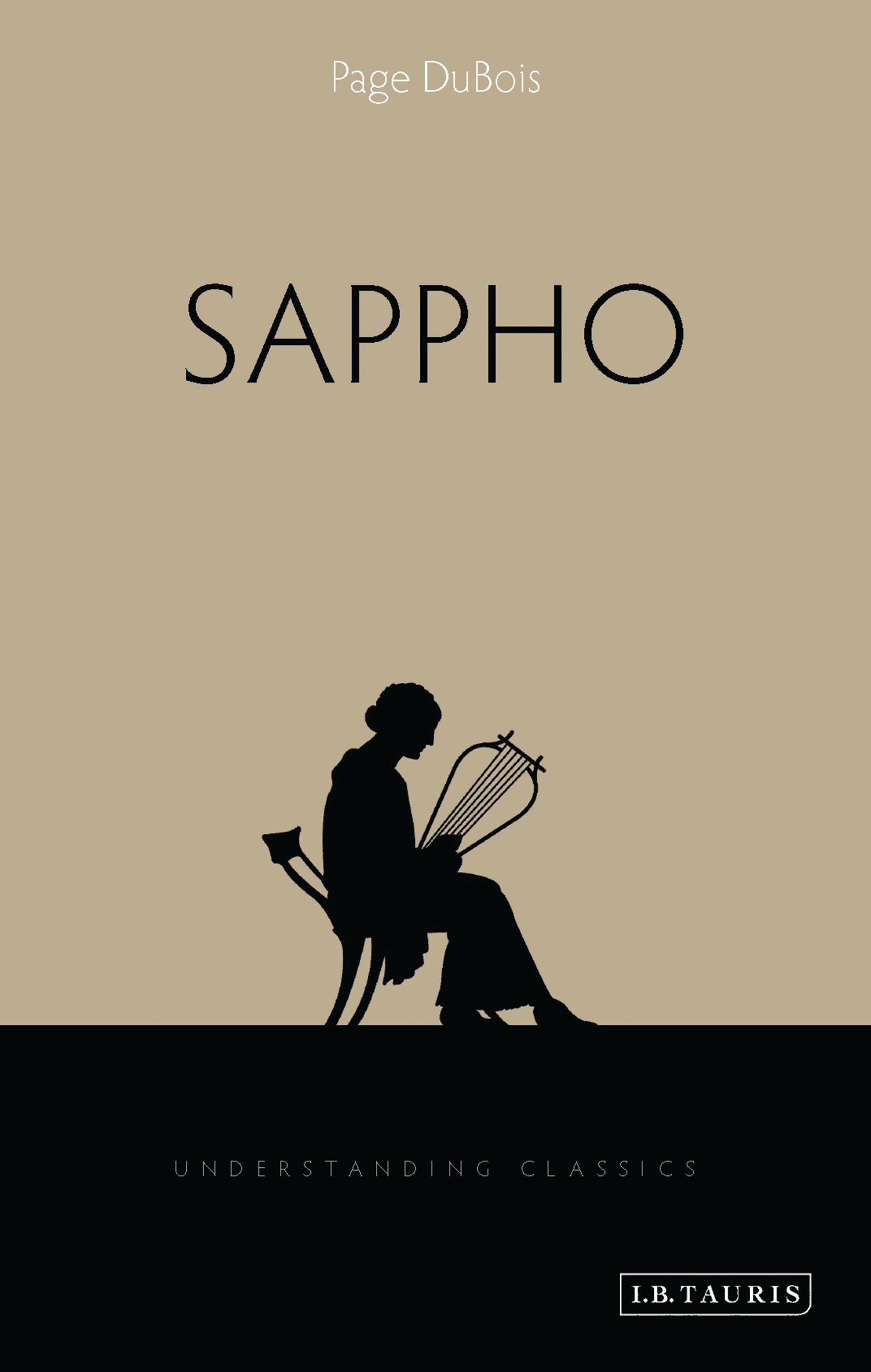
Sappho has been constructed as many things: proto-feminist, lesbian icon and even - by the Victorians - chaste headmistress of a girls' finishing school. Yet ironically, as Page DuBois shows, the historical poet herself remains elusive. We know that Sappho's contemporary Alcaeus described her as 'violet, pure, honey-smiling Sappho'; and that the rhetorician and philosopher Maximus of Tyre saw her, perhaps less enthusiastically, as 'small and dark'. We also know that her 7th/6th century BCE island of Lesbos was riven by tyrannical and aristocratic factionalism and that she was probably exiled to Sicily. Much of the rest is speculative. DuBois suggests that the value of Sappho lies elsewhere: in her remarkable verse, and in the poet's reception - one of the richest of any figure from antiquity. Offering nuanced readings of the poems, written in an archaic Aeolic dialect, DuBois skillfully draws out their sharp images and rhythmic melody. She further discusses the exciting discovery of a new verse fragment in 2004, and the ways in which Sappho influenced Catullus, Horace and Ovid, as well as later writers and painters.
Paga fácilmente con tarjeta, Klarna, Apple Pay o Google Pay. ¿No estás contento? Siempre tienes 14 días de garantía de devolución. Lee más en nuestros términos. Si tienes preguntas, escríbenos a hello@memmo.org.
Memmo hace que estudiar sea más fácil, estés donde estés. Aquí tienes tus libros de texto y herramientas de estudio inteligentes en un solo lugar: resúmenes, quizzes, podcasts y flashcards. Y también a Ted, tu compañero de estudio que responde a todo lo que te preguntes. Más de 50 000 estudiantes ya estudian aquí. Está hecho para que aprendas más rápido y te estreses menos.