
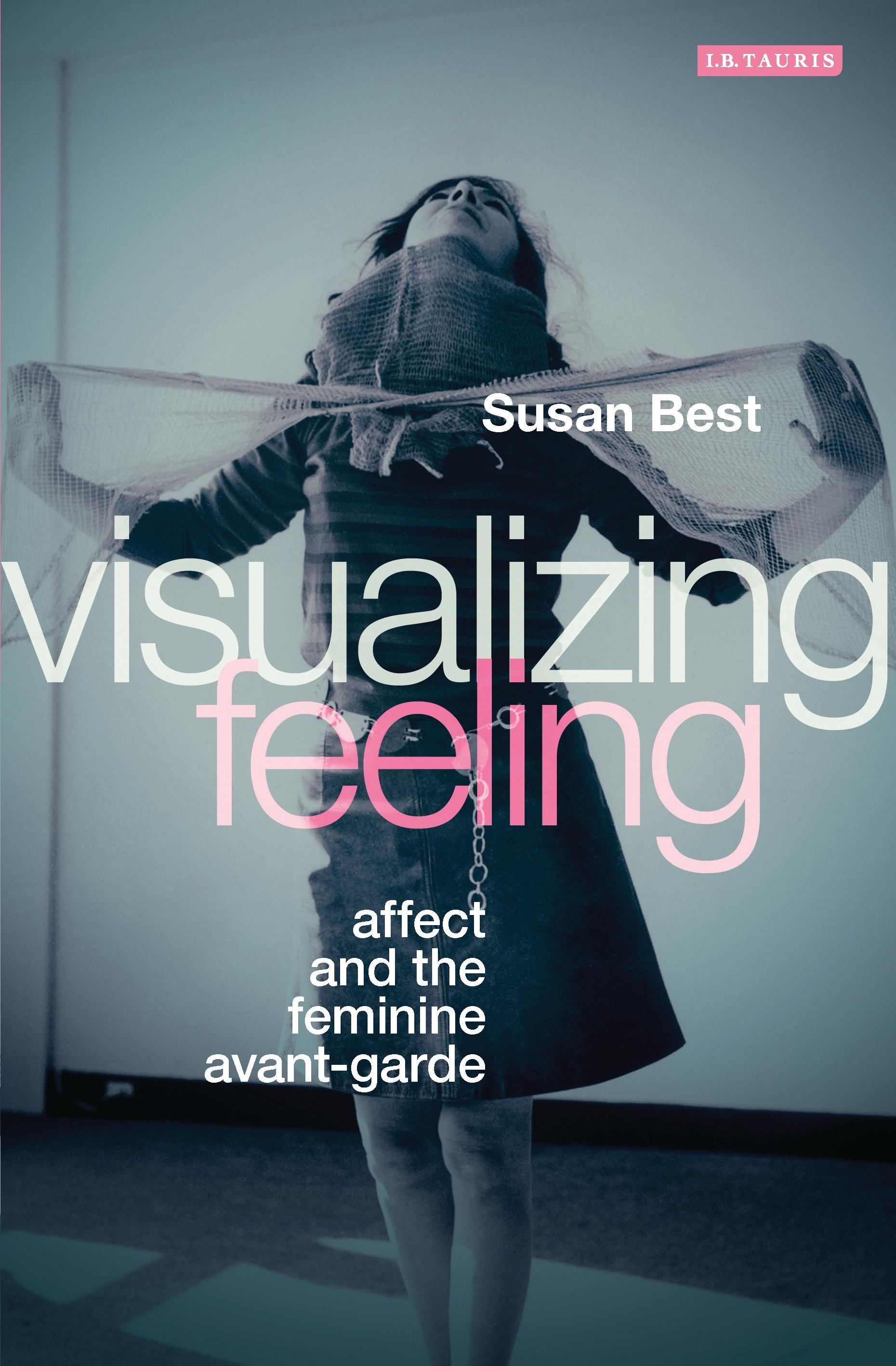
Is late modern art 'anti-aesthetic'? What does it mean to label a piece of art 'affectless'? These traditional characterisations of 1960s and 1970s art are radically challenged in this subversive art history. By introducing feeling to the analysis of this period, Susan Best acknowledges the radical and exploratory nature of art in late modernism. Her book focuses on four highly influential female artists - Eva Hesse, Lygia Clark, Ana Mendieta and Theresa Hak Kyung Cha - and it explores how their art transformed established avant-garde protocols by introducing an affective dimension. This aspect of their work, while often noted, has never before been analysed in detail. Visualizing Feeling also addresses a methodological blind spot in art history: the interpretation of feeling, emotion and affect. It demonstrates that the affective dimension, alongside other materials and methods of art, is part of the artistic means of production and innovation. This is the first thorough re-appraisal of aesthetic engagement with affect in post-1960s art.
The book also extends and enlarges the applications of psychoanalytic theory to art history. Susan Best draws on a rich array of psychologists and psychoanalytic thinkers such as: André Green, Sarah Kofman, Melanie Klein, Donald Winnicott, Ignacio Matte-Blanco, Silvan Tomkins and Daniel Stern. In addition, key aesthetic ideas and concepts are interrogated, including expressive theories of art, beauty and the sublime, and embodied responses to art.
By creatively re-evaluating late modern art, Susan Best offers a new way of thinking about subjectivity and feeling which acknowledges and celebrates the achievements of the feminine avant-garde.
The book also extends and enlarges the applications of psychoanalytic theory to art history. Susan Best draws on a rich array of psychologists and psychoanalytic thinkers such as: André Green, Sarah Kofman, Melanie Klein, Donald Winnicott, Ignacio Matte-Blanco, Silvan Tomkins and Daniel Stern. In addition, key aesthetic ideas and concepts are interrogated, including expressive theories of art, beauty and the sublime, and embodied responses to art.
By creatively re-evaluating late modern art, Susan Best offers a new way of thinking about subjectivity and feeling which acknowledges and celebrates the achievements of the feminine avant-garde.
Paga fácilmente con tarjeta, Klarna, Apple Pay o Google Pay. ¿No estás contento? Siempre tienes 14 días de garantía de devolución. Lee más en nuestros términos. Si tienes preguntas, escríbenos a hello@memmo.org.
Memmo hace que estudiar sea más fácil, estés donde estés. Aquí tienes tus libros de texto y herramientas de estudio inteligentes en un solo lugar: resúmenes, quizzes, podcasts y flashcards. Y también a Ted, tu compañero de estudio que responde a todo lo que te preguntes. Más de 50 000 estudiantes ya estudian aquí. Está hecho para que aprendas más rápido y te estreses menos.