
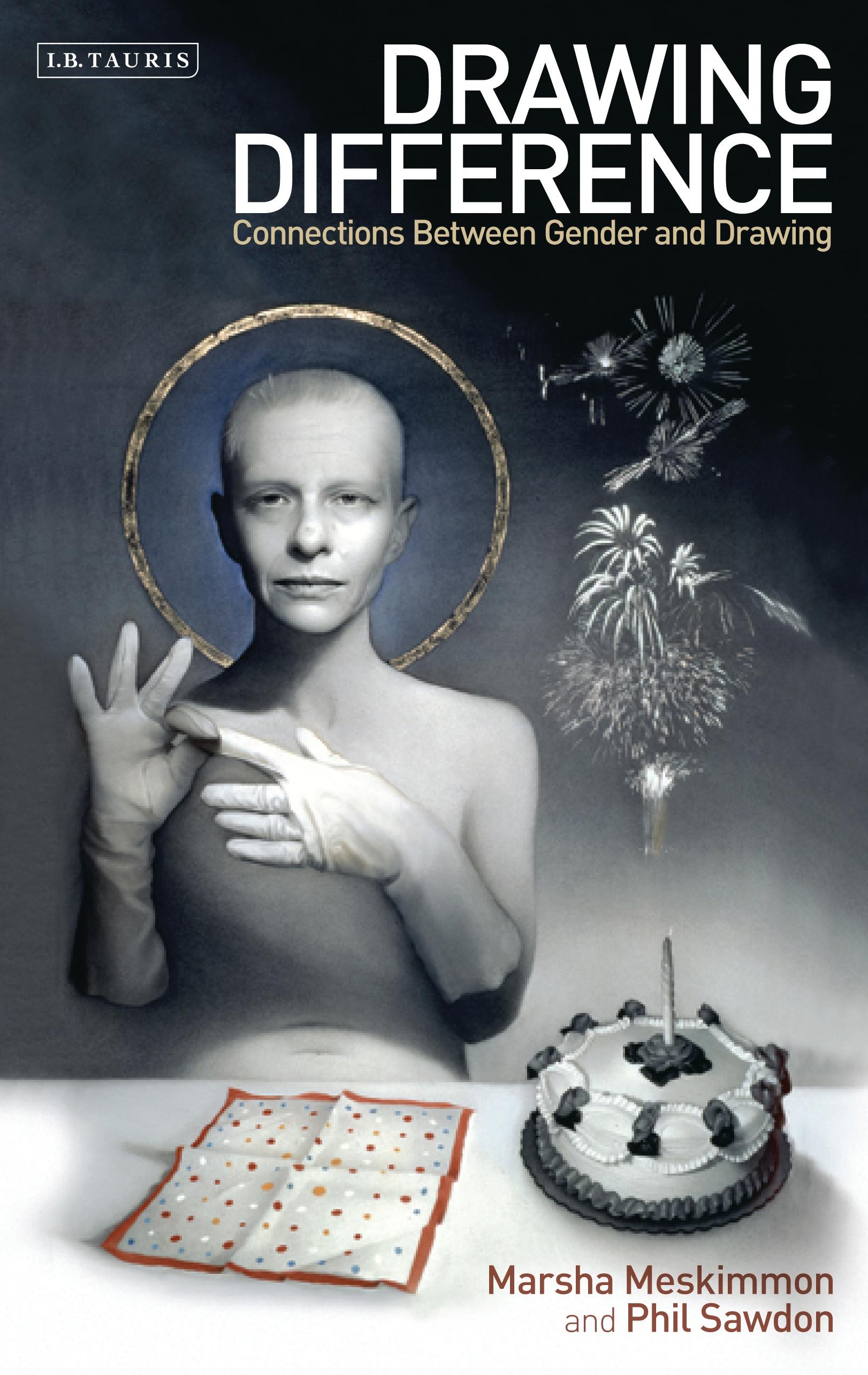
Drawing has been growing in recognition and stature within contemporary fine art since the mid-1970s. Simultaneously, feminist activism has been widespread, leading to the increased prominence of women artists, scholars, critics and curators and the wide acknowledgement of the crucial role played by gender and sexual difference in constituting the subject. Drawing Difference argues that these developments did not occur in parallel simply by coincidence. Rather, the intimate interplay between drawing and feminism is best characterised as allotropic a term originating in chemistry that describes a single pure element which nevertheless assumes varied physical structures, denoting the fundamental affinities which underlie apparently differing material forms. The book takes as its starting point three works from the 1970s by Annette Messager, Dorothea Rockburne and Carolee Schneeman, that are used to exemplify critical developments in feminist art history and key moments for drawing as a means of expression.
Throughout the chapters, these works are further explored in relation to the contemporary drawing practices of Marco Maggi, Sian Bowen, Susan Hauptmann, Cornelia Parker, Christoph Fink and Toba Kheedori. Their works are shown to be (re)iterative sites where mark-making differs with each appearance yet retains certain essential features. Dividing its analysis into the themes Approaching, Tropes and Coinciding, the book analyses how both drawing and feminist discourse emphasise dialogue, matter and openness. It demonstrates how sexual difference, subjectivity and drawing are connected at an elemental level and thus how drawing has played a vital role in the articulation of the material and conceptual dynamics of feminism."
Throughout the chapters, these works are further explored in relation to the contemporary drawing practices of Marco Maggi, Sian Bowen, Susan Hauptmann, Cornelia Parker, Christoph Fink and Toba Kheedori. Their works are shown to be (re)iterative sites where mark-making differs with each appearance yet retains certain essential features. Dividing its analysis into the themes Approaching, Tropes and Coinciding, the book analyses how both drawing and feminist discourse emphasise dialogue, matter and openness. It demonstrates how sexual difference, subjectivity and drawing are connected at an elemental level and thus how drawing has played a vital role in the articulation of the material and conceptual dynamics of feminism."
Paga fácilmente con tarjeta, Klarna, Apple Pay o Google Pay. ¿No estás contento? Siempre tienes 14 días de garantía de devolución. Lee más en nuestros términos. Si tienes preguntas, escríbenos a hello@memmo.org.
Memmo hace que estudiar sea más fácil, estés donde estés. Aquí tienes tus libros de texto y herramientas de estudio inteligentes en un solo lugar: resúmenes, quizzes, podcasts y flashcards. Y también a Ted, tu compañero de estudio que responde a todo lo que te preguntes. Más de 50 000 estudiantes ya estudian aquí. Está hecho para que aprendas más rápido y te estreses menos.