
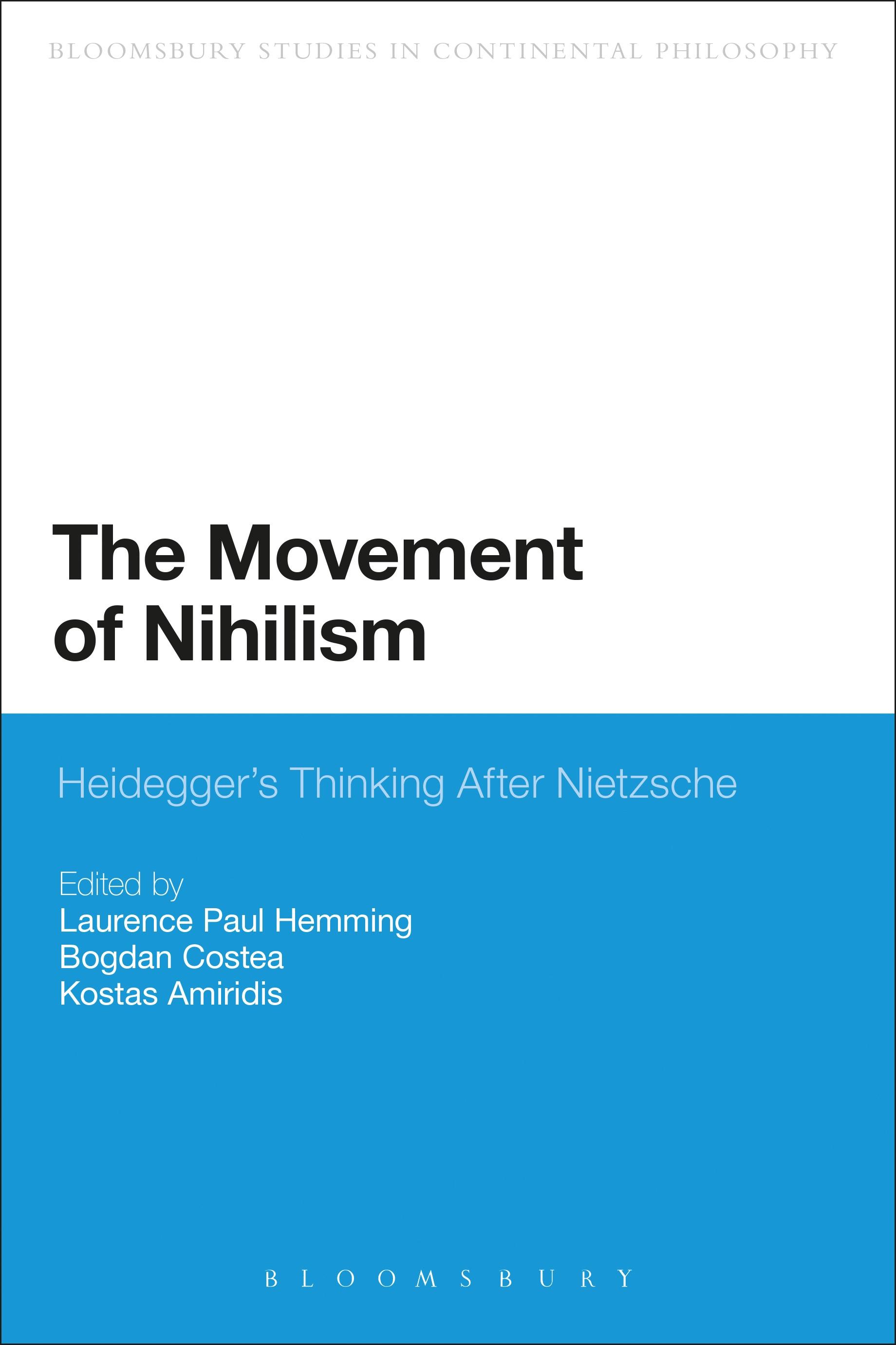
When Nietzsche announced 'the advent of nihilism' in 1887/88, he argued that he was sketching 'the history of the next two centuries': 'For some time now', he wrote, 'our whole European culture has been moving as toward catastrophe [...]: restlessly, violently, headlong, like a river that want to reach the end, that no longer reflects, that is afraid to reflect.'
Can we gain a ground for reflection upon our own condition? Can we heed Nietzsche's warning? Can we respond to the challenge? In this book, eleven newly commissioned essays from leading scholars offer an attempt to grasp Nietzsche's prescience through Heidegger's critique of it; attempting to think through the philosophical consequences of the last century in reading the signs of our own condition. The book also provides and fascinating and unique discussion of some of the lesser-known texts of the later Heidegger.
Can we gain a ground for reflection upon our own condition? Can we heed Nietzsche's warning? Can we respond to the challenge? In this book, eleven newly commissioned essays from leading scholars offer an attempt to grasp Nietzsche's prescience through Heidegger's critique of it; attempting to think through the philosophical consequences of the last century in reading the signs of our own condition. The book also provides and fascinating and unique discussion of some of the lesser-known texts of the later Heidegger.
Paga fácilmente con tarjeta, Klarna, Apple Pay o Google Pay. ¿No estás contento? Siempre tienes 14 días de garantía de devolución. Lee más en nuestros términos. Si tienes preguntas, escríbenos a hello@memmo.org.
Memmo hace que estudiar sea más fácil, estés donde estés. Aquí tienes tus libros de texto y herramientas de estudio inteligentes en un solo lugar: resúmenes, quizzes, podcasts y flashcards. Y también a Ted, tu compañero de estudio que responde a todo lo que te preguntes. Más de 50 000 estudiantes ya estudian aquí. Está hecho para que aprendas más rápido y te estreses menos.