
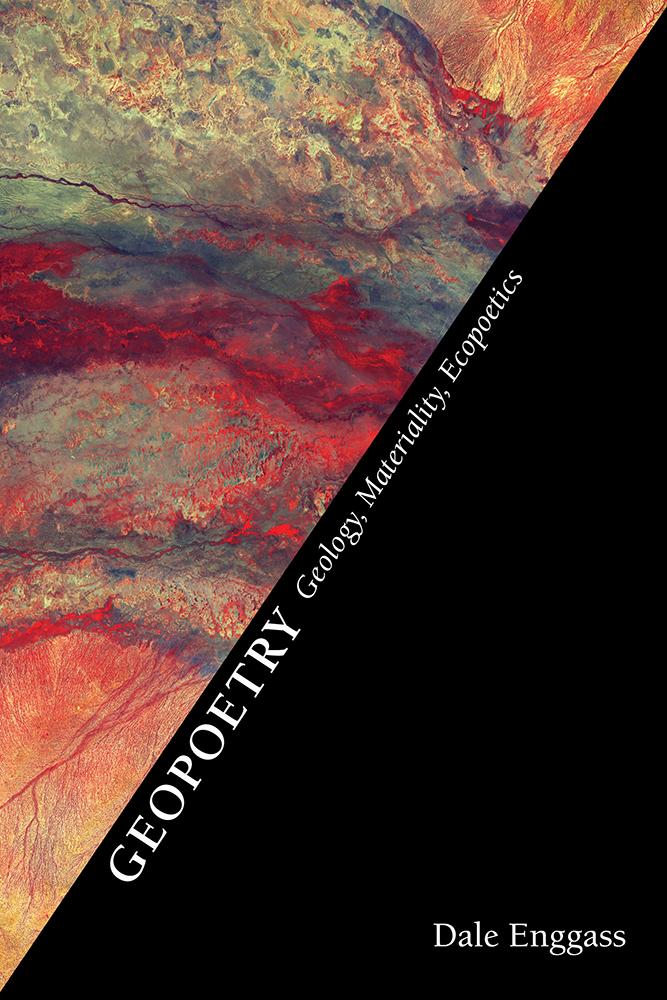
At its core, geopoetics proposes that a connection between language and geology has become a significant development in post–World War II poetics. In Geopoetry, Dale Enggass argues that certain literary works enact geologic processes, such as erosion and deposition, and thereby suggest that language itself is a geologic––and not a solely human-based––process. Elements of language extend past human control and open onto an inhuman dimension, which raises the question of how literary works approach the representation of nonhuman realms. Enggass examines the work of Clark Coolidge, Robert Smithson, Ed Dorn, Maggie O’Sullivan, Jeremy Prynne, Jen Bervin, Christian Bök, and Steve McCaffery, and he finds that while many of these authors are not traditionally connected to ecocritical writing, their innovations are central to ecocritical concerns. In treating language as a geological material, these authors interrogate the boundary between human and nonhuman realms and offer a model for a complex literary engagement with the Anthropocene.
Paga fácilmente con tarjeta, Klarna, Apple Pay o Google Pay. ¿No estás contento? Siempre tienes 14 días de garantía de devolución. Lee más en nuestros términos. Si tienes preguntas, escríbenos a hello@memmo.org.
Memmo hace que estudiar sea más fácil, estés donde estés. Aquí tienes tus libros de texto y herramientas de estudio inteligentes en un solo lugar: resúmenes, quizzes, podcasts y flashcards. Y también a Ted, tu compañero de estudio que responde a todo lo que te preguntes. Más de 50 000 estudiantes ya estudian aquí. Está hecho para que aprendas más rápido y te estreses menos.