
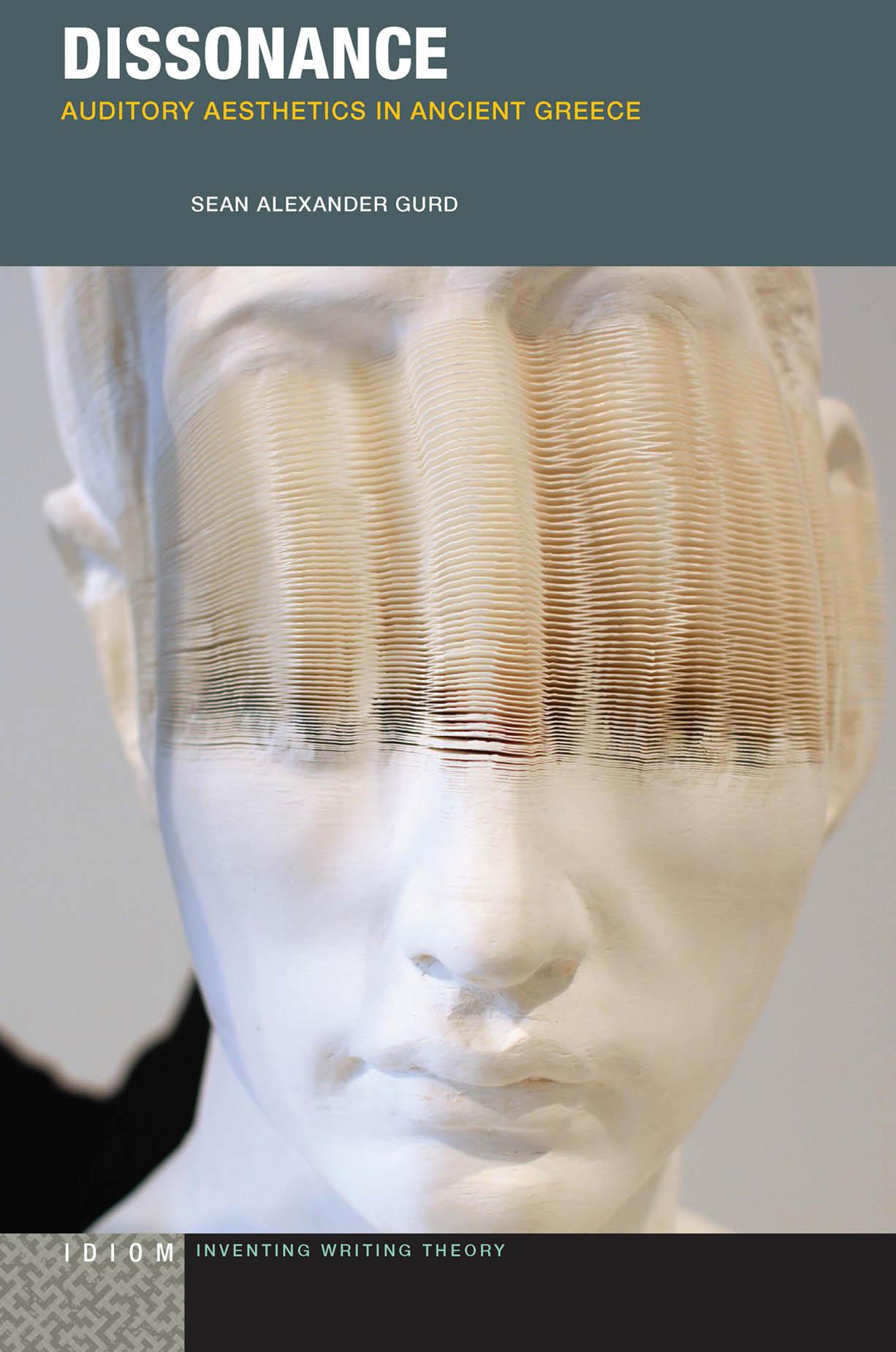
In the four centuries leading up to the death of Euripides, Greek singers, poets, and theorists delved deeply into auditory experience. They charted its capacity to develop topologies distinct from those of the other senses; contemplated its use as a communicator of information; calculated its power to express and cause extreme emotion. They made sound too, artfully and self-consciously creating songs and poems that reveled in sonorousness. Dissonance reveals the commonalities between ancient Greek auditory art and the concerns of contemporary sound studies, avant-garde music, and aesthetics, making the argument that “classical” Greek song and drama were, in fact, an early European avant-garde, a proto-exploration of the aesthetics of noise. The book thus develops an alternative to that romantic ideal which sees antiquity as a frozen and silent world.
Paga fácilmente con tarjeta, Klarna, Apple Pay o Google Pay. ¿No estás contento? Siempre tienes 14 días de garantía de devolución. Lee más en nuestros términos. Si tienes preguntas, escríbenos a hello@memmo.org.
Memmo hace que estudiar sea más fácil, estés donde estés. Aquí tienes tus libros de texto y herramientas de estudio inteligentes en un solo lugar: resúmenes, quizzes, podcasts y flashcards. Y también a Ted, tu compañero de estudio que responde a todo lo que te preguntes. Más de 50 000 estudiantes ya estudian aquí. Está hecho para que aprendas más rápido y te estreses menos.
También te podría gustar
Comprar el libro0