
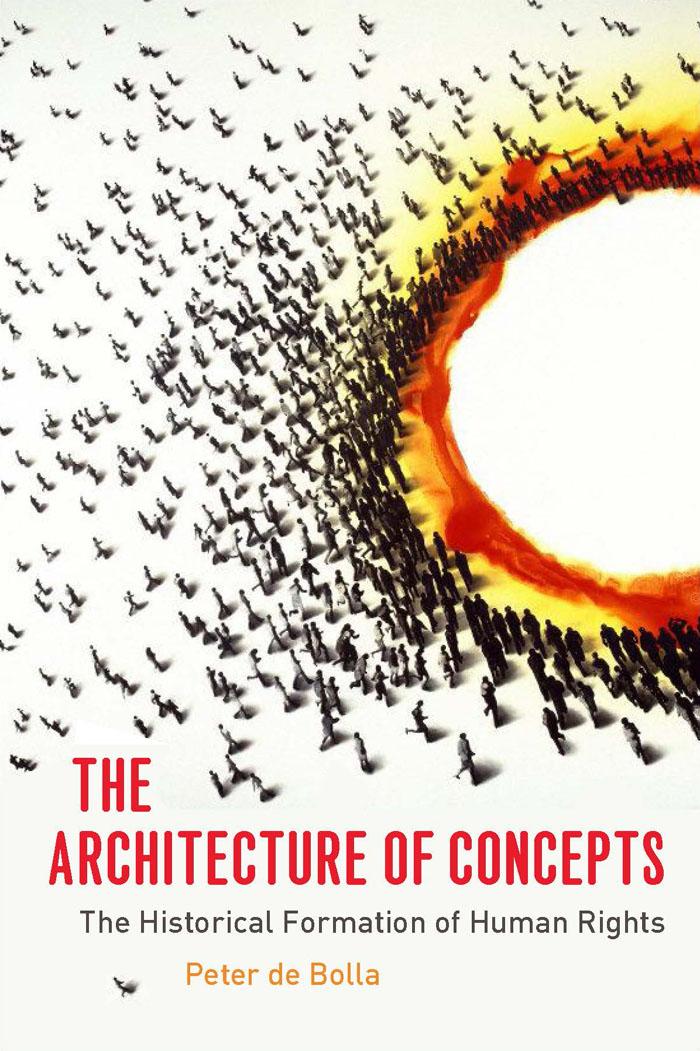
The Architecture of Concepts proposes a radically new way of understanding the history of ideas. Taking as its example human rights, it develops a distinctive kind of conceptual analysis that enables us to see with precision how the concept of human rights was formed in the eighteenth century.
The first chapter outlines an innovative account of concepts as cultural entities. The second develops an original methodology for recovering the historical formation of the concept of human rights based on data extracted from digital archives. This enables us to track the construction of conceptual architectures over time.
Having established the architecture of the concept of human rights, the book then examines two key moments in its historical formation: the First Continental Congress in 1775 and the publication of Tom Paine’s Rights of Man in 1792. Arguing that we have yet to fully understand or appreciate the consequences of the eighteenth-century invention of the concept “rights of man,” the final chapter addresses our problematic contemporary attempts to leverage human rights as the most efficacious way of achieving universal equality.
Paga fácilmente con tarjeta, Klarna, Apple Pay o Google Pay. ¿No estás contento? Siempre tienes 14 días de garantía de devolución. Lee más en nuestros términos. Si tienes preguntas, escríbenos a hello@memmo.org.
Memmo hace que estudiar sea más fácil, estés donde estés. Aquí tienes tus libros de texto y herramientas de estudio inteligentes en un solo lugar: resúmenes, quizzes, podcasts y flashcards. Y también a Ted, tu compañero de estudio que responde a todo lo que te preguntes. Más de 50 000 estudiantes ya estudian aquí. Está hecho para que aprendas más rápido y te estreses menos.