
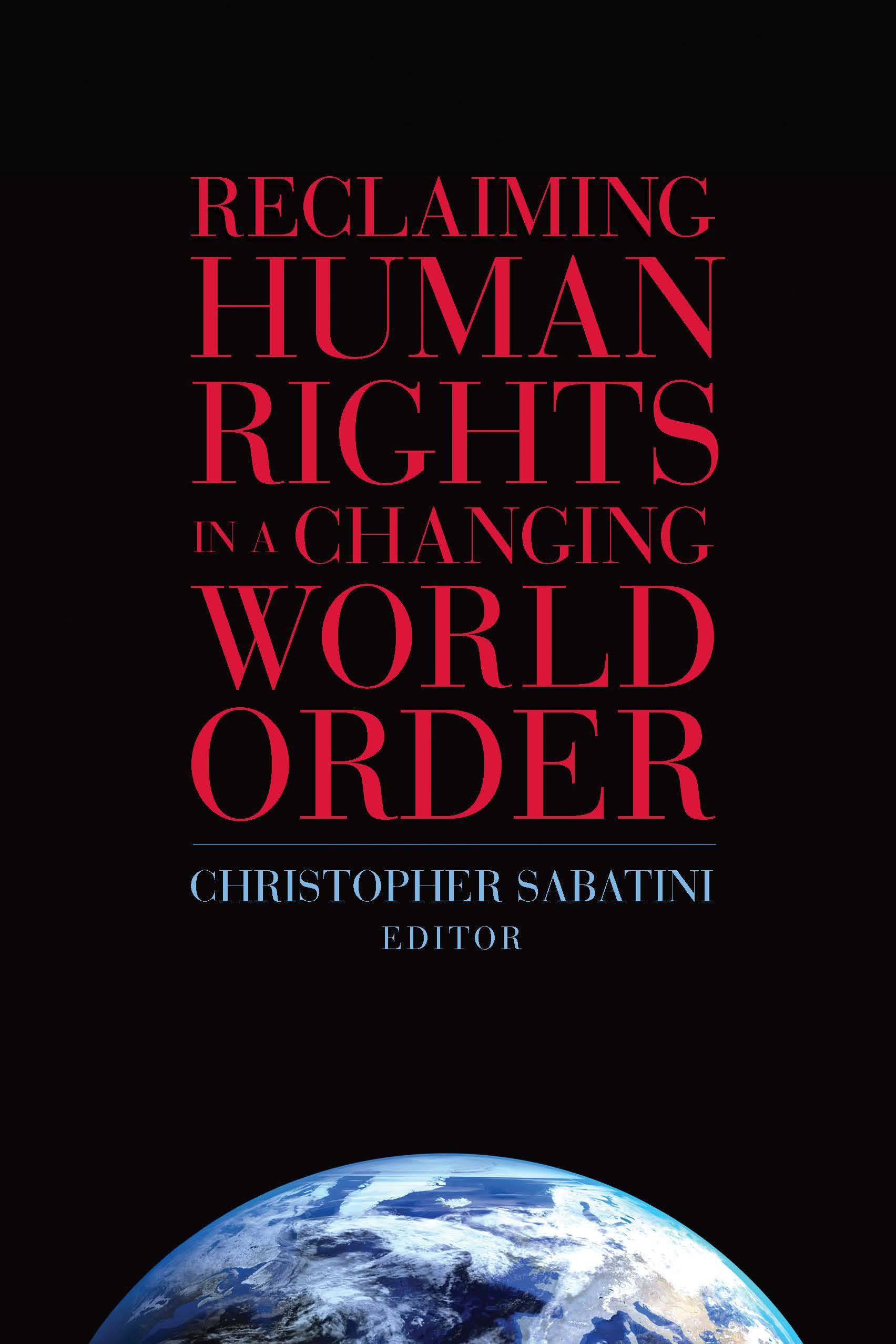
Human rights — and the international institutions that strive to protect them — are under increasing attack from powerful actors on the global stage, from recent political trends even within established democracies and from new technologies. Together, these threats have undermined what had been a fragile international consensus as recently as two decades ago about the importance of concerted international action to protect human rights and punish those who abuse them.
China, Russia, and other nondemocratic regimes have become increasingly bold in acting as if agreed-upon international human rights standards no longer exist, or at least do not apply to them. More broadly, domestic political movements based on nationalism, religion, and populism are challenging human rights norms on nearly every continent. And new technologies — including autonomous weapons systems and relentless digital surveillance — have given national leaders new ways to control or even abuse their citizens with impunity.
This book examines these new challenges to international and regional human rights in Africa, Europe, Latin America, and the Middle East. It is the result of a year of workshops with human rights activists and young leaders from around the world, with chapters written by a diverse group of leading scholars. Beyond describing the challenges to human rights, the book offers targeted, practical recommendations for national and multilateral policymakers, activists, and scholars for concrete actions to protect human rights as well as improve public understanding of why doing so is essential.
Reclaiming Human Rights in a Changing World Order will interest scholars of international relations and human rights law, domestic and international activists involved in human rights — indeed, anyone wanting to understand the implications for the liberal international order of the new geopolitical competition, modern technology, and political and social movements.
China, Russia, and other nondemocratic regimes have become increasingly bold in acting as if agreed-upon international human rights standards no longer exist, or at least do not apply to them. More broadly, domestic political movements based on nationalism, religion, and populism are challenging human rights norms on nearly every continent. And new technologies — including autonomous weapons systems and relentless digital surveillance — have given national leaders new ways to control or even abuse their citizens with impunity.
This book examines these new challenges to international and regional human rights in Africa, Europe, Latin America, and the Middle East. It is the result of a year of workshops with human rights activists and young leaders from around the world, with chapters written by a diverse group of leading scholars. Beyond describing the challenges to human rights, the book offers targeted, practical recommendations for national and multilateral policymakers, activists, and scholars for concrete actions to protect human rights as well as improve public understanding of why doing so is essential.
Reclaiming Human Rights in a Changing World Order will interest scholars of international relations and human rights law, domestic and international activists involved in human rights — indeed, anyone wanting to understand the implications for the liberal international order of the new geopolitical competition, modern technology, and political and social movements.
Paga fácilmente con tarjeta, Klarna, Apple Pay o Google Pay. ¿No estás contento? Siempre tienes 14 días de garantía de devolución. Lee más en nuestros términos. Si tienes preguntas, escríbenos a hello@memmo.org.
Memmo hace que estudiar sea más fácil, estés donde estés. Aquí tienes tus libros de texto y herramientas de estudio inteligentes en un solo lugar: resúmenes, quizzes, podcasts y flashcards. Y también a Ted, tu compañero de estudio que responde a todo lo que te preguntes. Más de 50 000 estudiantes ya estudian aquí. Está hecho para que aprendas más rápido y te estreses menos.