
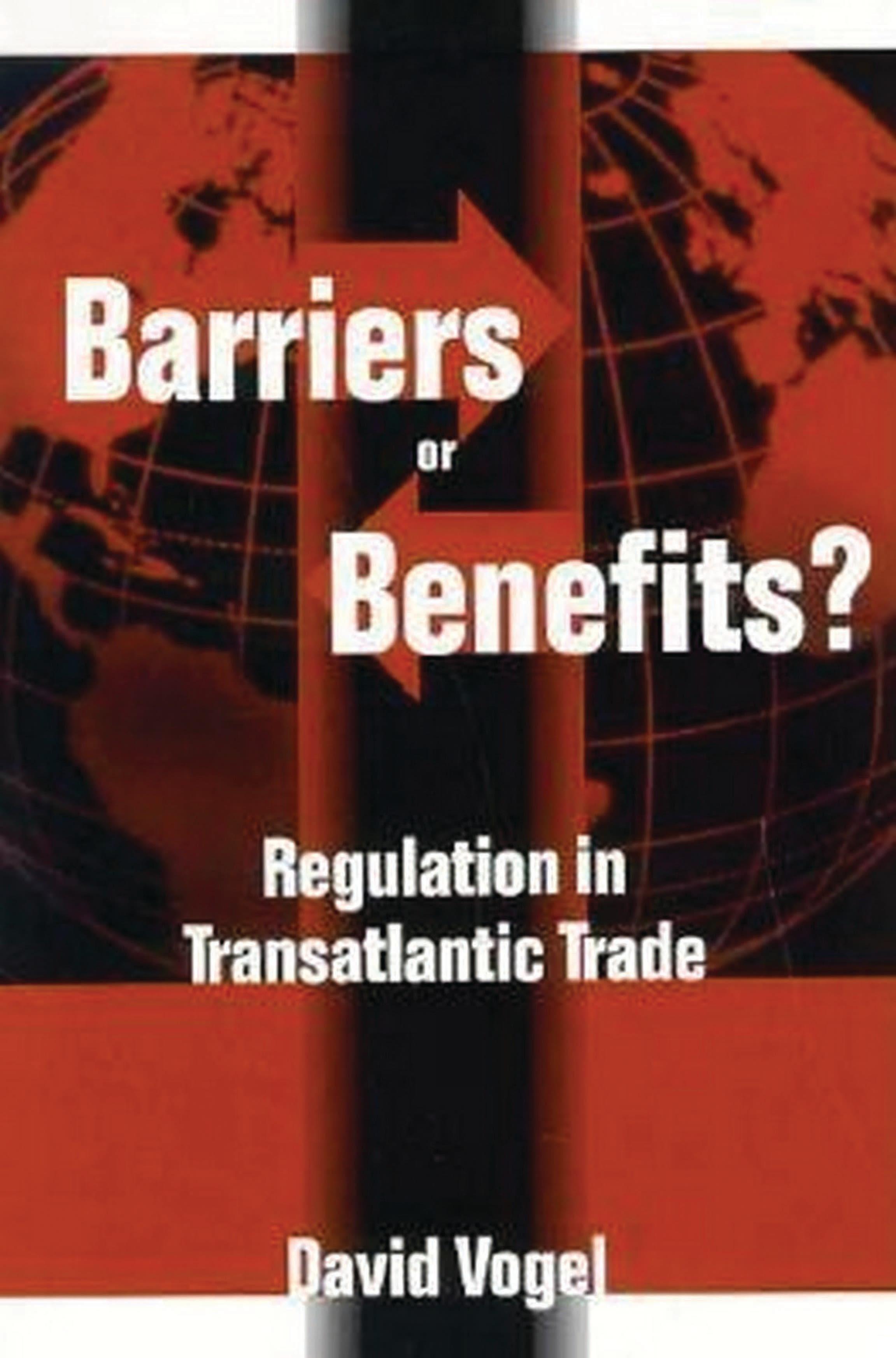
Government health, safety, and environmental standards have, in the past two decades, often created barriers to international trade. These non-tariff barriers have become the focus of trade disputes, negotiations, and agreements. This book explains the dynamics of conflict and cooperation over consumer and environmental regulation between the European Union and the United States. It explores the most celebrated cases of transatlantic conflicts over regulatory standardsthe EU's beef hormone and legtrap bans, and America's fuel economy regulationsas well as the successes of the two partners in coordinating rules for chemical and drug testing, animal inspection, and the reduction of ozone-depleting chemicals.
David Vogel argues that transatlantic regulatory conflict has less to do with protectionism and more to do with deeply rooted differences in cultural values and political priorities in Europe and the United States. These differences, he explains, constitute a fundamental and ongoing source of trade conflict between the EU and the U.S.
The pattern of EU-U.S. regulatory relations has important implications, not only for the United States and Western Europe, but for the entire global economy. Whatever regulatory standards both adopt become de facto global standards. According to Vogel, the most important challenge for the U.S. and the EU is to promote and strengthen international regulatory cooperation. Each needs to pay more attention to their common interests in promoting international trade and improving global standards than to their often heated differences over particular consumer and environmental policies.
David Vogel argues that transatlantic regulatory conflict has less to do with protectionism and more to do with deeply rooted differences in cultural values and political priorities in Europe and the United States. These differences, he explains, constitute a fundamental and ongoing source of trade conflict between the EU and the U.S.
The pattern of EU-U.S. regulatory relations has important implications, not only for the United States and Western Europe, but for the entire global economy. Whatever regulatory standards both adopt become de facto global standards. According to Vogel, the most important challenge for the U.S. and the EU is to promote and strengthen international regulatory cooperation. Each needs to pay more attention to their common interests in promoting international trade and improving global standards than to their often heated differences over particular consumer and environmental policies.
Paga fácilmente con tarjeta, Klarna, Apple Pay o Google Pay. ¿No estás contento? Siempre tienes 14 días de garantía de devolución. Lee más en nuestros términos. Si tienes preguntas, escríbenos a hello@memmo.org.
Memmo hace que estudiar sea más fácil, estés donde estés. Aquí tienes tus libros de texto y herramientas de estudio inteligentes en un solo lugar: resúmenes, quizzes, podcasts y flashcards. Y también a Ted, tu compañero de estudio que responde a todo lo que te preguntes. Más de 50 000 estudiantes ya estudian aquí. Está hecho para que aprendas más rápido y te estreses menos.