
Unraveling the surprising history of the concept of ecology
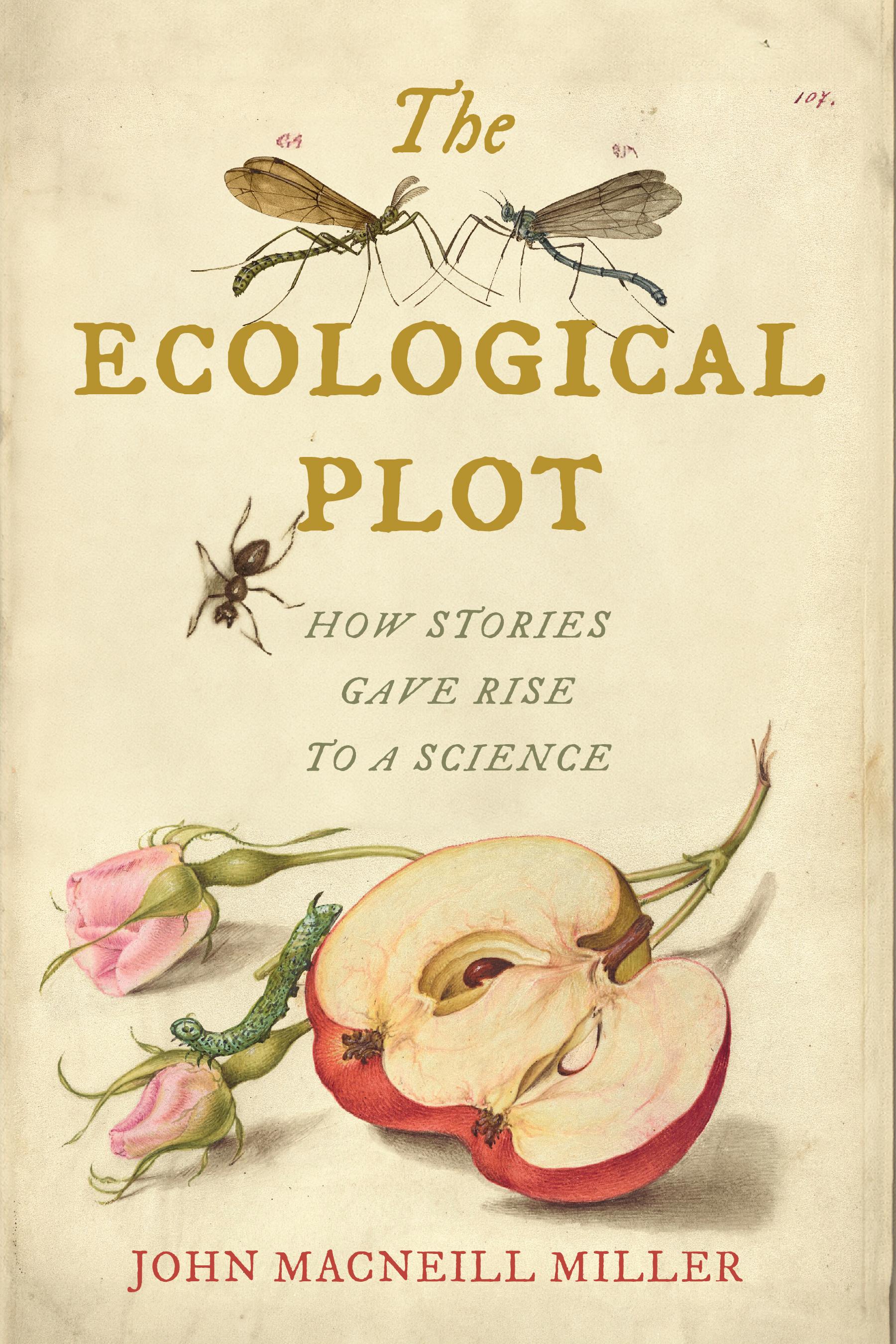
The Ecological Plot traces the roots of this most mainstream branch of science back to an unexpected source: narrative storytelling. Weaving together the histories of different disciplines, John MacNeill Miller shows how pioneering thinkers drew on a shared set of literary techniques to imagine how different species could work together as a single, interdependent community, redefining the way we conceptualize the natural world.
Beginning with a series of revolutionary exchanges between the political economist Thomas Robert Malthus, the writer Harriet Martineau, and the naturalist Charles Darwin, The Ecological Plot identifies the foundations of modern notions of ecology, economics, and realist fiction, maps how they evolved through the works of Victorian writers such as Elizabeth Gaskell, George Eliot, and Thomas Hardy, and shows how they resurfaced in the works of Aldo Leopold and Rachel Carson a century later.
Miller’s book reveals why our most sophisticated efforts to explain humanity’s relationship to nature have been segregated into different disciplines and makes an argument for the importance of bringing these separate ways of understanding the world back together as a crucial step toward solving the environmental, economic, and ethical problems of the present.
The Ecological Plot traces the roots of this most mainstream branch of science back to an unexpected source: narrative storytelling. Weaving together the histories of different disciplines, John MacNeill Miller shows how pioneering thinkers drew on a shared set of literary techniques to imagine how different species could work together as a single, interdependent community, redefining the way we conceptualize the natural world.
Beginning with a series of revolutionary exchanges between the political economist Thomas Robert Malthus, the writer Harriet Martineau, and the naturalist Charles Darwin, The Ecological Plot identifies the foundations of modern notions of ecology, economics, and realist fiction, maps how they evolved through the works of Victorian writers such as Elizabeth Gaskell, George Eliot, and Thomas Hardy, and shows how they resurfaced in the works of Aldo Leopold and Rachel Carson a century later.
Miller’s book reveals why our most sophisticated efforts to explain humanity’s relationship to nature have been segregated into different disciplines and makes an argument for the importance of bringing these separate ways of understanding the world back together as a crucial step toward solving the environmental, economic, and ethical problems of the present.
Páginas: 228
Categoría: Vetenskapsteori och forskningsmetod
e-ISBN: 9780813951799
Peso de envío: 1.2 kg
Envío en: 1-2 días
Paga fácilmente con tarjeta, Klarna, Apple Pay o Google Pay. ¿No estás contento? Siempre tienes 14 días de garantía de devolución. Lee más en nuestros términos. Si tienes preguntas, escríbenos a hello@memmo.org.
Memmo hace que estudiar sea más fácil, estés donde estés. Aquí tienes tus libros de texto y herramientas de estudio inteligentes en un solo lugar: resúmenes, quizzes, podcasts y flashcards. Y también a Ted, tu compañero de estudio que responde a todo lo que te preguntes. Más de 50 000 estudiantes ya estudian aquí. Está hecho para que aprendas más rápido y te estreses menos.
También te podría gustar
Comprar el libro0