
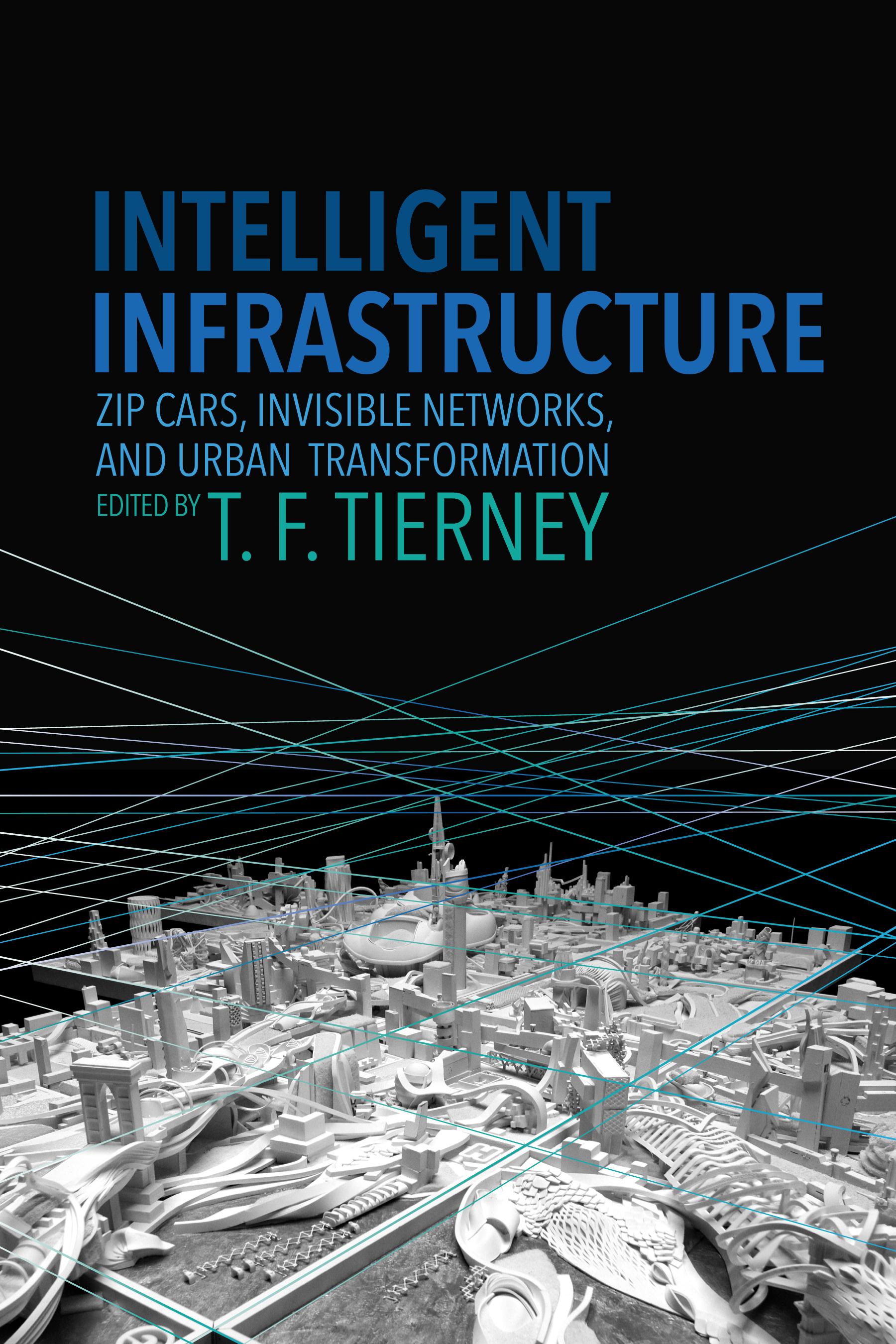
While many of its traditional elements, such as roads and utilities, do not change, urban infrastructure is undergoing a fascinating and necessary transformation in the wake of new information and communication technologies. This volume brings together many of the most important new voices in the fields impacting modern urban infrastructure to explore this revolutionary change in the city.
Increasingly, it is connective systems rather than built forms that bind a city together. Intelligent infrastructure confers upon a city previously unimagined levels of adaptability, with mobile telephony serving to organize people and events on the move and in real time. Beginning with a consideration of invisible networks—the sociohistorical systems that contribute to and constitute urbanity—the essays collected here examine a variety of actual tools, from handheld devices to autonomous vehicles, within a fully networked built environment: the smart city.
This book argues that knowledge of both the visible and invisible components--information, energy, sustainability, transportation, housing, and social practices--are critical to understanding the urban environment. The dynamic and diverse cast of contributors includes Mitchell Schwarzer, Frederic Stout, Anthony Townsend, Carlo Ratti of the MIT SENSEable City Lab, Mitchell Joachim of Terreform ONE, and many other innovators who are changing the urban landscape.
Paga fácilmente con tarjeta, Klarna, Apple Pay o Google Pay. ¿No estás contento? Siempre tienes 14 días de garantía de devolución. Lee más en nuestros términos. Si tienes preguntas, escríbenos a hello@memmo.org.
Memmo hace que estudiar sea más fácil, estés donde estés. Aquí tienes tus libros de texto y herramientas de estudio inteligentes en un solo lugar: resúmenes, quizzes, podcasts y flashcards. Y también a Ted, tu compañero de estudio que responde a todo lo que te preguntes. Más de 50 000 estudiantes ya estudian aquí. Está hecho para que aprendas más rápido y te estreses menos.