
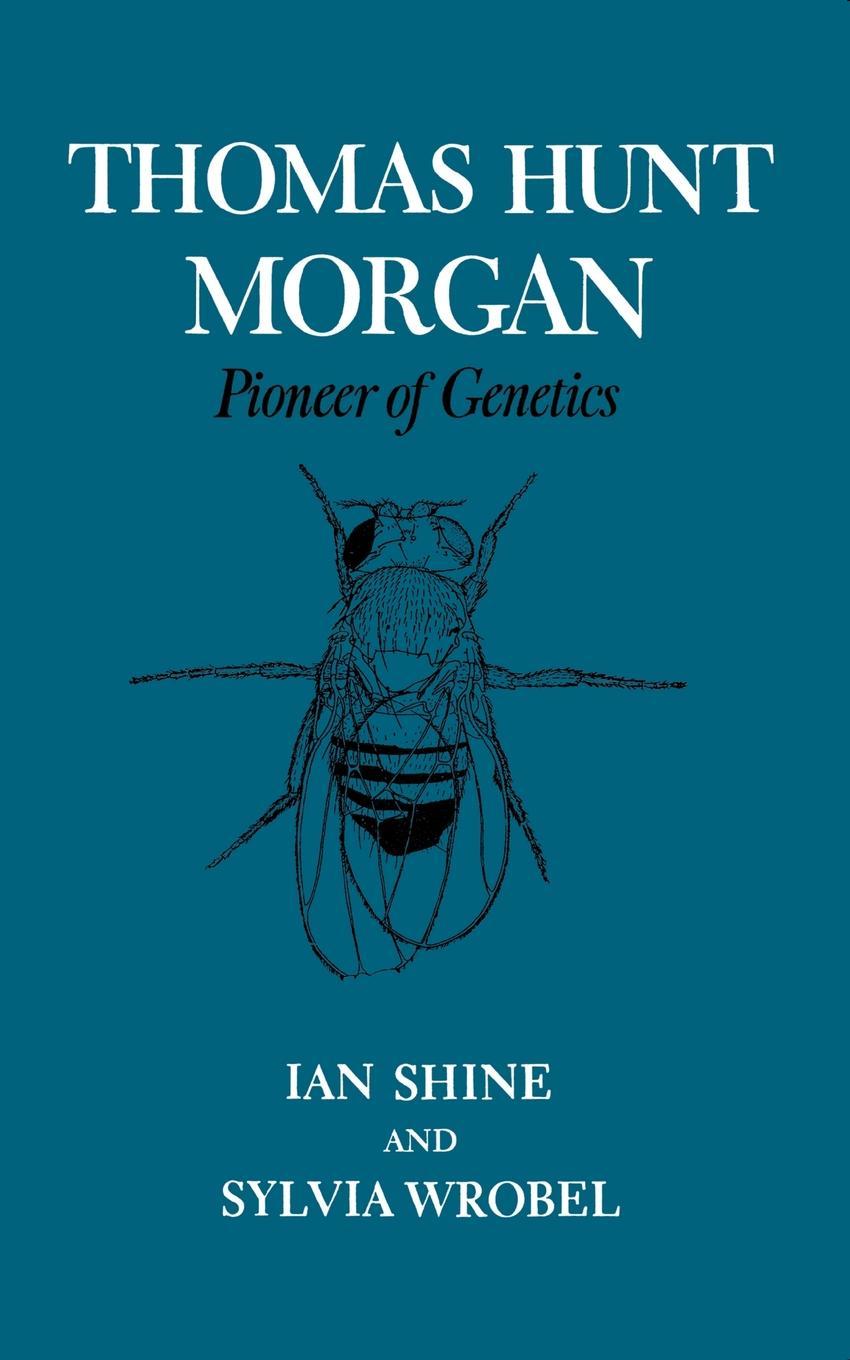
For most of his fellow Kentuckians, the accomplishments of Thomas Hunt Morgan have been overshadowed by the Civil War exploits of his uncle, the Confederate raider. Thomas Hunt Morgan: Pioneer of Genetics shows that feats performed on the frontiers of science can be as exciting as battlefield heroics, and that the "other Morgan" was as colorful a man as the general.
Thomas Hunt Morgan's most noted work, done between 1910 and 1920 at Columbia University, revealed many of the secrets if genetics. Studying hundreds of generations of the fruit fly Drosophilia melanogaster, he and the other scientists in the laboratory called the Fly Room made basic discoveries about chromosomes and the mechanism of inheritance. For these discoveries, which profoundly affected biological theory, Morgan was awarded a Nobel Prize—the first ever given for research in genetics.
Morgan was interested in many other problems in biology as well. His embryological and regeneration studies were of fundamental importance, and they too bear the mark of a scientist convinced that nature herself will provide answers to the fundamental questions of life, provided that a suitable experimental approach can be devised. Yet, despite his deep-rooted connections to Kentucky and his achievements as a Nobel prize-winning scientist, Thomas Hunt Morgan remains one of the least-known famous Kentucky sons.
Paga fácilmente con tarjeta, Klarna, Apple Pay o Google Pay. ¿No estás contento? Siempre tienes 14 días de garantía de devolución. Lee más en nuestros términos. Si tienes preguntas, escríbenos a hello@memmo.org.
Memmo hace que estudiar sea más fácil, estés donde estés. Aquí tienes tus libros de texto y herramientas de estudio inteligentes en un solo lugar: resúmenes, quizzes, podcasts y flashcards. Y también a Ted, tu compañero de estudio que responde a todo lo que te preguntes. Más de 50 000 estudiantes ya estudian aquí. Está hecho para que aprendas más rápido y te estreses menos.