
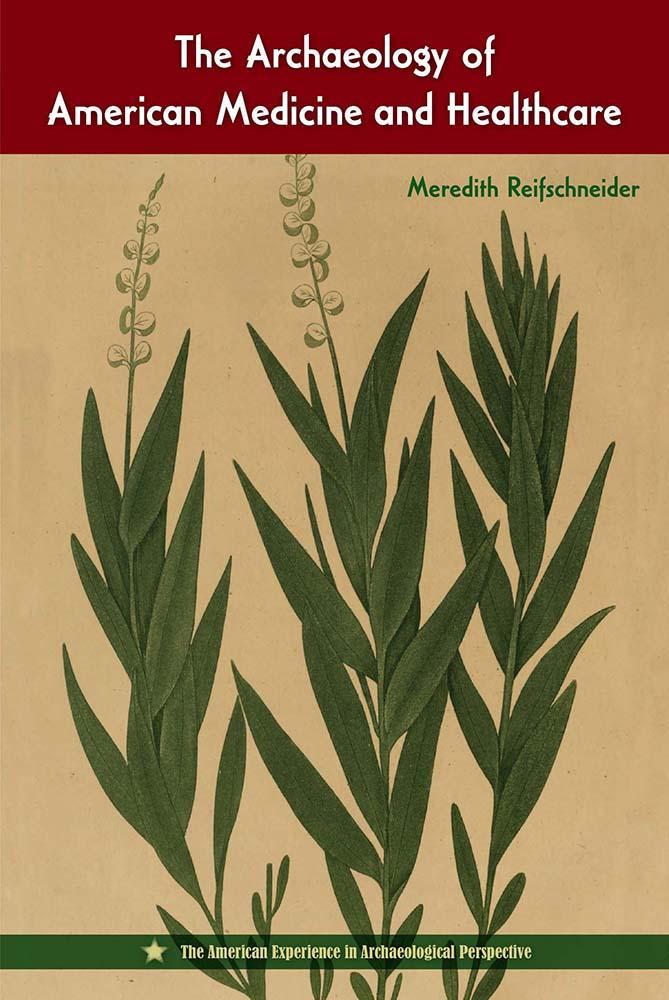
Examining the dynamic histories of medical practice in the United States through the lens of historical archaeology
In this book, Meredith Reifschneider synthesizes archaeological research on healthcare and medicine to show how practices in the United States have evolved since the nineteenth century. Tracing the areas of medical science and healthcare professionalization, alternative medicine, healthcare consumerism, and public health reform, Reifschneider shows how historical archaeology—which draws on information from the material record, archival sources, historical documents, and ethnographic research—can provide important insights into healthcare and modes of self-care in the past.
Reifschneider analyzes archaeological evidence uncovered from sites such as house deposits, middens, latrines, and hospital waste pits that demonstrates how official healthcare policies were implemented in daily life, revealing a diversity of therapeutic practices connected to social identities. The book includes a case study of the US Army’s hygiene and healthcare practices at the Presidio of San Francisco, showing how soldiers engaged in practices mandated by the government while also using alternative therapies for self-care.
Throughout the book, Reifschneider highlights structural health inequalities in the past and how the effects of previous exclusionary policies continue to manifest in the present day. By examining healthcare and medicine through the lens of archaeology, this book demonstrates the dynamic and often unexpected histories of medical practice, pointing to the ways Americans’ experiences today reflect these historical dynamics.
Paga fácilmente con tarjeta, Klarna, Apple Pay o Google Pay. ¿No estás contento? Siempre tienes 14 días de garantía de devolución. Lee más en nuestros términos. Si tienes preguntas, escríbenos a hello@memmo.org.
Memmo hace que estudiar sea más fácil, estés donde estés. Aquí tienes tus libros de texto y herramientas de estudio inteligentes en un solo lugar: resúmenes, quizzes, podcasts y flashcards. Y también a Ted, tu compañero de estudio que responde a todo lo que te preguntes. Más de 50 000 estudiantes ya estudian aquí. Está hecho para que aprendas más rápido y te estreses menos.