
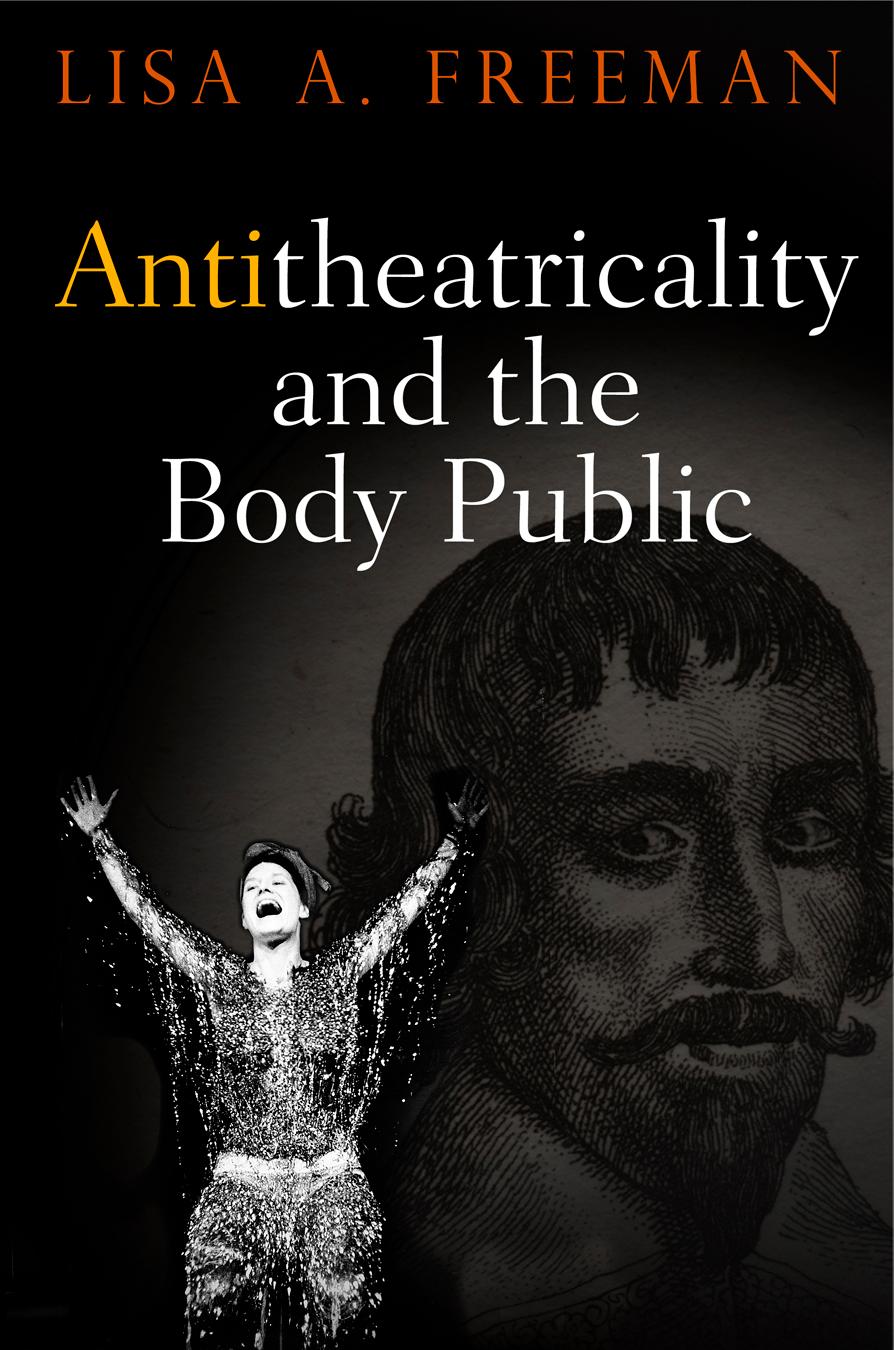
Situating the theater as a site of broad cultural movements and conflicts, Lisa A. Freeman asserts that antitheatrical incidents from the English Renaissance to present-day America provide us with occasions to trace major struggles over the nature and balance of power and political authority. In studies of William Prynne's Histrio-mastix (1633), Jeremy Collier's A Short View of the Immorality and Profaneness of the English Stage (1698), John Home's Douglas (1757), the burning of the theater at Richmond (1811), and the U.S. Supreme Court's decision in National Endowment for the Arts v. Finley (1998) Freeman engages in a careful examination of the political, religious, philosophical, literary, and dramatic contexts in which challenges to theatricality unfold. In so doing, she demonstrates that however differently "the public" might be defined in each epoch, what lies at the heart of antitheatrical disputes is a struggle over the character of the body politic that governs a nation and the bodies public that could be said to represent that nation.
By situating antitheatrical incidents as rich and interpretable cultural performances, Freeman seeks to account fully for the significance of these particular historical conflicts. She delineates when, why, and how anxieties about representation manifest themselves, and traces the actual politics that govern such ostensibly aesthetic and moral debates even today.
Paga fácilmente con tarjeta, Klarna, Apple Pay o Google Pay. ¿No estás contento? Siempre tienes 14 días de garantía de devolución. Lee más en nuestros términos. Si tienes preguntas, escríbenos a hello@memmo.org.
Memmo hace que estudiar sea más fácil, estés donde estés. Aquí tienes tus libros de texto y herramientas de estudio inteligentes en un solo lugar: resúmenes, quizzes, podcasts y flashcards. Y también a Ted, tu compañero de estudio que responde a todo lo que te preguntes. Más de 50 000 estudiantes ya estudian aquí. Está hecho para que aprendas más rápido y te estreses menos.