
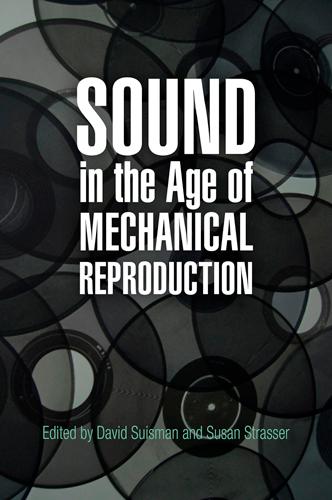
During the twentieth century sound underwent a dramatic transformation as new technologies and social practices challenged conventional aural experience. As a result, sound functioned as a means to exert social, cultural, and political power in unprecedented and unexpected ways. The fleeting nature of sound has long made it a difficult topic for historical study, but innovative scholars have recently begun to analyze the sonic traces of the past using innovative approaches. Sound in the Age of Mechanical Reproduction investigates sound as part of the social construction of historical experience and as an element of the sensory relationship people have to the world, showing how hearing and listening can inform people's feelings, ideas, decisions, and actions.
The essays in Sound in the Age of Mechanical Reproduction uncover the varying dimensions of sound in twentieth-century history. Together they connect a host of disparate concerns, from issues of gender and technology to contests over intellectual property and government regulation. Topics covered range from debates over listening practices and good citizenship in the 1930s, to Tokyo Rose and Axis radio propaganda during World War II, to CB-radio culture on the freeways of Los Angeles in the 1970s. These and other studies reveal the contingent nature of aural experience and demonstrate how a better grasp of the culture of sound can enhance our understanding of the past.
Paga fácilmente con tarjeta, Klarna, Apple Pay o Google Pay. ¿No estás contento? Siempre tienes 14 días de garantía de devolución. Lee más en nuestros términos. Si tienes preguntas, escríbenos a hello@memmo.org.
Memmo hace que estudiar sea más fácil, estés donde estés. Aquí tienes tus libros de texto y herramientas de estudio inteligentes en un solo lugar: resúmenes, quizzes, podcasts y flashcards. Y también a Ted, tu compañero de estudio que responde a todo lo que te preguntes. Más de 50 000 estudiantes ya estudian aquí. Está hecho para que aprendas más rápido y te estreses menos.