
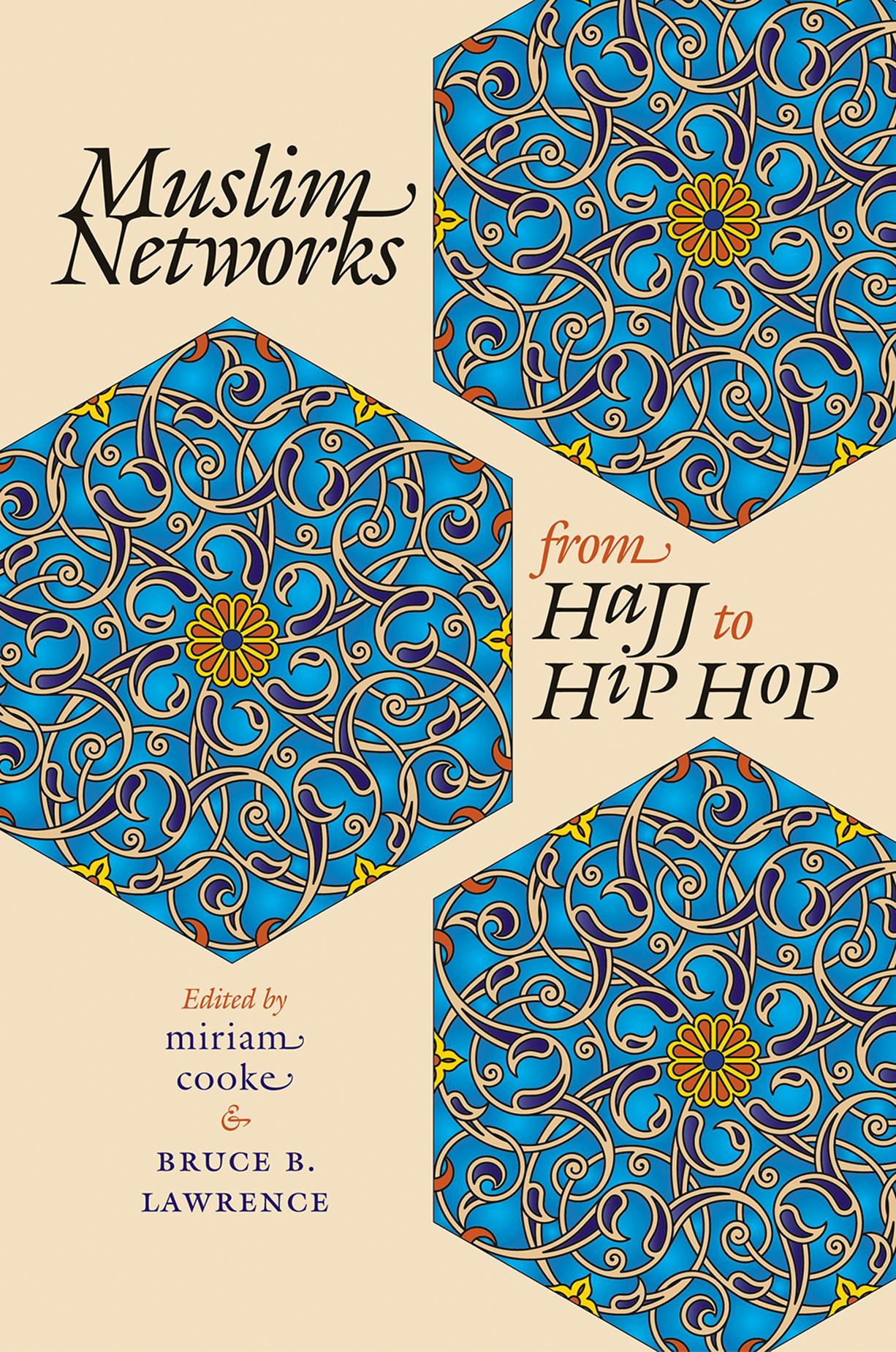
Crucial to understanding Islam is a recognition of the role of Muslim networks. The earliest networks were Mediterranean trade routes that quickly expanded into transregional paths for pilgrimage, scholarship, and conversion, each network complementing and reinforcing the others. This volume selects major moments and key players from the seventh century to the twenty-first that have defined Muslim networks as the building blocks for Islamic identity and social cohesion.
Although neglected in scholarship, Muslim networks have been invoked in the media to portray post-9/11 terrorist groups. Here, thirteen essays provide a long view of Muslim networks, correcting both scholarly omission and political sloganeering. New faces and forces appear, raising questions never before asked. What does the fourteenth-century North African traveler Ibn Battuta have in common with the American hip hopper Mos Def? What values and practices link Muslim women meeting in Cairo, Amsterdam, and Atlanta? How has technology raised expectations about new transnational pathways that will reshape the perception of faith, politics, and gender in Islamic civilization?
This book invokes the past not only to understand the present but also to reimagine the future through the prism of Muslim networks, at once the shadow and the lifeline for the umma, or global Muslim community.
Contributors:
H. Samy Alim, Duke University
Jon W. Anderson, Catholic University of America
Taieb Belghazi, Mohammed V University, Rabat, Morocco
Gary Bunt, University of Wales, Lampeter
miriam cooke, Duke University
Vincent J. Cornell, University of Arkansas
Carl W. Ernst, University of North Carolina at Chapel Hill
Judith Ernst, Chapel Hill, North Carolina
David Gilmartin, North Carolina State University
Jamillah Karim, Spelman College
Charles Kurzman, University of North Carolina at Chapel Hill
Bruce B. Lawrence, Duke University
Samia Serageldin, Chapel Hill, North Carolina
Tayba Hassan Al Khalifa Sharif, United Nations High Commission for Refugees, Egypt
Quintan Wiktorowicz, Rhodes College
Muhammad Qasim Zaman, Brown University
Although neglected in scholarship, Muslim networks have been invoked in the media to portray post-9/11 terrorist groups. Here, thirteen essays provide a long view of Muslim networks, correcting both scholarly omission and political sloganeering. New faces and forces appear, raising questions never before asked. What does the fourteenth-century North African traveler Ibn Battuta have in common with the American hip hopper Mos Def? What values and practices link Muslim women meeting in Cairo, Amsterdam, and Atlanta? How has technology raised expectations about new transnational pathways that will reshape the perception of faith, politics, and gender in Islamic civilization?
This book invokes the past not only to understand the present but also to reimagine the future through the prism of Muslim networks, at once the shadow and the lifeline for the umma, or global Muslim community.
Contributors:
H. Samy Alim, Duke University
Jon W. Anderson, Catholic University of America
Taieb Belghazi, Mohammed V University, Rabat, Morocco
Gary Bunt, University of Wales, Lampeter
miriam cooke, Duke University
Vincent J. Cornell, University of Arkansas
Carl W. Ernst, University of North Carolina at Chapel Hill
Judith Ernst, Chapel Hill, North Carolina
David Gilmartin, North Carolina State University
Jamillah Karim, Spelman College
Charles Kurzman, University of North Carolina at Chapel Hill
Bruce B. Lawrence, Duke University
Samia Serageldin, Chapel Hill, North Carolina
Tayba Hassan Al Khalifa Sharif, United Nations High Commission for Refugees, Egypt
Quintan Wiktorowicz, Rhodes College
Muhammad Qasim Zaman, Brown University
Paga fácilmente con tarjeta, Klarna, Apple Pay o Google Pay. ¿No estás contento? Siempre tienes 14 días de garantía de devolución. Lee más en nuestros términos. Si tienes preguntas, escríbenos a hello@memmo.org.
Memmo hace que estudiar sea más fácil, estés donde estés. Aquí tienes tus libros de texto y herramientas de estudio inteligentes en un solo lugar: resúmenes, quizzes, podcasts y flashcards. Y también a Ted, tu compañero de estudio que responde a todo lo que te preguntes. Más de 50 000 estudiantes ya estudian aquí. Está hecho para que aprendas más rápido y te estreses menos.
También te podría gustar
Comprar el libro0