
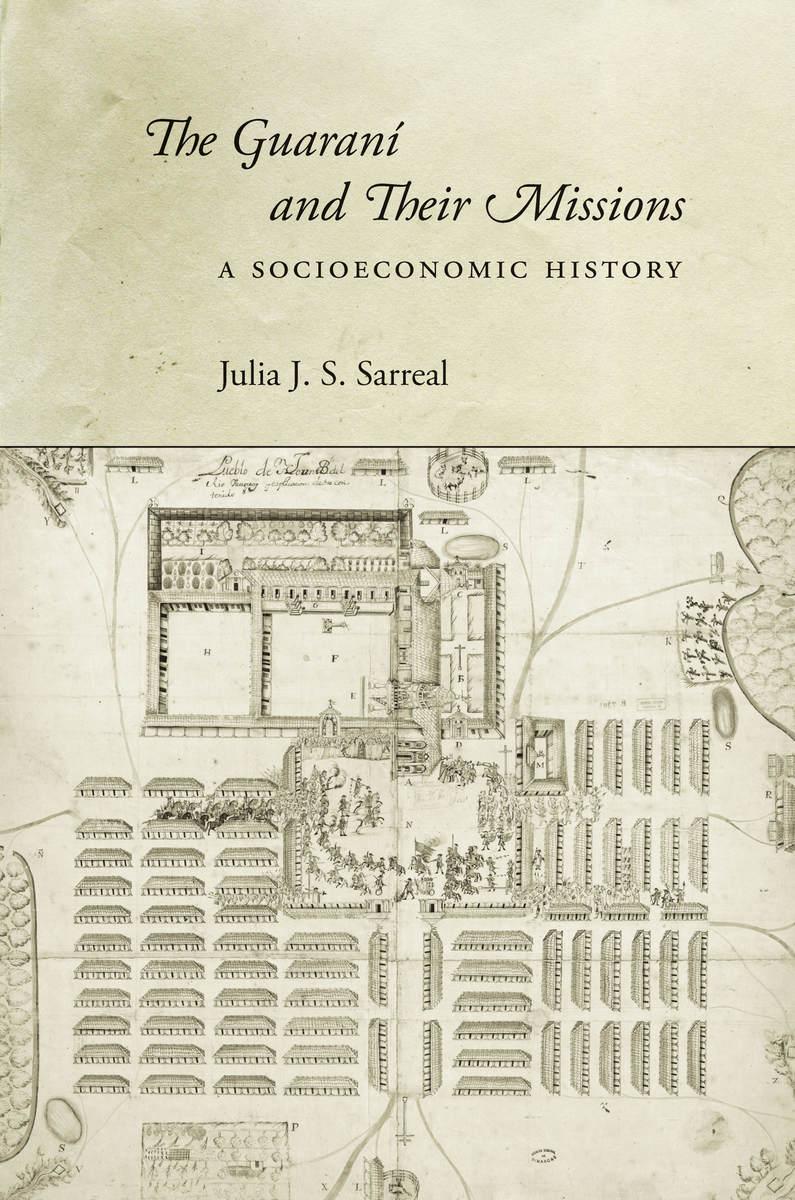
The thirty Guaraní missions of the Río de la Plata were the largest and most prosperous of all the Catholic missions established throughout the frontier regions of the Americas to convert, acculturate, and incorporate indigenous peoples and their lands into the Spanish and Portuguese empires. But between 1768 and 1800, the mission population fell by almost half and the economy became insolvent. This unique socioeconomic history provides a coherent and comprehensive explanation for the missions' operation and decline, providing readers with an understanding of the material changes experienced by the Guaraní in their day-to-day lives.
Although the mission economy funded operations, sustained the population, and influenced daily routines, scholars have not focused on this important aspect of Guaraní history, primarily producing studies of religious and cultural change. This book employs mission account books, letters, and other archival materials to trace the Guaraní mission work regime and to examine how the Guaraní shaped the mission economy. These materials enable the author to poke holes in longheld beliefs about Jesuit mission management and offer original arguments regarding the Bourbon reforms that ultimately made the missions unsustainable.
Paga fácilmente con tarjeta, Klarna, Apple Pay o Google Pay. ¿No estás contento? Siempre tienes 14 días de garantía de devolución. Lee más en nuestros términos. Si tienes preguntas, escríbenos a hello@memmo.org.
Memmo hace que estudiar sea más fácil, estés donde estés. Aquí tienes tus libros de texto y herramientas de estudio inteligentes en un solo lugar: resúmenes, quizzes, podcasts y flashcards. Y también a Ted, tu compañero de estudio que responde a todo lo que te preguntes. Más de 50 000 estudiantes ya estudian aquí. Está hecho para que aprendas más rápido y te estreses menos.