
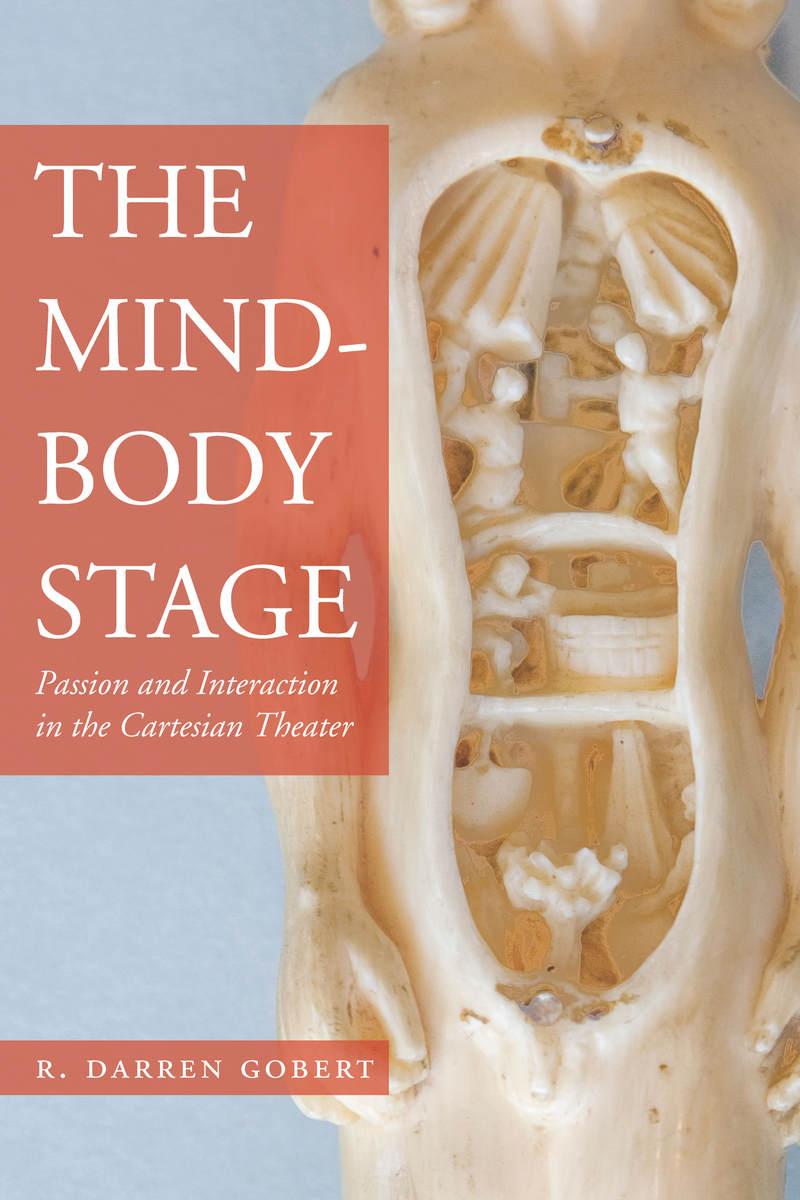
Descartes's notion of subjectivity changed the way characters would be written, performed by actors, and received by audiences. His coordinate system reshaped how theatrical space would be conceived and built. His theory of the passions revolutionized our understanding of the emotional exchange between spectacle and spectators. Yet theater scholars have not seen Descartes's transformational impact on theater history. Nor have philosophers looked to this history to understand his reception and impact. After Descartes, playwrights put Cartesian characters on the stage and thematized their rational workings. Actors adapted their performances to account for new models of subjectivity and physiology. Critics theorized the theater's emotional and ethical benefits in Cartesian terms. Architects fostered these benefits by altering their designs.
The Mind-Body Stage provides a dazzlingly original picture of one of the most consequential and confusing periods in the histories of modern theater and philosophy. Interdisciplinary and comparatist in scope, it uses methodological techniques from literary study, philosophy, theater history, and performance studies and draws on scores of documents (including letters, libretti, religious jeremiads, aesthetic treatises, and architectural plans) from several countries.
Paga fácilmente con tarjeta, Klarna, Apple Pay o Google Pay. ¿No estás contento? Siempre tienes 14 días de garantía de devolución. Lee más en nuestros términos. Si tienes preguntas, escríbenos a hello@memmo.org.
Memmo hace que estudiar sea más fácil, estés donde estés. Aquí tienes tus libros de texto y herramientas de estudio inteligentes en un solo lugar: resúmenes, quizzes, podcasts y flashcards. Y también a Ted, tu compañero de estudio que responde a todo lo que te preguntes. Más de 50 000 estudiantes ya estudian aquí. Está hecho para que aprendas más rápido y te estreses menos.